
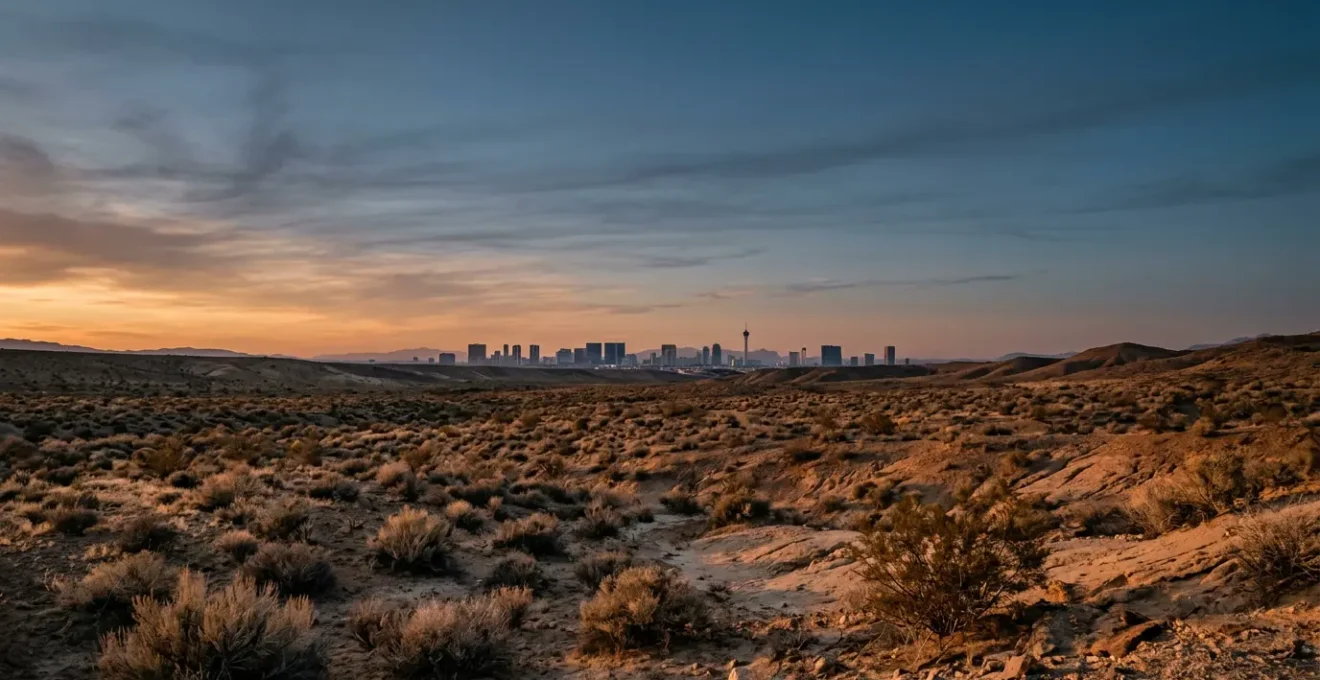
The common perception of Nevada as merely a playground for vice is a profound misunderstanding. The state’s true identity is not defined by its casinos, but by a powerful ethos of defiant individualism forged from harsh economic necessity. This « Battle Born » spirit explains everything from its permissive laws to its embrace of atomic spectacle, revealing a culture of relentless reinvention that consistently turns survival into a statement.
To many, Nevada is a caricature—a vast, empty desert punctuated by the singular, glittering anomaly of Las Vegas. The story of the state is often reduced to a highlight reel of mobsters, showgirls, and all-night casinos. This narrative, while entertaining, misses the profound and complex soul of the Silver State. To truly understand Nevada, one must look beyond the neon glow and ask a more fundamental question: what forces shaped this unique cultural landscape? The answer has little to do with glamour and everything to do with survival.
The state’s identity is rooted in a history of boom-and-bust cycles that demanded a pragmatic, often radical, approach to governance and society. This isn’t just a state that tolerates vice; it’s a state that historically monetized it out of sheer necessity. This spirit of « live and let live » is not an accident of culture but its very foundation, born in the sparsely populated frontier of the 19th century and evolving to embrace everything from quick divorces to the atomic bomb as a tourist attraction. This is the core of Nevada’s contrarian spirit, an identity forged in the crucible of the American West.
This exploration will peel back the layers of misconception. We will journey from the foundational principles of its libertarian ethos to the strange spectacle of atomic tourism. We will contrast the souls of its two great cities, uncover the often-ignored Indigenous history that thrives today, and discover how to celebrate its independent spirit like a local. Finally, we’ll examine the architecture and cultural moments that defined its image, and venture into the stark beauty of the Mojave that underpins it all, revealing a Nevada far more fascinating than its stereotypes suggest.
To guide you through this complex identity, this article explores the key pillars that define the real « Battle Born » state. The following sections delve into the history, culture, and places that tell the true story of Nevada.
Summary: The Real Story of the Battle Born State
- Why « Live and Let Live » is the Unspoken Rule of Nevada Culture?
- How to Visit the National Atomic Testing Museum to Understand the 1950s?
- Reno vs. Las Vegas: Which City Holds the True Soul of the State?
- The Mistake of Ignoring the Indigenous History of the Paiute Tribe
- When to Visit to Celebrate Nevada Day Like a Local?
- Googie Architecture vs. Modern Glass: Which Defines the Real Vegas?
- The « Summit » at the Sands: Why That Moment Changed Vegas Forever?
- Mojave Desert: How to Explore the Raw Wilderness Responsibly?
Why « Live and Let Live » is the Unspoken Rule of Nevada Culture?
The core of Nevada’s identity is a fierce, almost stubborn libertarianism. But this « live and let live » philosophy isn’t an abstract political ideal; it was a pragmatic survival strategy. After the Comstock Lode’s silver boom faded in the late 19th century, Nevada faced an existential crisis. The state’s population plummeted, and by 1890, it was a ghost of its former self. In fact, Nevada was the lowest populated state in the union, with a population smaller than a sellout crowd at Fenway Park. Lawmakers understood that to attract and retain people, they couldn’t afford to be morally selective. They needed to create an economy from whatever they could.
This led to the legalization of what other states deemed « frontier vices. » Wide-open gambling was legalized in 1931, not as a celebration of risk, but as a desperate economic measure during the Great Depression. Around the same time, Nevada dramatically shortened its residency requirement for divorce to a mere six weeks, turning cities like Reno into the « Divorce Capital of the World. » It was a masterclass in monetizing human desires that were stigmatized elsewhere. This wasn’t about promoting vice; it was about ensuring the state’s survival.
As historian Eugene Moehring notes in the PBS documentary « Las Vegas: An Unconventional History »:
In order to keep people here, and keep the economy going, none of the towns really abolished their frontier vices immediately.
– Eugene Moehring, PBS American Experience
This historical context is crucial. The state’s permissive culture is not a sign of moral laxity but of economic realism. It created a unique environment where individualism could flourish because the state’s primary concern was economic viability, not social engineering. This foundation of defiant pragmatism still echoes in Nevada’s culture today.
How to Visit the National Atomic Testing Museum to Understand the 1950s?
Nothing captures Nevada’s unique ability to turn the terrifying into a spectacle quite like its relationship with the atomic age. From 1951 onwards, the desolate landscape north of Las Vegas became the nation’s primary nuclear proving ground. The National Atomic Testing Museum in Las Vegas is the essential starting point for understanding this surreal chapter of American history. It provides a sobering look at the science and geopolitics of the Cold War, but the real story of Nevada lies in how the culture absorbed this reality.
The scale of the program was immense; official records from the Atomic Heritage Foundation state that 928 nuclear tests were conducted at the Nevada Test Site. Instead of causing panic, the Las Vegas Chamber of Commerce astutely branded the mushroom clouds as a tourist attraction. This gave birth to the phenomenon of « atomic tourism, » a concept that feels utterly bizarre today but was central to the 1950s Vegas identity.
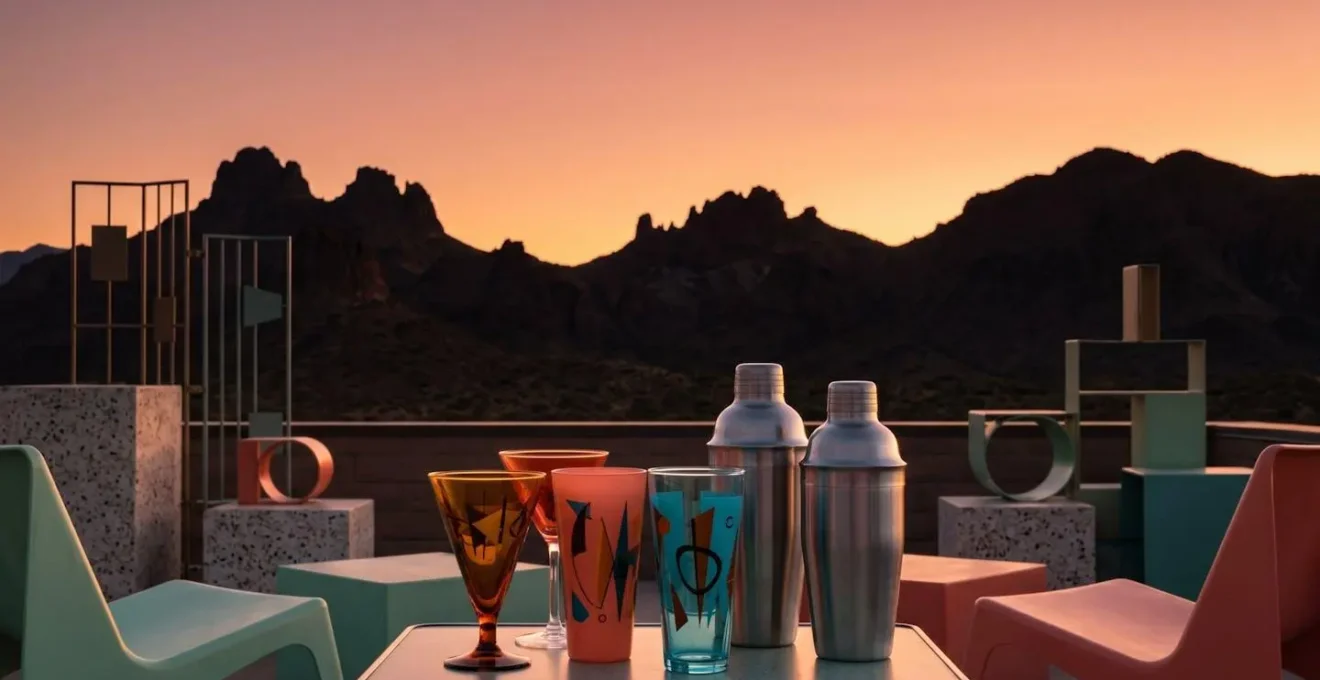
As the visual above evokes, this era was a strange cocktail of anxiety and glamour. The spectacle became an integral part of the city’s allure, cementing its reputation as a place where anything, even the apocalypse, could be entertainment. This mindset is key to understanding the state’s psyche, where risk and reward are always intertwined.
Case Study: Dawn Bomb Parties
Just days after the first atmospheric test in 1951, Las Vegas was already marketing the atomic spectacle. Hotels and casinos quickly organized « Dawn Bomb Parties, » where guests would gather on rooftop terraces before sunrise, sipping « atomic cocktails » and waiting for the flash on the horizon. The Chamber of Commerce even distributed calendars of scheduled detonations so tourists could plan their trips accordingly. This macabre but brilliant marketing transformed a terrifying symbol of the Cold War into a must-see event, perfectly illustrating how Las Vegas could commodify any experience.
Reno vs. Las Vegas: Which City Holds the True Soul of the State?
The debate over which city truly represents Nevada is a passionate one. Las Vegas, the global icon of entertainment and excess, often overshadows its northern counterpart. But to suggest Vegas is the only soul of the state is to ignore the deep, resilient spirit embodied by Reno, « The Biggest Little City in the World. » While Vegas doubles down on tourism and spectacle, Reno has been quietly forging a new identity rooted in technology and economic diversification, making it a powerful symbol of Nevada’s capacity for reinvention.
Historically, Reno was the state’s pioneer of the « vice » economy, openly advertising itself as the « Divorce Capital of the World » after 1931. Today, that legacy has been supplanted by a robust tech and logistics boom. Following the Great Recession, which hit tourism-dependent Las Vegas especially hard, northern Nevada pivoted. Major companies like Tesla, Apple, and Google established massive operations in the region. This economic transformation is not trivial; in 2021 alone, Reno’s Startup Row attracted over $1 billion in venture capital.
Case Study: Reno’s Post-Recession Reinvention
The 2020 pandemic starkly illustrated the different paths of the two cities. While Las Vegas’s economy was crippled, with unemployment soaring to 34%, Reno’s diversified base provided a crucial buffer. Its unemployment rate peaked lower at 20.4% and recovered much faster. This resilience demonstrates that Reno’s modern identity is not just a trend but a fundamental economic shift, moving from a gaming hub to a powerhouse of technology and advanced manufacturing. This story of reinvention is as Nevadan as any casino floor.
So which city holds the state’s soul? Perhaps the question is flawed. Las Vegas represents Nevada’s mastery of spectacle and its global face. But Reno represents its gritty, adaptive heart—its ability to pivot, diversify, and thrive against the odds. The true soul of Nevada lies in the dynamic tension between these two identities.
The Mistake of Ignoring the Indigenous History of the Paiute Tribe
The story of Nevada is often told starting with miners and settlers, a narrative that conveniently overlooks the thousands of years of Indigenous history that preceded them. The Paiute, Washoe, and Shoshone peoples are not relics of the past; they are a vital, modern part of the state’s identity. To ignore their history and, more importantly, their present-day contributions is to miss a crucial chapter of the Nevada story—one of profound resilience and savvy adaptation.
Nowhere is this modern resilience more evident than with the Las Vegas Paiute Tribe. In a brilliant act of economic sovereignty, the tribe has leveraged Nevada’s modern « vice » economy—legal cannabis—to build a powerhouse enterprise that directly benefits its community. By establishing their businesses on sovereign tribal land, they have been able to innovate in ways that state-regulated businesses could not, such as operating 24-hour drive-throughs.
Case Study: The NuWu Cannabis Marketplace
Opened in 2017, the Las Vegas Paiute Tribe’s NuWu Cannabis Marketplace is an economic marvel. By 2019, its operations were generating $4 million in monthly sales. The profits directly fund essential services for the tribe’s members, including healthcare, scholarships, and housing. The enterprise is a major employer and a financial lifeline for the state’s cannabis industry. This is a powerful story of a people turning the state’s own economic model of legalized vice into a tool for community empowerment and self-determination.
The scale of their success is staggering. The flagship NuWu marketplace features a 168-foot checkout desk designed to serve up to 2,500 customers daily. This is not a small-time operation; it’s a sophisticated, large-scale retail business that has made the Paiute tribe a major player in Nevada’s economy. Their story is a vital counter-narrative to the tales of casinos and corporations, showcasing a different, more community-focused form of Nevadan enterprise.
When to Visit to Celebrate Nevada Day Like a Local?
If you want to experience the authentic, contrarian spirit of Nevada, forget the New Year’s Eve crowds on the Strip. The single best time to visit is for the official Nevada Day celebration, held annually in Carson City on the last weekend of October. This event is a celebration of Nevada’s admission to the Union on October 31, 1864—a date that earned it the moniker « The Battle Born State » for its entry during the Civil War. More than just a historical commemoration, Nevada Day is a living expression of the state’s quirky, independent, and fiercely local character.
The centerpiece is the Nevada Day Parade, an event that feels a world away from the corporate gloss of Las Vegas. It’s a gloriously unpolished and authentic display of community pride. You’ll see everything from historical reenactors and high school marching bands to grassroots political groups and clubs dedicated to every imaginable hobby. It is, as one cultural analysis puts it, a celebration of « Nevada’s weirdness and independence. » This is where you’ll find the true heart of the state on full display.
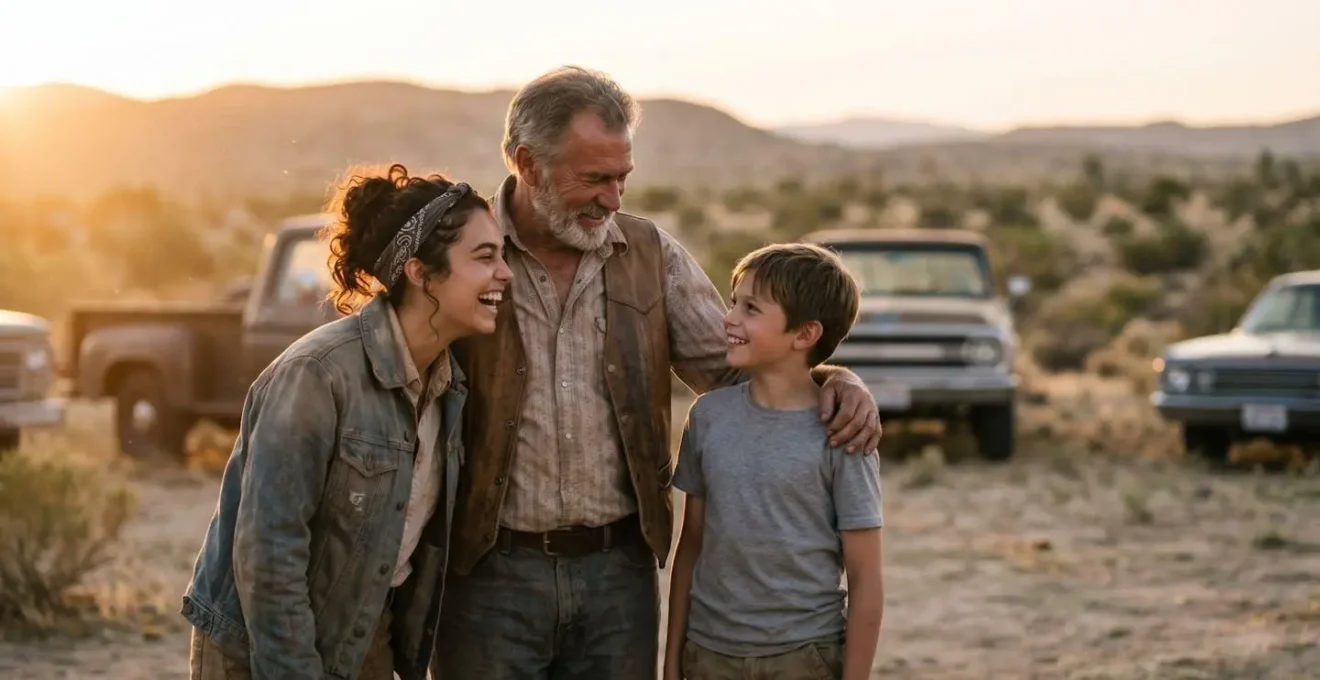
Beyond the parade, the weekend is filled with events that reflect the state’s culture: a world championship rock drilling contest (a nod to its mining past), a beard contest, and various community gatherings. Attending Nevada Day is to immerse yourself in a culture that values authenticity over polish and community over commercialism. It’s a chance to see Nevadans celebrating themselves, on their own terms, far from the gaze of the international tourist.
Googie Architecture vs. Modern Glass: Which Defines the Real Vegas?
The architectural landscape of Las Vegas is a battlefield of ideas, a physical representation of the city’s identity crisis. On one side stands the whimsical, optimistic futurism of Googie architecture that defined the mid-20th century. On the other, the sleek, anonymous glass towers that dominate the modern skyline. To ask which defines the real Vegas is to ask about the city’s very soul: is it the individualistic, car-centric dream of the past, or the globalized corporate vision of the present?
Googie architecture, with its upswept roofs, geometric shapes, and bold use of neon, was the visual language of the atomic age. It was designed to be seen from a moving car, to catch the eye with a sense of motion and possibility. The iconic « Welcome to Fabulous Las Vegas » sign is a perfect example. This style represented a uniquely American, and specifically Western, form of optimism. It was individualistic, flamboyant, and unashamedly commercial.
Case Study: The Neon Boneyard
The Neon Museum, affectionately known as the Neon Boneyard, is a powerful monument to this architectural tension. It preserves the iconic neon signs of the Googie era, rescuing them from the imploded casinos they once adorned. The Boneyard’s existence is a paradox: it’s a city cherishing the symbols of its past while relentlessly demolishing the structures that gave them context. It serves as a beautiful, melancholic graveyard for an aesthetic of defiant individualism, replaced by a more homogenous, global luxury that the glass towers represent. As Vegas PBS notes, « Think of neon signs and you think of Vegas. The Neon Museum is preserving that history. »
The modern glass towers of CityCenter or Resorts World are impressive in their own right, but they speak a different language. It’s the language of international finance, of corporate branding that could exist in Dubai or Shanghai as easily as in Las Vegas. While Googie was about standing out, modern architecture is often about fitting in to a global standard of luxury. The real architectural soul of Vegas, therefore, lies in this tension between its flamboyant, unique past and its corporate, globalized present.
The « Summit » at the Sands: Why That Moment Changed Vegas Forever?
In 1960, while filming « Ocean’s 11, » a legendary convergence of talent took place at the Sands Hotel. The « Summit at the Sands, » featuring Frank Sinatra, Dean Martin, Sammy Davis Jr., Peter Lawford, and Joey Bishop—collectively known as the Rat Pack—was more than just a series of lounge acts. It was a pivotal moment that crystallized the myth of Las Vegas as the « Capital of Cool » and, in doing so, had a profound impact on American culture and civil rights.
Before the Rat Pack, Las Vegas was largely seen as a seedy gambling outpost run by the mob. The Summit changed that perception. The effortless style, witty banter, and magnetic charisma of the performers created a new narrative. This was a place for sophisticated adults, a playground of glamour and freedom. This mythology was incredibly powerful, normalizing a permissive lifestyle and cementing the « Live and Let Live » ethos into the national consciousness. It transformed the city’s image from one of sin to one of sophisticated indulgence.
Case Study: The Rat Pack and Desegregation
The Summit’s most enduring legacy may be its role in desegregating Las Vegas. At the time, the city was as segregated as any in the Deep South. Black performers like Sammy Davis Jr. could entertain on stage but were not allowed to stay in the hotels or gamble in the casinos. Frank Sinatra, wielding his immense star power, refused to accept this. He demanded that Davis be allowed the same privileges as the rest of the group, effectively using his contract to break the color barrier on the Strip. As the CNN series « Vegas: The Story of Sin City » explores, this act of defiance was a crucial step in the city’s civil rights journey.
This moment was transformative. It wasn’t just about entertainment; it was a cultural earthquake. The Rat Pack sold a fantasy of an integrated, effortlessly cool America, and Las Vegas was its stage. They cemented the city’s identity as a place of glamorous rebellion, where the rules of the outside world didn’t seem to apply. That single moment at the Sands did more to shape the modern image of Las Vegas than any casino magnate or marketing campaign.
Key Takeaways
- Nevada’s « Live and Let Live » culture is not a lifestyle choice but a historical survival strategy born from economic necessity.
- The state has a unique history of turning potential threats, from divorce to atomic bombs, into economic spectacles.
- The true soul of Nevada is found in the tension between Reno’s gritty reinvention and Las Vegas’s mastery of global spectacle.
- Modern Indigenous tribes, like the Las Vegas Paiutes, are powerful economic and cultural forces, not historical footnotes.
Mojave Desert: How to Explore the Raw Wilderness Responsibly?
Beyond the cities lies the true heart of Nevada: the vast, uncompromising desert. The Mojave is not an empty wasteland but a landscape of stark beauty, rich history, and surprising life. It is the source of the state’s mineral wealth—historical records show that Nevada is the world’s third-largest gold producer—and the canvas for its future, with lithium mining poised to power a new economy. To understand Nevada is to understand its relationship with this raw wilderness. But exploring it requires respect and preparation.
The desert is a place of extremes. Temperatures can swing dramatically, water is scarce, and cell service is often non-existent. Responsible exploration is not just an ethical consideration; it is a matter of survival. This means adhering to Leave No Trace principles, staying on designated trails to protect fragile ecosystems like cryptobiotic soil, and being completely self-sufficient. The desert’s beauty is matched only by its unforgiving nature, and it demands the utmost respect from all who enter.
From the iconic Valley of Fire State Park to the strange land art of Seven Magic Mountains, the Mojave offers profound experiences for those willing to engage with it on its own terms. It is a place for solitude, reflection, and a humbling sense of scale. It reminds us that for all the neon and noise, Nevada’s identity is ultimately grounded in this vast, powerful, and beautifully desolate landscape.
Action Plan: Responsible Desert Exploration
- Plan for Extreme Temperatures: Desert days can exceed 110°F while nights can freeze. Always carry layered clothing, sun protection, and emergency shelter.
- Carry Excess Water: The absolute minimum is one gallon per person, per day. Dehydration is rapid and dangerous. It’s always better to have triple what you think you need.
- Use Redundant Navigation: Do not rely on your phone. Download offline maps and carry a physical compass and paper maps as a backup. Inform someone of your route and expected return time.
- Adhere to Leave No Trace: Pack out absolutely everything you pack in. Stay on marked trails to avoid damaging fragile desert crusts and habitats. Do not disturb wildlife.
- Time Your Visits Wisely: Avoid hiking during the peak heat of summer days. For popular sites like Seven Magic Mountains or events like Burning Man, check schedules and access conditions in advance.
The true Nevada is not a simple postcard. It is a complex, contradictory, and endlessly fascinating state. By looking beyond the Strip and understanding the forces that shaped its character, you can begin to appreciate the real « Battle Born » spirit. The next logical step is to experience it for yourself, armed with this deeper knowledge.