
Las Vegas is often reduced to a caricature of neon lights and gaming tables, but for the observant traveler, it represents a complex ecosystem of evolving trends and unique lifestyle challenges. Understanding this city requires looking past the dazzling surface to grasp the psychology of its architecture, the strategy behind its retail landscape, and the emerging shifts in entertainment that go far beyond traditional showgirls.
Whether you are a photographer chasing the perfect light, a gamer seeking the ultimate competitive arena, or a shopper navigating high-stakes retail, the « Sin City » experience is increasingly defined by nuance. This guide explores the fundamental pillars of the modern Vegas lifestyle, offering a roadmap to experience the city not just as a tourist, but as a savvy insider.
The visual identity of Las Vegas is a deliberate construct designed to captivate and, quite often, to disorient. Photographers and architecture enthusiasts must understand that the Strip is not merely a collection of buildings, but a psychological maze. The architecture is frequently designed to obscure exits and manipulate perspective, keeping pedestrians within the resort ecosystem. Mastering the art of capturing this environment requires technical skill and situational awareness.
The transition from the « Blue Hour » to full night offers the most iconic photographic opportunities, particularly around the Bellagio fountains or the vintage signage of the Boneyard. However, modern technology poses a challenge: the flicker rate of neon and LED signs often creates « banding lines » on smartphone cameras.
The entertainment landscape in Vegas is undergoing a seismic shift. While the legacy of Siegfried & Roy remains stamped on the city’s history, the days of simple props and tigers are fading. Today’s audiences demand intellectual engagement and competitive intensity, driving two major trends: the rise of psychological magic and the explosion of Esports.
A fascinating pivot is occurring where venues once dedicated to nightlife are transforming into high-tech Esports lounges. The city is positioning itself as a global hub for competitive gaming.
Magic has evolved from « gotcha » tricks to complex mentalism and gothic illusion. Modern performers rely less on large mechanical props and more on psychology and audience interaction. However, this interactive nature introduces new etiquette rules; heckling a mentalist is a high-risk behavior that usually backfires, as these performers are masters of social dynamics.
Retail therapy in Las Vegas is a high-stakes game where pricing strategies are as calculated as the slot machines. Shopping here often costs significantly more than visitors anticipate, due to a combination of « tourist taxes, » inflated base prices, and the psychology of casino winnings which lowers purchase inhibitions.
The distinction between the North and South Premium Outlets is critical for the savvy shopper. While the South offers a climate-controlled indoor experience, the North Outlets generally host higher-end brands but require enduring the desert heat.
Surviving the physical toll of Las Vegas is an industry unto itself. The combination of dry desert air, walking miles across carpeted casino floors, and alcohol consumption leads to a specific set of ailments, often colloquially grouped as « Vegas Feet » and dehydration fatigue.
Recovery is not just about sleeping in; it’s about active management of physical stress. The choice between a deep tissue massage and a Swedish massage should be dictated by your activities; deep tissue is often recommended for post-flight bloating and muscle fatigue from walking.
For those seeking authenticity beyond the manufactured glamour of the Strip, the Arts District represents the true heartbeat of modern Las Vegas. This area creates a tension between old-school locals and new developers, resulting in a vibrant, hipster-friendly scene.
Visiting « First Friday » offers a chaotic but rewarding immersion into the local art scene, though parking is notoriously difficult. The area is also the epicenter for finding authentic Mid-Century Modern antiques—remnants of the city’s golden era—and exploring « Brewery Row, » where craft beer culture creates a stark contrast to the mass-produced beverages of the tourist corridor. Exploring this neighborhood requires a different mindset: it is about daylight exploration, street art photography, and engaging with the community that keeps the city running when the neon lights flicker out.
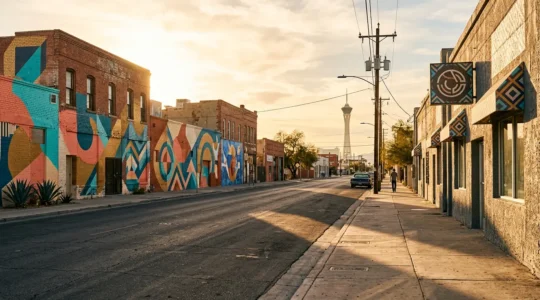
In summary: To truly experience the Arts District, you must look beyond the surface and embrace the creative tension between its gritty origins and new developments. Authenticity is found in the details: knowing when to visit, how to talk to…
Lire la suite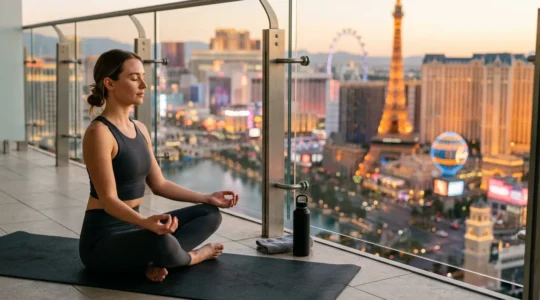
Staying healthy in Las Vegas isn’t about avoiding temptation; it’s about mastering your environment with a disciplined wellness strategy. The Vegas environment is engineered with triggers (constant light, dry air, alcohol) that directly disrupt your body’s natural rhythms and hydration…
Lire la suite
The key to recovering from a Las Vegas trip isn’t just rest; it’s a strategic, physiological intervention to reverse specific stressors like lymphatic congestion and extreme muscle fatigue. Targeted massage techniques, such as Lymphatic Drainage for bloating, are vastly more…
Lire la suite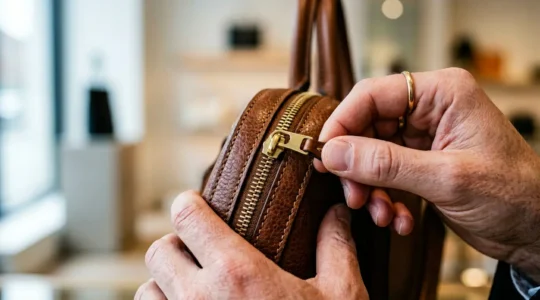
Success at Las Vegas outlets isn’t a treasure hunt; it’s a strategic inspection mission to differentiate genuine value from factory-made filler. The vast majority of merchandise in stores like Coach Outlet was never intended for a retail boutique and is…
Lire la suite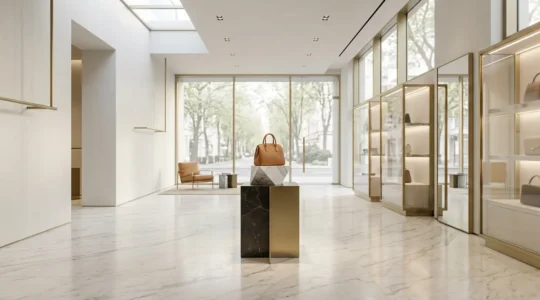
Acquiring a « Vegas-Only » luxury piece is not about shopping; it’s about mastering a system where casino status and insider strategy unlock what money alone cannot buy. The most coveted items are reserved for clients who demonstrate value within the Las…
Lire la suite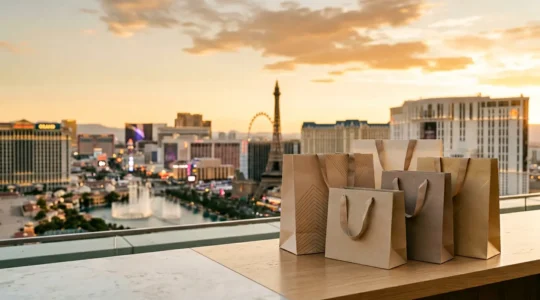
Contrary to popular belief, smart shopping in Vegas isn’t about finding sales—it’s about mastering the environment’s hidden psychological and logistical systems. Understand how casino psychology, mall design, and even air conditioning influence your spending decisions. Leverage strategic tipping and shipping…
Lire la suite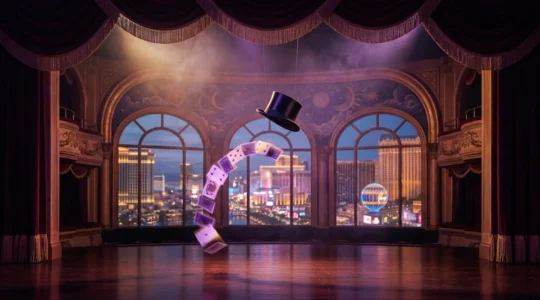
Magic in Las Vegas is more than just entertainment; it’s the original economic blueprint that transformed the city into a global destination. The « show-as-destination » model, perfected by magicians, became the city’s core business strategy for all forms of entertainment. The…
Lire la suite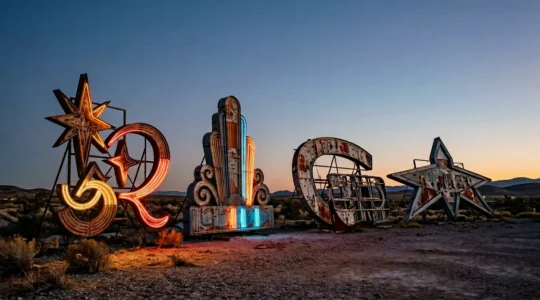
Capturing authentic Vegas neon is less about location and more about understanding its unique « analog glow » and historical texture. Real neon offers a 360-degree softness that LED cannot replicate, which is crucial for creating atmospheric shots with depth. Mastering low…
Lire la suite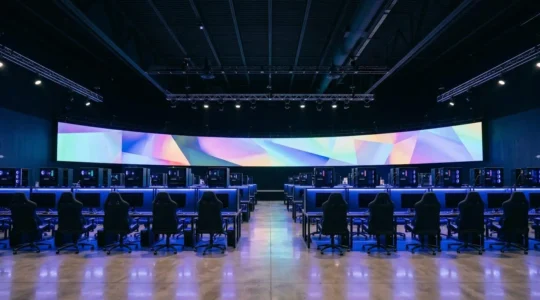
In summary: Las Vegas is shifting from a tourist-only model to a competitive gaming hub, offering daily tournaments for hardcore players. Success in Vegas esports requires a strategic approach, treating it like an in-game campaign focusing on gear, bankroll, and…
Lire la suite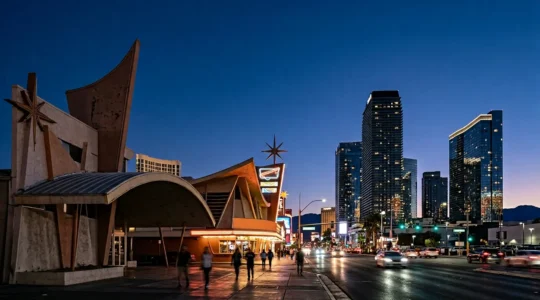
Photographing the real Las Vegas isn’t about finding secret spots, but about understanding the city’s deliberate architectural and psychological design. Casino interiors are intentionally disorienting « ergonomic labyrinths » designed to hold your attention and your wallet. The city’s visual identity is…
Lire la suite