

Casinos are not merely distracting; they are meticulously engineered sensory environments designed to systematically dismantle your self-regulation and perception of time.
- The environment targets all five senses—from proprietary scents that trigger nostalgia to sound effects tuned to simulate victory—creating a state of constant, low-grade euphoria.
- The complete removal of natural time cues (windows, clocks) combined with constant, bright artificial light actively disrupts your body’s internal clock, or circadian rhythm.
Recommendation: To regain control, you must actively reintroduce external reality cues through scheduled breaks, phone alarms, and budget tracking, effectively building a cognitive shield against this orchestrated manipulation.
The sensation is universally familiar to anyone who has spent time in a major casino. You step inside for what feels like an hour or two, only to emerge, blinking, into the harsh sunlight or late-night darkness, completely disoriented. Your phone reveals that six, eight, or even twelve hours have evaporated. This profound time loss isn’t an accident or a personal failing; it’s the intended outcome of a sophisticated and deeply psychological design strategy.
Most people are aware of the most common tactics, like the conspicuous absence of windows and clocks. However, these are merely the surface-level components of a much deeper system. The modern casino operates as a fully integrated, orchestrated atmosphere. It is an immersive reality bubble where every sensory input—from the scent in the air to the temperature on your skin and the frequency of the sounds you hear—is a calibrated tool. The goal is not just to entertain you, but to induce a specific psychological state of « flow » or « trance » where rational decision-making fades and time becomes meaningless.
This analysis, from the perspective of cognitive psychology, will deconstruct this environment piece by piece. We will move beyond the obvious tricks to reveal the precise mechanisms of this cognitive hijacking. We will explore how specific sensory inputs are tuned to exploit your brain’s reward system, how the architecture itself is weaponized to control your movement, and the very real health risks associated with prolonged exposure. Ultimately, you will understand not just what casinos do, but how they do it—and how to build a defense against it.
To fully grasp how these elements converge, this article dissects the individual components of the casino’s orchestrated atmosphere, from the invisible to the structural. The following sections will guide you through this sensory labyrinth.
Summary: Deconstructing the Casino’s Psychological Blueprint
- Why Do Specific Casinos Smell Like Coconut or Fresh Linen?
- How Slot Sound Effects Are Tuned to Keep You Playing?
- Natural Light vs. No Windows: Which Casino Design Keeps You Longer?
- The Health Risk of Ignoring Your Body Clock in a Windowless Room
- How to Set « Reality Checks » on Your Phone to Break the Trance?
- Why the Strip’s Architecture is Designed to Disorient Pedestrians?
- Why Do Casinos Keep the Temperature at Meat-Locker Levels?
- Vegas Well-Being: How to Maintain Your Detox Routine in Sin City?
Why Do Specific Casinos Smell Like Coconut or Fresh Linen?
The moment you step into a casino, your brain is being subtly influenced before you even see a slot machine. This manipulation begins with one of the most primitive and powerful senses: smell. Olfactory marketing, or « scent branding, » is a core component of the casino’s sensory strategy. The goal is to use ambient aromas to evoke specific emotions and memories, creating a subconscious sense of comfort, luxury, or excitement that encourages longer stays and more spending. These are not generic air fresheners; they are proprietary signature aromas developed by fragrance marketing firms to become inseparable from the brand.
The effectiveness of this is not speculative. For instance, The Mirage in Las Vegas famously used a tropical blend of coconut and pineapple to transport visitors to an « island getaway, » reinforcing its theme and creating a relaxing atmosphere conducive to leisure and spending. In contrast, the Aria Resort employs a crisp, sophisticated floral and aquatic scent to bolster its image of modern luxury. These scents are diffused consistently through the HVAC system, ensuring a uniform and inescapable sensory experience. The aroma becomes an olfactory anchor, a subconscious reminder of the brand’s intended feeling.
The financial incentive for this is significant. While hard data is often proprietary, a landmark study on casino scenting found that a pleasant, well-chosen scent could increase slot machine revenue by over 45%. This isn’t just about masking the smell of smoke; it’s about actively programming an emotional response. A positive and familiar scent can reduce anxiety, increase perceived comfort, and make the environment feel more upscale and trustworthy, subtly lowering your cognitive defenses and making the prospect of gambling more appealing.
How Slot Sound Effects Are Tuned to Keep You Playing?
If scent is the casino’s welcoming handshake, sound is its constant, persuasive whisper. The sonic environment of a casino floor is a cacophony by design, but within the noise, the sounds of slot machines are precision-engineered psychological triggers. These are not random beeps and jingles; they are a form of auditory feedback designed to hijack the brain’s reward pathways. A key tactic is the phenomenon of « losses disguised as wins » (LDWs), where a machine plays celebratory sounds and flashes winning lights even when the payout is less than the original bet, making a net loss feel like a victory.
The impact of this is profound. According to research published in PMC, these sounds caused players to significantly overestimate the number of times they won, creating a distorted perception of success that encourages continued play. This is further amplified by the specific musical composition of the sounds. As one gaming psychology research team noted, the sound design is far from accidental:
Casino sound designers craft audio in specific musical keys (often C major) known to evoke positive emotional responses.
– Gaming psychology research team, The Psychology Behind Slot Machines: Why They’re So Addictive
This choice of a major key, universally associated with happiness and resolution, ensures that even small events on the machine trigger a positive emotional feedback loop. The sound of coins dropping—whether real or simulated—is a powerful conditioned reinforcer, a sound that, over decades, our culture has learned to associate with winning. Casinos leverage this by making the gaming floor a constant symphony of near-misses and small wins, all amplified to sound like a jackpot is always just one spin away.

This visualization represents the carefully tuned frequencies and patterns of slot machine audio. Each peak and valley is designed to stimulate the brain’s reward centers, creating an auditory landscape that is as addictive as the game itself. The constant sonic reinforcement ensures that players remain engaged, energized, and optimistic, even in the face of mounting losses.
Natural Light vs. No Windows: Which Casino Design Keeps You Longer?
The most widely known feature of casino design is the complete and deliberate elimination of natural time cues. You will find no windows overlooking the outside world and no clocks on the walls. This is the foundation of creating temporal distortion, a state where the guest’s internal sense of time is decoupled from external reality. Without the sun’s natural progression from morning to night or a simple clock face to glance at, the only measure of time becomes the rhythm of the games themselves: the next hand of blackjack, the next spin of the roulette wheel.
This strategy effectively creates a perpetual, unchanging afternoon inside the casino. The lighting is always bright, the energy is always high, and there are no external signals to suggest that it’s getting late, that you’re tired, or that you have other places to be. The design forces you to rely solely on your internal, physiological cues for time, which are themselves being manipulated by the other sensory inputs. Research confirms the detrimental effects of such environments, even outside the casino context. For instance, a study by researchers at Northwestern University found that day-shift office workers in windowless workplaces reported significantly worse sleep quality and overall quality of life compared to colleagues with window access.
Casinos intentionally leverage this disorienting effect. It is a core tenet of their design philosophy, as confirmed by industry research. In a study on casino work environments, the strategy is laid bare:
The casino industry deliberately removes windows and clocks to create temporal distortion for gamblers. This is not speculation; it is a documented design strategy used across the global gaming industry.
– Casino design research, Brantford Casino Night Shift Sleep Study
By removing the external world, the casino becomes the only reality. This isolation is a powerful tool for retention. When you cannot see the day ending, the subconscious pressure to leave diminishes. You remain in a state of suspended animation, fully immersed in the « now » of the gaming floor, which is exactly where the casino wants you to be.
The Health Risk of Ignoring Your Body Clock in a Windowless Room
The temporal distortion created by a windowless, brightly lit environment is more than just a clever business tactic; it poses a tangible risk to your physiological and psychological well-being. Your body operates on a finely tuned internal 24-hour cycle known as the circadian rhythm. This rhythm governs everything from your sleep-wake cycle and hormone release to your metabolism. Its primary synchronizing agent is natural light. By eliminating natural light and replacing it with constant, high-intensity artificial light, casinos directly interfere with this fundamental biological process.
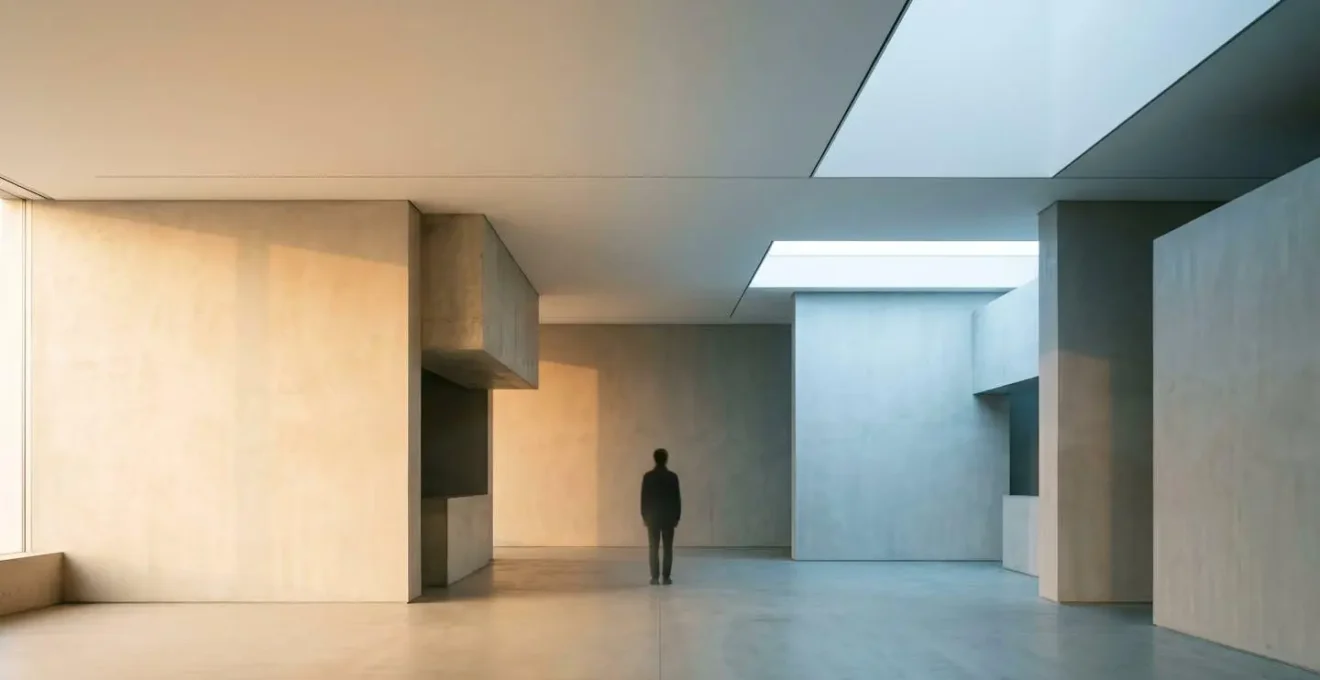
The key mechanism of this interference is the suppression of melatonin, the hormone that signals to your body that it’s time to sleep. Groundbreaking research published in the Journal of Clinical Endocrinology and Metabolism found that exposure to standard room-level artificial light before bedtime can suppress melatonin onset by about 90 minutes. In the hyper-illuminated casino environment, this effect is magnified, effectively tricking your brain into thinking it’s perpetually daytime, keeping you alert and awake far longer than is natural or healthy.
The long-term effects of this constant circadian disruption are most evident in the people who work inside these environments. Their experience serves as a stark warning to guests who spend extended periods inside.
Case Study: The Health Toll on Casino Employees
Casino workers face a unique and compounding set of circadian disruptors. They work shifts under constant bright artificial light, only to exit into bright morning sunlight when their bodies should be preparing for sleep. This sends a conflicting signal to their internal clock. This environmental factor, combined with prolonged standing, repetitive strain, and the high cognitive load of their jobs, creates a perfect storm for sleep disorders. Studies show that over half of night shift workers develop sleep disorders, and casino-specific research found that croupiers experienced an average of 10 work-related health problems within a single 7-day period. This demonstrates the severe physiological cost of living and working in an environment designed to defy the natural cycle of day and night.
For a visitor, even a single long session in a casino can throw your body clock out of sync, leading to poor sleep, fatigue, and impaired judgment—a state that, ironically, makes you more susceptible to the very gambling environment that caused it.
How to Set « Reality Checks » on Your Phone to Break the Trance?
Given that the casino environment is engineered to suspend your sense of reality, the most effective countermeasure is to systematically re-inject reality into your experience. Your smartphone, often seen as a distraction, can be repurposed as your most powerful tool for cognitive defense. Simply setting an alarm to « leave » is often ineffective because, by the time it goes off, your judgment may already be compromised. The key is to create « reality checks » that force a moment of conscious self-assessment, breaking the immersive trance.
These checks are not just reminders of time, but of context, budget, and intention. They serve as a lifeline to the rational mind, pulling you out of the machine’s rhythm and back into your own decision-making process. Instead of passive alarms, you need active prompts that demand an answer and force you to confront the reality of your situation. This involves a pre-commitment to a strategy before you even walk through the casino doors.
The goal is to build a « cognitive shield » using the technology already in your pocket. By turning the casino’s data against itself or creating tangible records of time passed, you can fight the temporal distortion and maintain your agency.
Your Action Plan: Implementing Reality Checks
- Set Contextual Prompts: Instead of simple alarms like « Leave now, » create recurring phone reminders with reflective questions like: « Am I still having fun? », « What was my starting budget and what is it now? », or « What else could I be doing with this money? »
- Use Casino Apps as Accountability Partners: Many casinos have rewards apps that track your real-time spend and session length. Turn their marketing tool into your defense mechanism by checking it regularly to see an unfiltered, data-driven view of your activity.
- Apply the Time-Stamped Photo Technique: A powerful psychological trick. Take a quick photo of your machine or table every hour. Scrolling through the time-stamped images provides a shocking, visual representation of elapsed time that is more concrete than abstract numbers.
- Schedule Pre-Set Exit Times: Before entering, decide on a firm departure time. Set multiple alarms for 30 minutes, 15 minutes, and a final « get up and walk out » warning. The repetition breaks through the noise.
- Establish Physical Awareness Breaks: Set a recurring alarm for every 60-90 minutes, with the sole purpose of making you get up and walk outside. A few minutes of natural light and fresh air can be enough to reset your senses and break the spell.
By proactively setting up these digital tripwires, you are no longer a passive participant in the casino’s orchestrated atmosphere. You become an active observer of your own behavior, armed with the tools to know when it’s time to walk away.
Why the Strip’s Architecture is Designed to Disorient Pedestrians?
The psychological manipulation does not begin at the casino door; it starts on the sidewalk. The architecture of the Las Vegas Strip, in particular, has evolved from a car-centric boulevard into a masterclass in pedestrian disorientation and funneling. The spectacle of flashing lights, oversized structures, and competing soundscapes is designed to be overwhelming, exhausting your directional focus and making the controlled, air-conditioned casino interior feel like a welcome refuge from the chaos.
This contrast between the interior and exterior was famously documented by architects Robert Venturi and Denise Scott Brown in their seminal study, « Learning from Las Vegas. » They observed the stark difference between the inviting, controlled casino spaces and what they called the « agoraphobic auto-scaled desert » outside. This « desert » is not just the heat and sun; it’s the very design of the pedestrian pathways. Academic research from UNLV on the Strip’s design reveals a deliberate strategy of architectural funneling. Sidewalks are designed to abruptly end or become elevated, forcing pedestrians onto escalators and overpasses that often lead them directly through a casino’s shopping esplanade or gaming floor just to reach the next property.
The transition from the chaotic street to the calm interior is seamless and intentional. You are effectively « handed off » from the outdoor spectacle, designed to tire you out, to the indoor retention mechanisms, designed to keep you inside. The path of least resistance is architecturally engineered to lead you through a commercial and gaming environment. Getting from one casino to another often requires navigating a maze that is, in itself, part of the psychological trap. You are not simply walking down a street; you are being guided through a series of carefully constructed experiences with the ultimate goal of drawing you indoors and keeping you there.
Why Do Casinos Keep the Temperature at Meat-Locker Levels?
Among the many sensory inputs managed by a casino, temperature is one of the most subtle yet effective. Many visitors notice the distinctly cool, almost cold, air circulating through the gaming floor, a stark contrast to the outside heat. This is not an accident of overactive air conditioning; it’s a deliberate physiological strategy. The goal is to create an environment that promotes alertness and discourages drowsiness.
According to casino design psychology research, facilities typically maintain temperatures around 68-70°F (20-21°C). This cool temperature serves several psychological and physiological purposes. First and foremost, it combats fatigue. In a warm, stuffy room, people naturally become lethargic. A cool environment has the opposite effect, keeping patrons feeling refreshed and awake, extending the time they are comfortable playing.
The underlying mechanism is rooted in basic biology. As behavioral psychology research points out, the effect is directly linked to cognitive function:
Cooler temperatures increase metabolic rate and cognitive alertness, subtly discouraging drowsiness and encouraging sharper, more frequent betting.
– Behavioral psychology research, The Psychology Gambling Connection: How Casinos Keep Players Playing
By keeping the temperature low, casinos are creating an environment that physiologically supports the mental state they want to induce: one of sustained, vigilant attention. It prevents the body’s natural inclination to wind down, working in perfect concert with the bright lights and stimulating sounds to create a state of perpetual alertness. It’s one more invisible layer in the orchestrated atmosphere, using your body’s own metabolic response as a tool to keep you at the table.
Key Takeaways
- Sensory Saturation: Casinos use a combination of custom scents and carefully tuned sounds to create a constant state of low-grade euphoria and mask losses as wins.
- Temporal Isolation: The complete absence of windows and clocks is a deliberate strategy to disconnect visitors from the natural flow of time, disrupting their circadian rhythm.
- Physiological Manipulation: Environmental factors like cool temperatures and disorienting architecture are used to increase alertness and guide pedestrians into gaming areas.
Vegas Well-Being: How to Maintain Your Detox Routine in Sin City?
Understanding the layers of psychological manipulation within a casino is the first step toward reclaiming your cognitive sovereignty. Being in Las Vegas, or any similar environment, doesn’t mean you have to surrender to the orchestrated atmosphere. By consciously creating your own « well-being bubble, » you can engage with the city on your own terms while maintaining your physical and mental balance. The strategy is to counter each of the casino’s tactics with a proactive, personal routine.
The core of this routine is about re-establishing the very things the casino seeks to remove: a sense of time, a connection to the natural world, and control over your own physiological state. It requires a pre-commitment to a set of personal rules before the sensory onslaught begins. This isn’t about avoiding fun; it’s about ensuring the fun doesn’t come at the cost of your well-being and your wallet.
Your defense is built on three pillars: pre-commitment, scheduled reality intrusions, and physiological stabilization. By planning ahead, you create a structure that can withstand the disorienting environment. You move from being a passive subject of the casino’s design to an active, conscious observer who is simply choosing to be entertained for a limited time.
First, pre-commit to your limits. Before you leave your hotel room, decide on a non-negotiable budget and time limit. Use cash instead of a card to make the financial consequences more tangible. Second, schedule mandatory exits. Use the alarm techniques discussed earlier to force yourself to step outside every 90 minutes. This re-exposes you to natural light, resetting your circadian awareness and breaking the casino’s immersive spell. Finally, stabilize your physiology. Counteract the free alcoholic drinks by consciously hydrating with water and avoid fatigue by having healthy snacks on hand. These simple actions give your body and brain the resources to resist the engineered environment.
By applying these well-being strategies, you transform your experience. You can enjoy the spectacle and excitement of the casino world without losing yourself, your time, or your money in its meticulously crafted illusion.