
Traveling is as much about the palate as it is about the sights. In the realm of global travel, few destinations offer a food scene as polarized, dynamic, and vibrant as cities built entirely on entertainment and hospitality. The culinary landscape here is distinctively divided into two fascinating worlds: the ultra-glamorous, highly publicized resort restaurants on the main boulevard, and the unassuming, deeply authentic local gems hidden in nearby suburban neighborhoods.
Understanding how to seamlessly navigate both environments transforms a standard vacation into an extraordinary gastronomic journey. From decoding secretive reservation algorithms for celebrity kitchens to knowing exactly when the dim sum carts roll out in local Asian markets, mastering the local food scene requires insider knowledge. This comprehensive resource is designed to demystify these culinary ecosystems, providing you with the strategic tools needed to eat like a seasoned industry professional, whether you are wearing a tailored suit or casual streetwear.
The perennial debate for culinary travelers centers on a fundamental choice: theatrical atmosphere versus pure, unadulterated culinary focus. Resort dining offers unparalleled ambiance, multimillion-dollar interior designs, and proximity to world-class entertainment. Conversely, venturing off the main tourist corridors reveals where casino employees, chefs, and locals actually eat, offering immense value and uncompromised traditional flavors.
Leaving the neon-lit tourist epicenter requires strategic planning. A common misstep for first-time visitors is underestimating the sheer scale of the city’s infrastructure and relying on pedestrian routes to reach neighborhood institutions.
Scoring a table at a globally recognized, Michelin-starred establishment or a famous television chef’s outpost can seem daunting. However, the hospitality industry operates on specific rhythms and rules that savvy diners can exploit to bypass seemingly impossible reservation systems.
Think of platforms like OpenTable as a storefront window; it displays what the restaurant wants the general public to see, but the actual inventory is kept safely in the back. Venues hold back significant table inventory for VIPs, high rollers, hotel guests, and regulars. Understanding this dynamic is your key to accessing elite dining rooms.
The notorious smart casual dress code frequently catches travelers off guard, particularly in resort cities where the ambient daytime dress is incredibly relaxed. While casino floors feel relaxed, high-end dining rooms strictly enforce rules against open-toed shoes for men, athletic wear, and graphic tees. Showing up in designer sneakers might be acceptable, but running shoes will almost certainly lead to a polite but firm rejection at the host stand.
When finally seated in a celebrated dining room, diners face the choice between an a la carte experience or a curated tasting menu. A tasting menu dictates the optimal culinary narrative crafted by the executive chef, removing decision fatigue and ensuring the kitchen’s pacing. Conversely, an a la carte menu allows for targeted exploration of specific cravings, providing flexibility for varied palates within your dining party.
Tourists often default to sanitized versions of international food, mistaking convenience for quality. Spotting the difference between a genuinely authentic establishment and a venue catering exclusively to tourist palates is a crucial skill for any traveling gourmand.
Often, the absolute best Asian food in America is found inside seemingly unremarkable, fluorescent-lit strip malls situated just a few miles west of the main resort areas. Areas like Spring Mountain Road and Chinatown represent the true culinary heartbeat for industry professionals, locals, and discerning visitors.
Navigating these intensely authentic spaces requires specific tactics:
How do you find authentic Asian food amidst neon-lit tourist traps? Look for the « GeneralTso’sChickenIndex. » If a restaurant heavily promotes heavily battered, syrupy-sweet fusion dishes alongside Japanese sushi and Thai noodles on the exact same menu, it is likely prioritizing broad tourist appeal over regional authenticity and culinary quality. A focused menu specializing in a single regional cuisine is the clearest indicator of authenticity.
The traditional all-you-can-eat buffet has profoundly transformed from a volume-based novelty into a meticulously curated culinary showcase. Modern international stations are no longer about merely piling plates high with chafing dish staples, but about experiencing global flavors and high-end ingredients in a single, opulent sitting.
The critical distinction between an average buffet and an exceptional one lies firmly in the supply chain and ingredient sourcing. Top-tier resort buffets actually import their core ingredients directly from their regions of origin—like authentic charcuterie flown in from Italy, specific regional chilies sourced from Mexico, or high-grade seafood delivered daily. When evaluating a buffet, look past the sheer number of stations and focus on the presence of made-to-order counters, the visibility of chefs actively cooking, and the obvious quality of raw ingredients at the seafood and carving stations.
Whether you are navigating the dazzling lights of a multi-million dollar dining room, dissecting the nuances of a tasting menu, or pulling your rental car into a packed strip mall parking lot for late-night pho, culinary travel is fundamentally about calculated choices. By understanding reservation algorithms, respecting local dining customs, and venturing confidently beyond the pedestrian tourist zones, you elevate every meal. Keep these principles in mind, and you will eat not just like a local, but like a seasoned culinary insider.
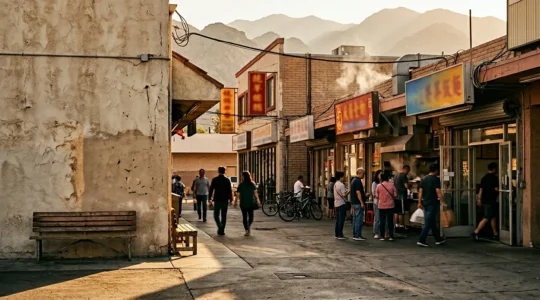
The quest for authentic Asian food in Las Vegas isn’t about finding a single ‘best’ restaurant on the Strip; it’s about learning to decipher the « authenticity code » hidden in plain sight. True culinary exploration begins by understanding the signals—from menu…
Lire la suite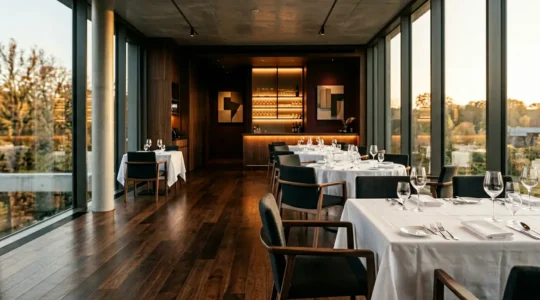
Securing a last-minute table at a top restaurant is less about luck and more about strategic positioning within the dining ecosystem. Reservation platforms don’t show real-time availability; they manage a fixed inventory, creating openings that only direct contact can uncover….
Lire la suite
Eating authentically in Las Vegas means trading Strip glamour for a strategic culinary mission in Chinatown, where the real value and flavor are found. The best Asian food in the U.S. is concentrated in unassuming strip malls just miles from…
Lire la suite