
Stepping onto the gaming floor of a world-renowned resort is a quintessential travel experience. The sensory overload of flashing lights, the rhythmic shuffling of chips, and the constant hum of thousands of machines create an atmosphere of pure anticipation. Casino floors are meticulously designed to immerse visitors, intentionally omitting clocks and windows to create a timeless environment. However, for many travelers, navigating this vast entertainment space can feel intimidating and confusing.
Whether you are wandering through the opulent halls of the Bellagio or exploring a regional gaming destination, understanding the underlying mechanics of these games transforms a bewildering maze into a structured venue. Informed travelers do not rely solely on luck; they rely on a deep understanding of probability, table etiquette, and strategic bankroll allocation. Treating a casino budget as a planned entertainment expense allows visitors to enjoy the thrill without jeopardizing the rest of their vacation.
This comprehensive resource breaks down the mathematics, behavioral expectations, and software mechanics of the most popular casino offerings. By learning how to read a poker room, understand roulette house edges, and decode slot machine software, visitors can elevate their gaming experience. The goal is to transition from a casual observer to an educated participant, making calculated decisions that extend playtime and enhance the overall travel experience.
Unlike standard pit games played entirely against the house, poker pits you directly against a mix of fellow travelers and seasoned local regulars. This unique dynamic requires a delicate balance of psychological resilience, table awareness, and proper etiquette to ensure a profitable and enjoyable session.
Time is a precious commodity on any trip, and standing idly near the poker podium is an unnecessary drain on your vacation. Modern room management has evolved, providing players with digital tools to streamline their entry.
Choosing between grinding cash games or entering daily tournaments fundamentally dictates how your travel bankroll fluctuates. Tournaments offer a fixed, upfront cost with high variance, making them ideal for strict budget control. Conversely, cash games require deeper pockets but allow for flexible session lengths, meaning you can leave for a dinner reservation at any moment. Regardless of the format chosen, managing psychological tilt is critical. A single emotional decision after an unlucky hand can easily destroy days of disciplined, profitable play.
To avoid looking like an inexperienced « fish »—a target for aggressive regulars—players must adhere strictly to the unwritten rules of the room. Always act in turn, verbalize your betting intentions clearly, and never discuss an active hand if your cards have been folded. Furthermore, timing your visits can dramatically alter the difficulty of the game. Late-night weekend sessions frequently feature intoxicated tourists who play loosely with their vacation funds, creating highly profitable environments for sober, disciplined players who remain patient.
Roulette remains the cinematic centerpiece of classic casino imagery. Yet, behind the elegant spinning wheel and the clattering ivory ball lies a strict mathematical reality. Understanding this reality is the only way to dictate how long your designated travel budget will survive at the tables.
Not all roulette wheels are created equal. The physical layout of the wheel fundamentally alters the mathematical probability of success, and casinos often place the worst odds in the most heavily trafficked tourist areas.
Managing a minimum bet table, especially at high-end resorts where table minimums frequently reach $25 per spin, requires immense discipline. Many traveling players fall prey to the « guaranteedwin » fallacy, purchasing expensive PDF guides that peddle flawed mathematical strategies. For instance, the famous Martingale system—where a player doubles their bet after every loss—inevitably crashes into the table’s maximum betting limit. Starting at a $25 minimum, a streak of just six consecutive losses forces a bet of $1,600, leading to catastrophic bankroll failure. A more sustainable approach involves pacing flat bets to maximize time and enjoyment at the table.
Proper behavior at the roulette table ensures a smooth game for everyone and keeps you in the dealer’s good graces. Always place your chips gently on the felt before the croupier waves their hand and calls « nomorebets. » Furthermore, never touch your winning chips until the marker—known as the dolly—has been completely removed from the board. Annoying the croupier with late bets or aggressive behavior slows down the game and ruins the sophisticated atmosphere.
Electronic gaming machines dominate the footprint of any modern resort. Confronted with a blinding array of over 2,000 brightly colored options, picking a winning machine might seem like an exercise in pure luck. However, understanding the underlying software mechanics provides significant clarity and extends your entertainment value.
Before inserting a large bill into a machine, players must understand two critical concepts: Return to Player (RTP) and game volatility. RTP represents the theoretical percentage a machine pays back over millions of spins. Generally, generic casino reels offer a slightly higher RTP compared to highly branded, licensed games (such as Wheel of Fortune or movie tie-ins) because the casino must pay royalty fees to the brand owners. Volatility, on the other hand, dictates the pacing of your session.
Casino floors are designed with psychological intent, which has led to a myriad of persistent myths among travelers. A common fallacy is that machines situated at the end of the aisle are intentionally « looser » to attract passersby. In reality, modern machine payouts are determined by an internal Random Number Generator (RNG) that cycles through millions of combinations per second. Physical placement on the floor is entirely irrelevant to your mathematical chances of hitting a jackpot.
Penny slots can be deceptively expensive and drain travel funds much faster than traditional table games. The « maxbet » requirement on these machines often means a single spin actually costs several dollars, rapidly depleting a conservative bankroll if the player is unaware. Conversely, mathematically savvy players actively scout the floor for « must-hit-by » progressive slots. These specific machines clearly display a dollar amount at which the jackpot is guaranteed to trigger. If you locate a machine where the current progressive meter is mathematically very close to that hard ceiling, you gain a rare, temporary statistical advantage over the house.
Ultimately, incorporating gaming into a travel itinerary should always be viewed through the lens of entertainment value rather than a reliable income source. Whether you are bypassing a crowded poker room waitlist, identifying the most favorable European roulette wheel, or navigating the complex volatility of a massive slot floor, knowledge is your most valuable currency. By setting strict daily loss limits, applying these fundamental mechanical principles, and managing your travel budget responsibly, you can fully enjoy the dynamic thrill of the casino environment with total confidence.
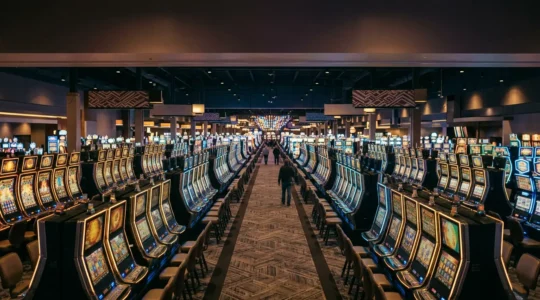
Contrary to popular belief, picking a « winning » slot isn’t about location or luck; it’s about understanding its core engineering and mathematical design. Slot machine placement is random; end-of-aisle machines are not « looser. » Their performance is dictated by a Random Number…
Lire la suite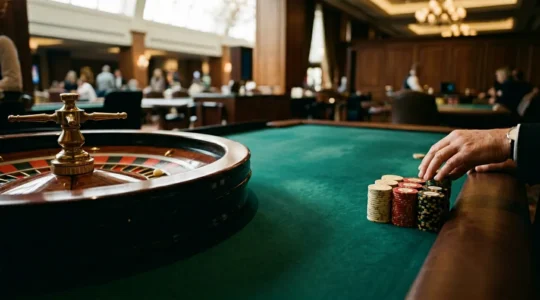
The secret to leaving the roulette table happy isn’t a « winning system, » but understanding you’re paying for entertainment and knowing how to manage that cost. The wheel you choose (single-zero is a must!) has a far bigger impact on your…
Lire la suite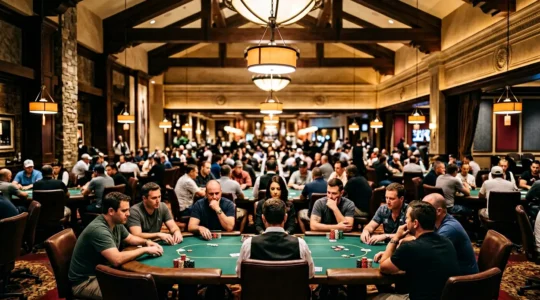
Winning at live poker like Bellagio isn’t about card skill alone; it’s about systematically exploiting environmental factors that online players ignore. Your most significant edge comes from rigorous table selection, targeting tables with loose, recreational players (VPIP > 30%). Strategic…
Lire la suite