
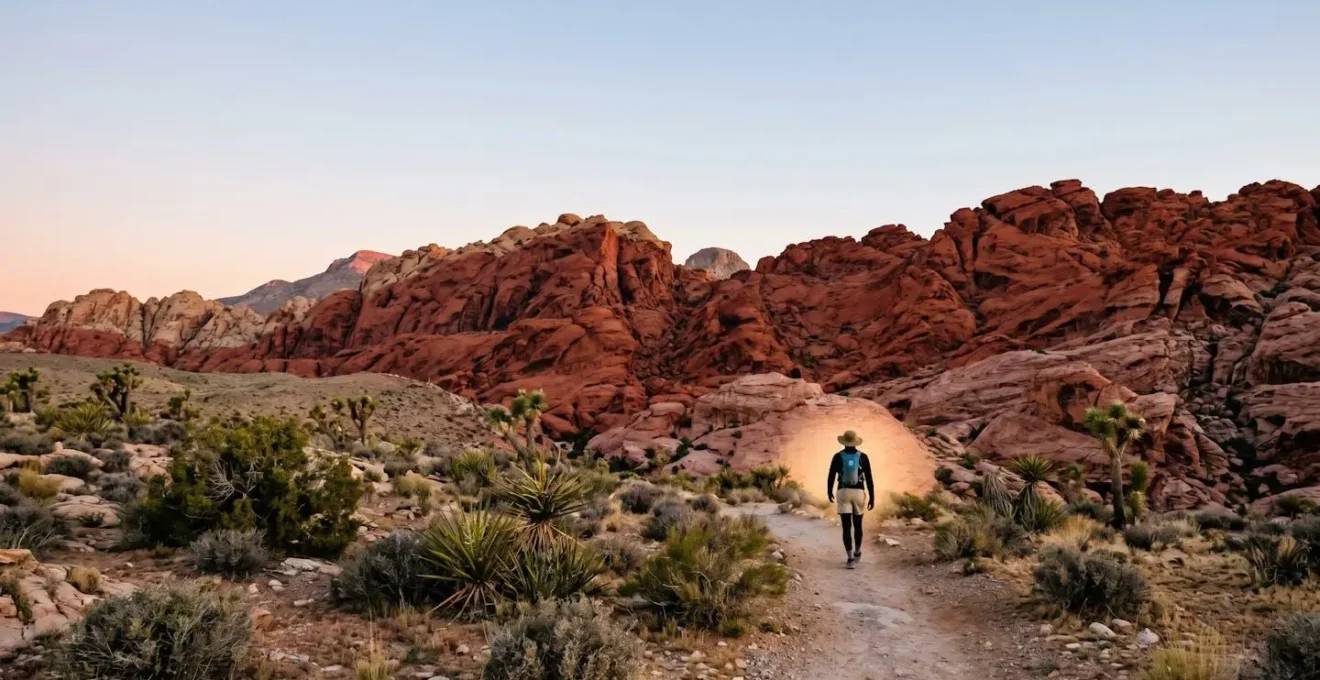
The common belief that simply « starting early and drinking water » is enough for a safe Red Rock hike is dangerously incomplete.
- Success depends on treating your visit as a mission with non-negotiable operational protocols, not a casual stroll.
- You must reverse-engineer your start time from a hard « off-trail by noon » deadline and understand that heat exhaustion can incapacitate you in minutes.
Recommendation: Adopt a park ranger’s mindset. Your safety and the preservation of the desert rely on disciplined planning and respecting the environment’s unforgiving rules, not just good intentions.
The first light of dawn painting the sandstone cliffs of Red Rock Canyon is a sight that draws thousands of outdoor enthusiasts away from the Las Vegas Strip. The promise of a refreshing morning hike in nature is a powerful allure. Many arrive believing the standard advice is sufficient: bring water, wear a hat, and start early. From my perspective as a ranger, I can tell you this advice, while not wrong, is dangerously inadequate. I have seen too many well-intentioned visitors turn a dream hike into a medical emergency because they underestimated the Mojave Desert.
This isn’t a city park with water fountains. It’s a raw, powerful, and unforgiving wilderness just a stone’s throw from civilization. Treating a hike here as a casual affair is the first mistake. The true key to a safe and rewarding experience lies in shifting your mindset. You are not just a visitor; you are entering into a temporary but binding contract with a fragile and extreme environment. Success isn’t about endurance; it’s about disciplined preparation and unwavering respect for the desert’s rules.
This guide is not another list of generic tips. It’s a breakdown of the operational protocols you must follow. We will move beyond the « what » and drill down into the « why » behind each critical step—from securing your entry to choosing the right trail and recognizing the subtle signs of danger before they become critical. Consider this your official briefing. Your mission: to explore, enjoy, and exit safely, leaving no trace but your footprints on the designated trail.
To ensure you are fully prepared for your adventure, this guide details the essential protocols for a safe and responsible visit. We’ll cover everything from the mandatory reservation system to the critical signs of heat exhaustion that are too often ignored.
Table of Contents: A Ranger’s Guide to a Safe Red Rock Morning Hike
- Why You Will Get Turned Away Without a Timed Entry Reservation?
- How to Choose a Hike: Calico Tanks vs. Ice Box Canyon?
- Rental Car or Guided Tour: Which is Best for a Red Rock Day Trip?
- The Danger of Feeding the Wild Burros and Tortoises
- When to Start Your Hike to Be Off the Trail Before Noon?
- The Signs of Heat Exhaustion That Most Tourists Ignore
- Why the « Fire Wave » Trail Rivals The Wave in Arizona?
- Mojave Desert: How to Explore the Raw Wilderness Responsibly?
Why You Will Get Turned Away Without a Timed Entry Reservation?
The most common reason for a ruined day trip to Red Rock Canyon happens before visitors even see the first trail. During the peak season (typically October 1 through May 31), a timed entry reservation is mandatory to access the 13-mile Scenic Drive between 8 AM and 5 PM. Showing up without one will result in you being turned away at the gate, no exceptions. This system is not in place to be inconvenient; it’s an essential tool for managing visitor flow, protecting the fragile desert ecosystem from overcrowding, and ensuring a safer, more enjoyable experience for everyone.
The demand for these reservations is extremely high, especially on weekends and holidays. Thinking you can get one the day of your visit is a recipe for disappointment. The system is designed to reward planners. You must adopt a proactive strategy to secure your spot. Reservations become available 30 days in advance on a rolling daily window, and popular time slots are often booked within minutes of release. There is a small, secondary release of tickets two days prior, but relying on this is a gamble.
It’s also critical to understand that cell service is virtually nonexistent at the entrance gate and throughout most of the park. You must have your reservation confirmation—either printed or downloaded to your phone—ready to display before you arrive. Don’t be the visitor holding up the line, frantically trying to find a signal that isn’t there. Proper planning is the first and most important step of your environmental contract with the canyon.
How to Choose a Hike: Calico Tanks vs. Ice Box Canyon?
Once you’ve secured your entry, the next critical decision is choosing a trail that matches your group’s ability, the time of day, and the weather. Red Rock offers a variety of hikes, but two of the most popular—Calico Tanks and Ice Box Canyon—present a classic choice between sun exposure and shade, views and sanctuary. Making the right choice is fundamental to your safety and enjoyment.
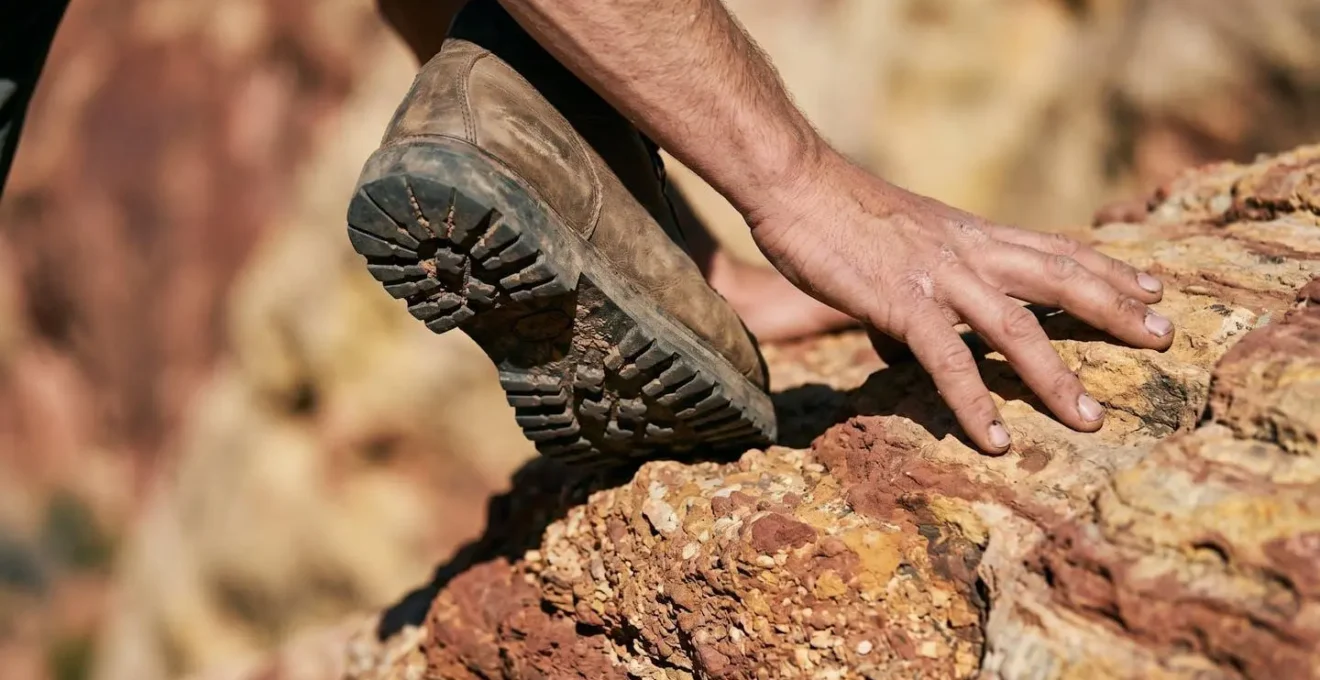
Calico Tanks Trail is a journey into the heart of the vibrant, multi-colored sandstone formations. It involves significant rock scrambling, which can be challenging for those with a fear of heights or unsteady footing. Its primary reward is a stunning panoramic view of the Las Vegas valley from the top. However, the trail is almost entirely exposed to the sun. Attempting this hike after 9 AM in the warmer months is a serious mistake that can quickly lead to heat-related illness. This trail is for the prepared, early-morning hiker.
Conversely, Ice Box Canyon offers a completely different experience. As its name suggests, it provides a cool, shaded escape from the desert heat. The trail leads into a narrow canyon where temperatures can be significantly lower. The walk is relatively flat until the end, where some boulder scrambling is required to reach the seasonal waterfalls. This trail is an excellent choice for a mid-morning hike when the sun is high and the canyon walls provide maximum shade.
Choosing incorrectly can ruin your day. Heading to Calico Tanks at 10 AM is asking for trouble, while hiking Ice Box Canyon at sunrise means you’ll miss the dramatic effect of the sunlit canyon walls. The following table breaks down the decision matrix.
| Trail Feature | Calico Tanks | Ice Box Canyon |
|---|---|---|
| Distance | 2.2 miles round trip | 2.3 miles round trip |
| Average Time | 2 hours | 2-2.5 hours |
| Difficulty | Moderate to Strenuous | Easy to Moderate |
| Scrambling Required | Yes – rock scrambling over sandstone | Minimal – flatter walk until end |
| Sun Exposure | High – exposed trail | Low – shaded canyon |
| Best Time of Day | Sunrise/earliest possible (before 9 AM) | Mid-morning (9-11 AM when canyon shaded) |
| Primary Reward | Panoramic Las Vegas valley views + water pocket | Cool escape + seasonal waterfalls + shade |
| Trailhead | Sandstone Quarry parking lot | Ice Box Canyon parking area |
Rental Car or Guided Tour: Which is Best for a Red Rock Day Trip?
Getting to Red Rock Canyon is the next logistical puzzle. Located approximately 17 miles (27 km) west of the Las Vegas Strip, it’s not accessible via public transportation. Your choice between a rental car and a guided tour will significantly shape your experience and depends entirely on your goals, group size, and budget.
A rental car offers maximum freedom and flexibility. It is the only practical option for serious hikers who want to arrive at sunrise (often before the Scenic Drive’s timed entry begins at 8 AM), tackle multiple trails, and explore at their own pace. This autonomy is crucial for executing the « off-trail by noon » safety protocol during hot months. It allows you to be the master of your own schedule, responding to changing conditions or simply spending extra time at a viewpoint you enjoy. For a solo traveler or a small group focused on hiking, the cost of a compact car, gas, and park entry is often more economical than a guided tour.
On the other hand, a guided tour removes all logistical stress. This is an excellent option for families with children, first-time visitors who are hesitant about desert navigation, or those who prioritize education and comfort. A good guide provides invaluable narration on the area’s geology, flora, and fauna. Tours typically include hotel pickup, park entry fees, and, most importantly, an ample supply of water. For those seeking a premium experience, private tours offer customized itineraries with wilderness first-aid certified guides, ensuring both safety and a bespoke adventure. The one option to avoid is relying on rideshare services like Uber or Lyft for a return trip; the lack of cell service in the park makes coordinating a pickup nearly impossible and could leave you stranded.
The Danger of Feeding the Wild Burros and Tortoises
Part of Red Rock’s magic is its living, breathing ecosystem. You will likely encounter wildlife, from the iconic wild burros near the park’s entrance to the protected desert tortoise on the trail. Your interaction with these animals must be guided by one single, unbreakable rule: observe from a distance and never, ever feed them. This is not a friendly suggestion; it’s a critical conservation and safety mandate.
Feeding wildlife, especially the burros, creates a deadly cycle of habituation. As the Bureau of Land Management warns, animals that associate humans with food lose their natural foraging behaviors and fear. This leads to two catastrophic outcomes. First, they become aggressive. The BLM states, « Each year people are injured by burros as they try to feed or pet these animals. » They are wild, powerful animals, not petting zoo attractions. Second, it draws them to roadsides, where they become a lethal hazard to themselves and to drivers.
Case Study: The Deadly Consequences of Habituation
Documented cases show that feeding burros directly leads to them congregating on and near State Route 159. They learn to bypass fences and cross cattle guards, drawn by the prospect of a handout from a vehicle. According to reports from local news and the BLM, this behavior results in vehicle collisions that kill or injure both burros and humans every year. Your well-intentioned act of « kindness » directly contributes to this tragic and preventable outcome.
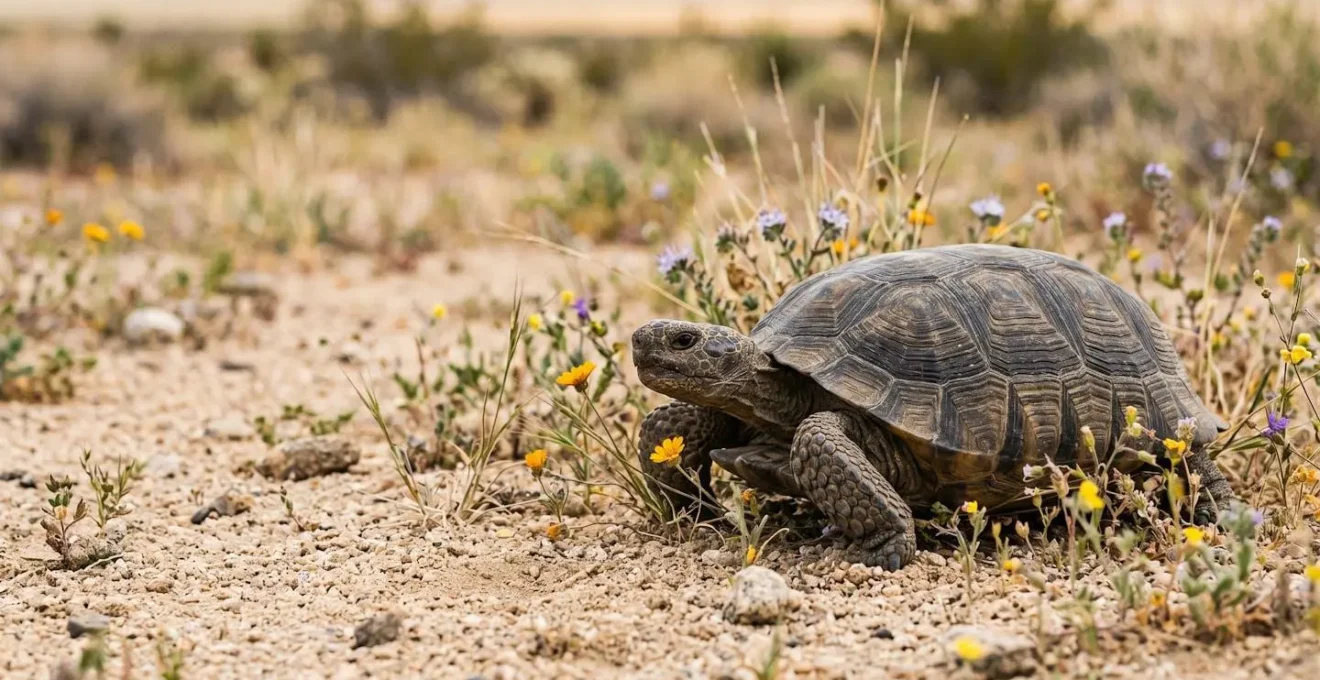
The same principle applies to the desert tortoise, a federally threatened species. A tortoise’s shell is its home and its defense, but it is incredibly vulnerable to human interference. Never touch or pick up a tortoise. The stress can cause them to void their bladder, losing precious water that is essential for their survival in the arid environment. Offering them human food can be fatal to their digestive system. The best way to show your appreciation for these ancient creatures is to give them a wide berth, admire them from afar, and allow them to continue their slow, deliberate journey undisturbed.
When to Start Your Hike to Be Off the Trail Before Noon?
In the Mojave Desert, the clock is not your friend. The single most important safety rule for hiking in Red Rock from late spring through early fall is this: you must be off the trail before noon. This is not a guideline; it is a hard-and-fast deadline. Summer temperatures regularly soar, with average highs over 100°F (38°C) and ground temperatures that are even hotter. The radiant heat from the rocks and sand can turn a pleasant morning into a life-threatening situation with stunning speed.
To meet this non-negotiable deadline, you cannot simply « start early. » You must work backward to calculate your precise departure time. This is an operational protocol, not a casual guess. Follow this five-step formula:
- Calculate Total Hike Time: Research your chosen trail’s average duration (e.g., Calico Tanks, 2 hours). Then, add a 30-minute buffer for photos, rest, and unexpected delays.
- Factor in Park Entry Time: Even with a reservation, arriving at the gate at 8 AM doesn’t mean you’re on the trail at 8 AM. Account for a potential 30-minute queue to get through the entrance and drive to the trailhead.
- Add Drive Time from Your Hotel: The drive from the Las Vegas Strip to the Red Rock entrance is typically 30-40 minutes, depending on traffic.
- Work Backward from the 11:30 AM Cutoff: To be safe, aim to be back at your car by 11:30 AM. Using the Calico Tanks example: 11:30 AM deadline, minus 2.5 hours (hike + buffer) = 9:00 AM latest trail start. Minus 30 minutes (entry queue) = 8:30 AM park arrival. Minus 35 minutes (drive) = You must depart your hotel no later than 7:55 AM.
- Make Trail-Specific Adjustments: For a highly exposed trail like Calico Tanks, even a 9:00 AM start can be too late in July. The real protocol for such trails is to be there for a sunrise start (6-7 AM), which means arriving before the timed entry hours even begin. Shaded trails like Ice Box Canyon offer more leeway.
Failing to do this simple math is the most common path to a heat-related emergency. You do not want to be a mile from the trailhead at 1 PM when the sun is at its most brutal. The desert is unforgiving of poor planning.
The Signs of Heat Exhaustion That Most Tourists Ignore
The most insidious danger in the desert is not a snake or a scorpion; it is your own body’s response to the heat. Heat exhaustion is the precursor to heat stroke, a life-threatening medical emergency. The problem is that many visitors, driven by a « summit fever » mentality, ignore the early warning signs their bodies are screaming at them. As one Fire Department Paramedic noted in an interview, « The signs and symptoms are there… and yet they continue because they don’t believe it’s a successful hike until they get to the top of the mountain. And that’s when we run into problem. »
The signs and symptoms are there. Their body is telling them, I can’t continue, and yet they continue because they don’t believe it’s a successful hike until they get to the top of the mountain. And that’s when we run into problem.
– Fire Department Paramedic, NPR Health Interview
The progression from feeling fine to being in serious trouble can be terrifyingly fast. According to emergency medical professionals, the transition from normal sweating to being in trouble can happen in 10 minutes. The initial signs are subtle: headache, dizziness, nausea, excessive sweating, or paradoxically, a sudden cessation of sweating as your body’s cooling mechanism fails. Other signs include pale, clammy skin, muscle cramps, and a rapid, weak pulse. Ignoring these signs and pushing onward is a potentially fatal decision. Your goal is not the summit; your goal is to get back to your car safely.
To combat this, you must implement a proactive self-monitoring protocol. It is not enough to drink when you feel thirsty; by then, you are already dehydrated. You need a structured routine to stay ahead of the danger.
Your Action Plan: The 15-Minute Stop-Drink-Assess Protocol
- Every 15 Minutes: Stop all hiking activity completely, regardless of how good you feel. This is a non-negotiable, scheduled stop.
- Drink Protocol: During the stop, take 3-4 large gulps of water (approximately 8-12 oz). Do not just sip. You must actively replace fluids.
- Self-Assessment: Ask yourself and your group: « How do I feel? Am I sweating normally? Is my thinking clear? Do I have any headache, dizziness, or nausea? » Be honest.
- Check Your Resources: Look at your water supply. Have you consumed at least half a liter per hour? Check your snacks. Have you replaced lost salts with electrolytes or salty foods?
- Make the « Go/No-Go » Call: If any answer to the self-assessment questions is negative, the decision is made for you. Stop, find shade, cool down, and if symptoms don’t improve quickly, your hike is over. Turn back.
Why the « Fire Wave » Trail Rivals The Wave in Arizona?
For many desert explorers, hiking « The Wave » in Arizona is a bucket-list goal, a geological marvel of swirling sandstone. However, access is famously difficult, requiring winning a highly competitive permit lottery. What many visitors to the Las Vegas area don’t realize is that a rival experience exists, offering similar visual splendor without the bureaucratic nightmare: the « Fire Wave » in the nearby Valley of Fire State Park.
While technically outside Red Rock Canyon NCA, Valley of Fire is often part of the same regional itinerary and showcases the same Aztec Sandstone geology. As trail guides often point out, « Both are stunning Aztec Sandstone formations, but the Fire Wave offers a concentrated dose of the same beauty in a much shorter, easier, and more accessible hike. » The trail delivers a powerful photographic punch, with undulating waves of red, orange, and yellow rock that create a landscape that feels otherworldly, especially in the soft light of the late afternoon.
The key difference is accessibility, which makes the Fire Wave a more democratic and family-friendly alternative.
Accessibility Case Study: Fire Wave vs. The Wave
The contrast in accessibility is stark. To visit The Wave in Arizona, you must enter a lottery where only 64 permits are issued daily against thousands of applicants. If you win, you then face a strenuous 6-mile round trip hike in a remote, unmarked wilderness. Conversely, the Fire Wave trail is a relatively easy 1.5-mile round trip, accessible to any visitor who pays the Valley of Fire State Park entry fee—no lottery, no special permit required. It delivers 90% of the visual reward of its more famous cousin for 10% of the logistical effort, making it a perfect destination for families or those who want a guaranteed world-class sandstone experience.
For visitors who are captivated by the unique geology of the Mojave, the Fire Wave trail is an essential addition to their itinerary. It proves that you don’t always need to win a lottery to witness a geological jackpot. It provides an opportunity for breathtaking photos and a deep appreciation for the artistic power of wind and water on sandstone, all within a manageable and accessible hike.
Key Takeaways
- A timed-entry reservation is non-negotiable during peak season; plan your booking at least 30 days in advance.
- Your hike must be finished before noon in warm months; you must reverse-engineer your start time from this hard deadline.
- Heat exhaustion can escalate in minutes; implement a mandatory 15-minute stop-drink-assess protocol to stay ahead of dehydration.
Mojave Desert: How to Explore the Raw Wilderness Responsibly?
Your environmental contract with Red Rock Canyon extends beyond personal safety. It includes a solemn promise to protect this fragile and beautiful wilderness for future generations. This is a landscape defined by its extremes; official data shows it receives an average of 294 days of sunshine per year and only 4.13 inches of rain. In this arid environment, every plant, every animal, and even the soil itself is part of a delicate, interconnected web that can be easily and permanently damaged by thoughtless actions.
Exploring responsibly means adhering to the principles of Leave No Trace, which are not just suggestions but essential protocols for desert survival. The most critical of these is to stay on designated trails. The dark, bumpy crust you see on the soil is not just dirt; it is cryptobiotic soil, a living community of organisms that takes decades to form and prevents erosion. A single footstep can destroy it. Likewise, sound travels far in the open desert. Loud voices or music shatter the sense of wilderness for others and cause stress to wildlife. Practice hiking with your ears open, listening to the subtle sounds of the desert.
Your responsibility also extends to the digital world. Avoid geotagging specific, sensitive locations on social media. While sharing your beautiful photos is natural, tagging a precise location can lead to a surge of visitors that a fragile area cannot handle, a phenomenon known as « death by Instagram. » Share the general area, but help protect the hidden gems by keeping them a bit of a secret. Finally, be self-reliant. A physical map and compass should be your primary navigation tools. Cell phones overheat and batteries die quickly in the desert sun, and there is no service in most areas to call for help if you’re lost. Being a responsible explorer means being prepared to save yourself.
- Protect Cryptobiotic Soil: Always stay on designated trails. One step off-trail can destroy decades of fragile, living soil crust.
- Practice Digital Responsibility: Avoid geotagging sensitive locations on social media to prevent overcrowding and environmental damage.
- Carry Backup Navigation: Do not rely solely on your phone. Carry a physical map and compass, as electronics can fail due to heat and lack of service.
- Minimize Noise Pollution: Respect the tranquility of the desert. Avoid loud music or voices that disturb wildlife and other visitors.
- Protect Water Sources: Never swim, bathe, or wash in natural springs or seeps. These are life-critical resources for native wildlife.
You now have the briefing. You understand the protocols for reservations, trail selection, heat management, and responsible behavior. The final step is to execute the plan with discipline. Take this knowledge, respect the power and fragility of the desert, and go have a safe, memorable, and rewarding adventure. The canyon is waiting.