
In summary:
- To truly experience the Arts District, you must look beyond the surface and embrace the creative tension between its gritty origins and new developments.
- Authenticity is found in the details: knowing when to visit, how to talk to artists, and what to look for in a craft beer or antique.
- Strategic planning for events like First Friday and navigating Fremont Street is key to avoiding crowds and sensory overload.
- Your choices—from the chef-owned restaurant you support to the brewery you visit—directly shape the future of this vibrant neighborhood.
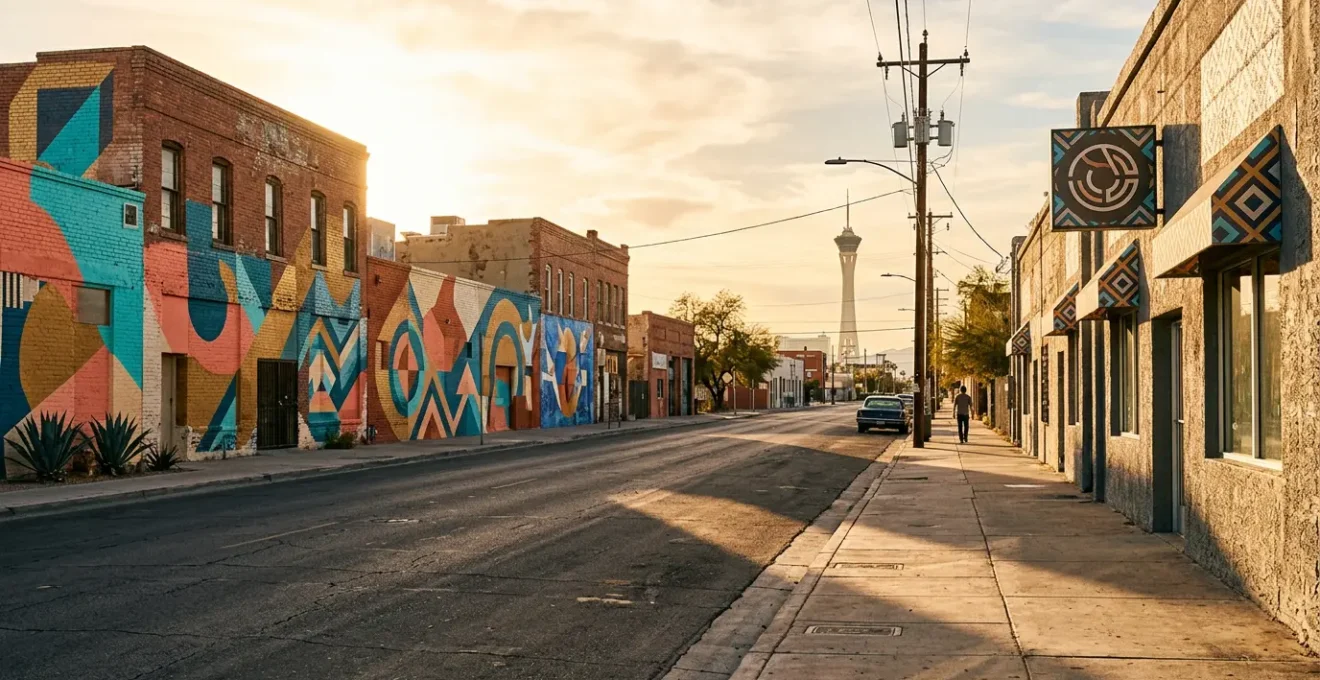
So, you’ve seen the Bellagio fountains, walked the neon canyon of the Strip, and now you’re craving something… real. You’ve heard whispers of a different Las Vegas, a place with paint-splattered alleyways, clinking beer glasses, and a vibe that’s more about creation than consumption. That place is the 18b, the Las Vegas Arts District. And as an artist who calls this neighborhood home, I can tell you it’s everything you’re looking for, but it doesn’t give up its secrets easily.
Many guides will tell you to just « show up for First Friday » or « look at the murals. » That’s tourist advice. That’s scratching the surface. The real Arts District is a living, breathing thing, a beautiful and sometimes chaotic balancing act between its gritty, independent soul and the polish that comes with being « discovered. » It’s in the tension between the original artist co-ops and the sleek new condo towers, between the dive bar and the mixology lounge, between the city’s past and its future.
This guide is your backstage pass. It’s not just a list of places; it’s a strategy. I’m going to show you how to navigate that tension, how to find the authentic pulse of the neighborhood, and how to experience the 18b not as a tourist, but as a temporary local. We’ll cover everything from parking tactics for the biggest art festival to the subtle clues that separate a genuine mid-century antique from a clever fake. Forget the Strip’s manufactured fun; we’re going for something better: genuine connection.
This article will guide you through the essential choices and insider knowledge needed to truly connect with the Arts District. Below is a summary of the key tensions and experiences we will explore, from navigating the beautiful chaos of its signature events to making conscious dining choices that support local creators.
Summary: A Local’s Guide to the Tensions and Triumphs of the Vegas Arts District
- Why « First Friday » is a Nightmare for Parking but Heaven for Art?
- How to Find Authentic Mid-Century Modern Antiques on Main Street?
- Brewery Row vs. Strip Bars: Which Offers Better Craft Beer?
- The Tension Between Old Locals and New Developers in the District
- When to Photograph the Street Art to Avoid Shadows and Cars?
- When to Arrive on Fremont to Catch the Best Live Bands Free?
- Strip Glamour vs. Off-Strip Authenticity: Which Dining Experience Do You Crave?
- Fremont Street Experience: How to Survive the Sensory Overload of Downtown?
Why « First Friday » is a Nightmare for Parking but Heaven for Art?
First Friday is the perfect embodiment of the Arts District’s beautiful chaos. On the first Friday of every month, the streets explode with gallery openings, live music, food trucks, and a massive, eclectic crowd. It’s heaven because you get to see the entire creative ecosystem of Vegas in one place, pulsating with energy. You can talk directly to artists, buy original work, and feel the city’s true cultural heartbeat. The energy is electric, and the art is raw, exciting, and accessible.
But it’s a nightmare for one reason: everyone knows about it. The secret is out. This isn’t a quaint little art walk anymore; a historical account shows that by the end of 2005, First Friday was attracting 8,000 to 10,000 people monthly, and it has only grown since. That means parking becomes a bloodsport. The streets are closed, the lots are full by 6 PM, and tow trucks circle like vultures, preying on those who park in unauthorized lots. This is the ultimate « local knowledge » test. Showing up unprepared means you’ll spend an hour circling in frustration and miss the best part of the evening.
To win the First Friday game, you need a plan. Don’t just drive into the chaos and hope for the best. Think like a local: arrive early, park smart, and use the infrastructure that’s already in place. The best strategy is to park on the periphery and use the free shuttle, or have a solid backup plan in the nearby Fremont district. If the crowds sound like too much, consider « Preview Thursday » the night before, where many galleries have a quieter, more intimate opening. You get to have real conversations with the artists without the massive crowds.
How to Find Authentic Mid-Century Modern Antiques on Main Street?
Walking down Main Street feels like a treasure hunt through Las Vegas’s stylish past. The area is a goldmine for Mid-Century Modern (MCM) furniture and decor, much of it sourced from the very homes and classic casinos that defined the city’s golden age. But as the style has surged in popularity, the line between authentic, period-specific pieces and modern reproductions has blurred. Finding the real deal requires more than a good eye; it requires knowing what to look for, feeling for the history in the materials.
An authentic piece tells a story through its texture, its weight, and its subtle imperfections. It’s not just about a design; it’s about the craftsmanship of a different era. The warm grain of aged walnut, the cool weight of brass hardware, the way a dovetail joint fits together—these are the details that separate a true vintage artifact from a mass-produced lookalike. You have to be willing to look closer and touch everything.
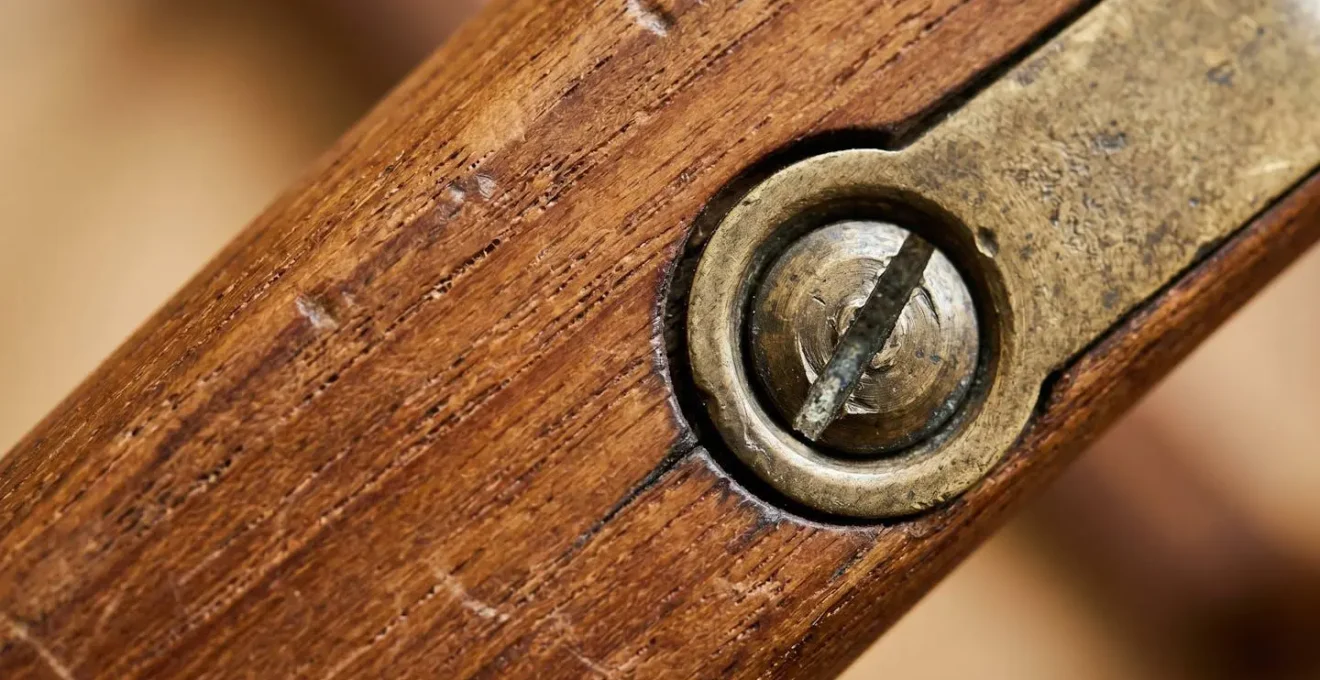
As you can see in the details, genuine quality is tactile. To avoid going home with a clever fake, you need an inspector’s mindset. The dealers on Main Street are knowledgeable, but they respect a buyer who knows their stuff. Asking the right questions and knowing where to look on a piece will not only protect your investment but also open up a better conversation with the seller, who might just have a story about where that particular piece came from.
Your Action Plan: Verifying Mid-Century Authenticity
- Inspect Upholstery Seams: Look for hand-stitching versus machine work. Original pieces often show finer, more irregular hand-stitching that modern reproductions lack.
- Check Wood Refinishing: Examine joints and hidden surfaces. Over-refinishing removes authentic patina, while quality restoration preserves the original finish in protected areas.
- Examine Structural Integrity: Check stress points like chair legs, table joints, and drawer slides. Original quality pieces feature dovetail joints and solid wood construction, not particle board.
- Ask About Provenance: Inquire with dealers about the piece’s history and request any documentation. Legitimate Vegas dealers can often trace pieces to specific casinos, hotels, or local celebrity estates.
- Negotiate Respectfully: Instead of lowballing, ask, « Is there any flexibility on the price? » This shows respect for the piece and the dealer, especially for documented items from local history.
Brewery Row vs. Strip Bars: Which Offers Better Craft Beer?
This isn’t even a fair fight. If you’re a true craft beer fan, the choice is clear. Asking for a « craft beer » at a Strip casino bar is like asking for a gourmet meal at a fast-food chain. Sure, they’ll have a few widely distributed IPAs from big-name « crafty » breweries, served in a generic pint glass for $15. But you’re not getting an experience; you’re just consuming a product. Brewery Row in the Arts District is the complete opposite. It’s a pilgrimage.
Here, the beer is the destination. Along a 1.6-mile stretch, you have a concentrated collection of passionate, independent breweries where the person pouring your beer might be the one who brewed it. The vibe is local, the patios are dog-friendly, and the tap lists are experimental and ever-changing, often featuring ingredients and themes inspired by Nevada itself. This is where you find the soul of Vegas brewing. The difference isn’t just in the beer, it’s in the entire philosophy, as a recent comparative analysis makes clear.
| Feature | Brewery Row (Arts District) | Strip Bars |
|---|---|---|
| Beer Selection | 30+ on-site brewed craft beers per brewery, rotating seasonal specialties | 100+ bottled/draft options but mostly distributed brands |
| Meet the Brewer | Direct access to brewmasters at Able Baker, Hop Nuts, Nevada Brew Works | Corporate bartenders with limited beer knowledge |
| Nevada Ingredients | Atomic Duck IPA, Ariana Rye P.A., desert-inspired specialty brews | Standard national craft brands, no local terroir |
| Atmosphere | Local hangout, dog-friendly patios, intimate tasting rooms | Tourist-focused, high-energy sports bars |
| Walkability | 1.6-mile stretch with 6 breweries, concentrated craft beer experience | Spread across multiple casinos, requires extensive walking |
| Price Point | $6-$8 per pint, affordable flights | $10-$15 per pint, premium tourist pricing |
Able Baker Brewing’s Atomic Age Terroir
Able Baker Brewing exemplifies the Brewery Row difference by creating beers that tell Nevada’s story. Named after the first two atomic bombs detonated at the Nevada Test Site, the brewery operates 32 taps (30 house beers plus cider and a guest tap) in the Arts District. Their barrel-aged beers, barley wines, and imperial stouts showcase brewing expertise impossible to replicate in Strip casino bars. Able Baker also creates exclusive house beers for local institutions like Esther’s Kitchen and AREA15, embedding themselves into the fabric of Vegas’s creative community rather than serving as generic tourist amenities.
The Tension Between Old Locals and New Developers in the District
To understand the Arts District, you have to understand its central conflict: the ongoing tug-of-war between its raw, artistic soul and the powerful forces of gentrification. This isn’t a new story, but in Vegas, it plays out with dramatic speed. The very things that made this area cool—the cheap warehouse spaces, the gritty authenticity, the community of artists—are now attracting developers who see dollar signs, not just canvases.
The origin story of the district and its current tensions can be seen in a single building: The Arts Factory. This former office supply warehouse at 107 East Charleston Boulevard is ground zero. Opened in 1997, it was the first collective, the spark that gave Mayor Oscar Goodman his vision for an arts district. Today, it’s still a working collective with artists in open studios, a testament to its roots. But it’s now surrounded by symbols of the new wave: the chic English Hotel and shiny new apartment complexes. This tension isn’t theoretical; it’s a core part of the neighborhood’s history, as a Wikipedia entry on the district notes, artists have long been wary of new development.
Artists voiced opposition to new high-rise condominium projects in the area, including Newport Lofts, expressing concern that real-estate prices would rise as a result.
– Wikipedia Contributors, 18b The Las Vegas Arts District – Wikipedia Historical Account
As a visitor, you are not a neutral observer; you are a participant in this drama. Every dollar you spend is a vote. Do you grab a coffee from the locally-owned indie shop, or the new, slick chain that just opened? Do you buy a print directly from an artist in The Arts Factory, or a mass-produced souvenir from a gallery that feels more like a retail store? There’s no right or wrong answer, but being aware of this dynamic is essential to understanding the soul of the neighborhood. It’s the difference between being a tourist who consumes a place and a traveler who engages with it.
When to Photograph the Street Art to Avoid Shadows and Cars?
The Arts District is an open-air gallery, with monumental murals turning bland warehouse walls into vibrant canvases. But photographing this art is a craft in itself. Anyone can point a phone and get a snapshot, but if you want to create a compelling image that does justice to the artist’s work, you have to think like a photographer. And that means thinking about light, timing, and composition.
The biggest enemies of a great mural shot are harsh midday sun, which creates deep, unflattering shadows, and the constant flow of traffic on Main and Charleston, which can block your perfect composition. The secret is to work with the city’s rhythm, not against it. This means planning your shoot for the « golden hours »—the first hour after sunrise and the last hour before sunset. During these times, the light is soft, warm, and directional, raking across the walls and bringing out the texture of the paint and the brickwork. It transforms a flat image into a three-dimensional piece.
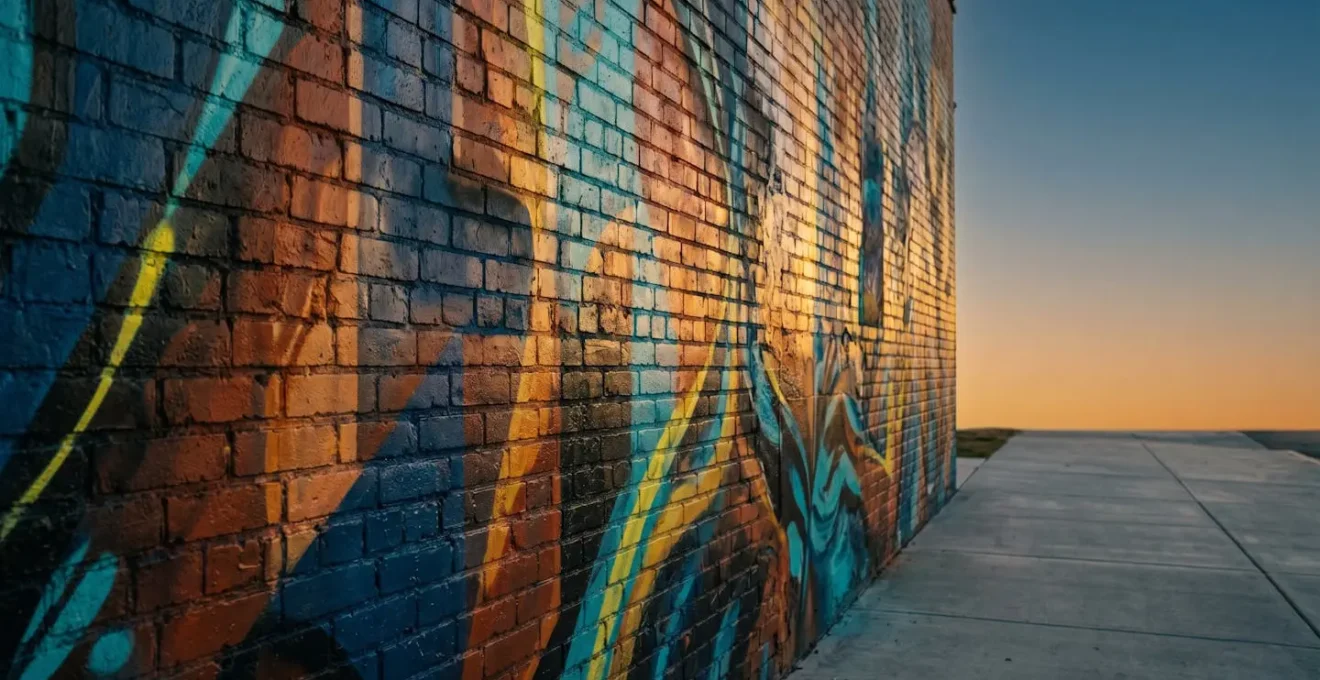
As this image demonstrates, the quality of light is everything. But which walls get the best light and when? That’s the insider knowledge that separates a pro from an amateur. You need a strategy that takes into account the orientation of the walls. A great east-facing mural might be perfectly lit in the afternoon, while a west-facing one is best at sunrise. And the quietest time for traffic is often early on a Sunday morning, a time when most tourists are still asleep.
Your Action Plan: The Photographer’s East-West Wall Strategy
- Morning Golden Hour (7-9 AM): Target west-facing murals on Main Street between Charleston and Colorado—these catch direct sunrise light, revealing texture while morning traffic is minimal.
- Blue Hour Advantage (30-45 minutes post-sunset): Photograph vibrant murals against the electric twilight sky when car headlights are less intrusive and neon gallery signs begin to glow.
- Sunday Morning Sweet Spot (7-10 AM): Combine the best light with the lowest foot and vehicle traffic for unobstructed shots, particularly in the pedestrian-only Boulder Plaza area.
- East-Facing Exceptions (4-6 PM): Charleston Boulevard murals facing east receive warm afternoon side-lighting and are positioned away from Main Street’s heavier vehicle flow.
- Alley and Setback Priority: Map a route through Commerce Street Studios and Art Square courtyard areas where murals are naturally recessed from street traffic for consistently clean compositions, as detailed on the district’s own art site.
When to Arrive on Fremont to Catch the Best Live Bands Free?
The Fremont Street Experience is a sensory explosion, and a huge part of that is the constant rotation of free live music on its multiple stages. Most tourists just wander into the fray and listen to whatever band they happen to stumble upon. But if you want to curate your musical experience and catch the best acts, a little strategy goes a long way. It’s not just about being there; it’s about being there at the right time and in the right place.
The official start time for most bands is 6:00 PM, but the real insider’s tip is to show up around 5:15 PM. Why? Sound checks. This is when the bands are warming up, often playing looser, more interesting jams and testing out arrangements they might not play during their official set. It’s a free, behind-the-scenes concert, and you get to see the musicians in a more relaxed state. It’s also the best time to claim your spot in the « acoustic sweet spot »—about 15-20 feet back from the stage, dead center. You’ll get the best sound mix here, away from the chaotic cross-traffic at the very front.
Furthermore, not all stages are created equal. The main stage near Main Street typically hosts the headliners and features longer, 75-90 minute sets. The secondary stages have shorter, 45-60 minute rotations. A true pro will map out the three stage locations and use the set times to their advantage, creating their own personal music festival. By timing your walks between stages, you can catch the opening songs of three different bands in a single hour. And don’t forget the unsung heroes: the buskers and singer-songwriters in the Fremont East corridor. This is often where you’ll find the most original, heartfelt music, away from the cover-band energy under the canopy.
Your Action Plan: Stage Rotation Timing Strategy
- Arrive at 5:15 PM to catch sound checks—bands warming up 30-45 minutes before official 6:00 PM start times often play unrehearsed jams.
- Identify the three main stage locations; the Main St. stage typically hosts the longest sets (75-90 minutes).
- Position yourself mid-stage, 15-20 feet back, in the ‘acoustic sweet spot’ to maximize sound quality.
- Target the 6:30-7:30 PM window to catch three different set starts by walking between stages.
- Explore between-stage busking zones near Fremont East bars for original singer-songwriters.
Strip Glamour vs. Off-Strip Authenticity: Which Dining Experience Do You Crave?
Your dinner choice is another moment where you vote for the kind of Vegas you want to support. The Strip offers endless glamour, with celebrity chef restaurants that are more about the brand than the bolognese. The menus are often standardized, the chefs are rarely in the kitchen, and the clientele is transient. It’s a high-priced, manufactured experience. Off-strip in the Arts District, you find the opposite: authenticity.
Here, restaurants are chef-owned passion projects. People like James Trees of Esther’s Kitchen aren’t just putting their name on a door; they’re working the line, talking to diners, and building a community. The menus are small, handwritten, and change with the seasons because they’re based on what’s fresh and available from local suppliers. You’re not just eating a meal; you’re participating in a story—the chef’s story, the neighborhood’s story. The difference is palpable, not just in the food, but in the entire atmosphere.
| Authenticity Marker | Arts District Off-Strip | Strip Celebrity Restaurants |
|---|---|---|
| Ownership Model | Chef-owned passion projects (Esther’s Kitchen by James Trees) | Corporate celebrity-branded franchises |
| Menu Philosophy | Small, rotating, handwritten menus reflecting seasonal availability | Standardized corporate menus replicated across locations |
| Owner Presence | Owner working the floor, directly interacting with diners | Celebrity chef rarely present, managed by hired staff |
| Ingredient Sourcing | Local suppliers named on menu, relationships with regional farms | National distribution chains, generic sourcing |
| Clientele | Loyal neighborhood regulars, local industry workers | Transient tourists, one-time visitors |
| Stories per Dollar | Direct conversation with chef/owner about dish origins and neighborhood history | Scripted service, no personal connection or local context |
| Price-to-Experience | $15-30 entrees with authentic cultural narrative | $40-70 entrees with manufactured celebrity brand experience |
So how do you spot true authenticity? It comes down to a few key indicators. It’s about looking for signs that the restaurant is driven by passion, not just profit. A short menu is a sign of confidence. Handwritten specials show creativity in real-time. And if you see the owner bussing a table or talking with regulars, you know you’re in the right place. You’re not just a customer; you’re a guest in their house.
Your Action Plan: The Authenticity Litmus Test for Dining
- Menu Size Test: Look for menus with 8-15 items maximum. A limited selection indicates a chef-driven focus on quality over quantity.
- Handwritten Specials: Daily specials on chalkboards or inserts signal real-time ingredient sourcing and creativity, not pre-planned corporate rollouts.
- Owner-on-Floor Indicator: Ask your server if the owner is present. Authentic places have visible ownership, creating accountability and personal connection.
- Local Supplier Name-Dropping: Check if the menu or staff specifically name local farms or bakeries. This shows embedded community relationships.
- Neighborhood Regular Test: Observe if staff greet customers by name. A loyal local clientele is the ultimate sign of an authentic establishment.
Key takeaways
- The true identity of the Arts District lies in the creative tension between its gritty artist-led past and its commercially successful present.
- Authenticity is an active pursuit: it’s found by seeking out chef-owners, engaging with artists during off-peak hours, and learning to spot genuine craftsmanship.
- Your spending is your vote. Choosing a local brewery, an independent antique shop, or a chef-owned restaurant directly supports the neighborhood’s soul.
Fremont Street Experience: How to Survive the Sensory Overload of Downtown?
If the Arts District is a curated vibe, the Fremont Street Experience is a full-on sensory assault. It’s a five-block pedestrian mall canopied by the world’s largest video screen, with dueling live bands, clanging slot machines, street performers, and a river of humanity. It can be exhilarating, but it can also be incredibly overwhelming. The key to enjoying Fremont without having a meltdown is to have a sensory management strategy.
Don’t just plunge in. The mistake most people make is trying to process everything at once. Your brain isn’t built for that. Instead of a random, chaotic wander, give yourself a mission. As Buzzfeed noted when naming it the most hipster neighborhood, Downtown offers escapes from the commercialism, and places like Velveteen Rabbit provide an eclectic, artistic alternative. Before you even step under the canopy, identify a few « decompression zones »—a quiet corner in a vintage casino lobby like El Cortez, a hidden cocktail bar, or a specific piece of old neon you want to find. These become your anchors in the storm.
Apply the « 45-Minute Rule »: limit your continuous exposure to the main drag to 45 minutes. Then, retreat to one of your decompression zones for a 15-minute reset. This prevents sensory fatigue and allows you to re-engage with the energy instead of being battered by it. Another pro tip is to visit during the day first. A daytime reconnaissance mission lets you appreciate the history and architecture without the overwhelming nighttime audiovisual show. You’ll see the bones of the place, making the nighttime chaos feel more like a costume than the entire identity.
Your Action Plan: Sensory Management for Fremont Street
- Identify Decompression Zones: Before entering, map three escape havens like the El Cortez lobby or the Downtown Cocktail Room patio.
- Apply the 45-Minute Rule: Limit continuous Fremont exposure to 45 minutes maximum before taking a 15-minute reset break in a decompression zone.
- Choose Your Thematic Filter: Enter with a specific focus (e.g., a Vintage Neon Quest) to help your brain filter irrelevant stimuli and create a meaningful experience.
- Schedule a Daytime Reconnaissance: Visit between 10 AM-2 PM first to observe architectural and historical details invisible at night.
- Practice the One-Sense Method: Spend 10-minute intervals focusing only on listening, then only on observing, to avoid simultaneous sensory processing.
The Arts District isn’t a checklist to be completed; it’s a conversation to be joined. It’s about finding your own piece of authenticity within the beautiful, evolving chaos of the city’s creative heart. Now you have the tools not just to see it, but to truly experience it. So go explore with intention, talk to people, and be a part of the story. Your adventure in the real Las Vegas is just beginning.