
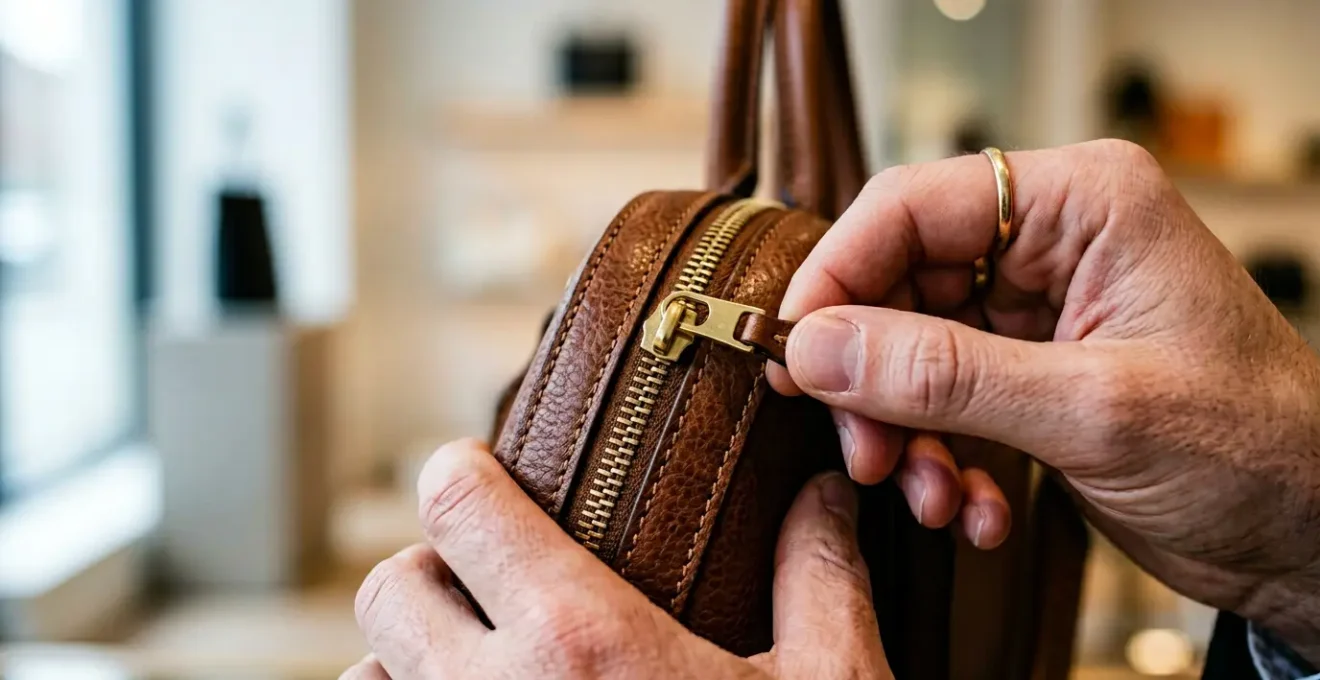
Success at Las Vegas outlets isn’t a treasure hunt; it’s a strategic inspection mission to differentiate genuine value from factory-made filler.
- The vast majority of merchandise in stores like Coach Outlet was never intended for a retail boutique and is of lower quality.
- Your biggest opponents aren’t other shoppers, but logistical hurdles like transportation costs and the brutal Las Vegas sun.
Recommendation: To win, you must adopt the mindset of a quality inspector—mastering merchandise forensics, transportation logistics, and environmental planning.
The allure of Las Vegas North Premium Outlets is powerful: the promise of a Coach, Burberry, or Kate Spade bag for a fraction of the retail price. For the savvy value shopper, it feels like the ultimate jackpot waiting to be hit. We’re conditioned to believe that « outlet » equals « last season’s retail stock at a discount. » But this is the most pervasive and costly myth in modern retail.
Most shoppers arrive unprepared, treating the excursion as a casual shopping trip. They get lured in by « 70% Off » signs, only to walk away with items of inferior quality that were never sold in a full-price boutique. They get financially drained by surge-priced Uber rides and physically drained by the oppressive desert heat. This isn’t just shopping; it’s a high-stakes environment with hidden traps for the uninformed.
But what if the key to victory wasn’t just finding discounts, but executing a strategic mission? This guide reframes the outlet experience. You are not a mere consumer; you are a retail quality inspector on assignment. Your objective: to extract maximum value by identifying genuine high-quality goods while neutralizing the logistical and environmental threats designed to defeat you. We will arm you with the intelligence to decode merchandise tags, analyze transport options like a pro, and develop a tactical plan to conquer the outlets without falling prey to the common pitfalls.
This guide provides a complete intelligence briefing for your mission. Below is the operational summary, detailing each phase of your strategic approach to conquering the Las Vegas North Premium Outlets.
Summary: North Premium Outlets: How to Score Real Deals vs. « Made for Outlet » Trash?
- Why That « 70% Off » Coach Bag Was Never Sold in a Regular Store?
- How to Get to the North Outlets Without a $40 Uber Ride?
- North or South Outlets: Which Has the Better High-End Brands?
- The Danger of Shopping Open-Air Outlets in July Afternoons
- When to Park at North Outlets to Avoid the Traffic Jam from Hell?
- Why a Monorail Pass is Cheaper Than Two Uber Rides?
- Wheel of Fortune vs. Generic Reels: Which Has the Better RTP?
- Retail Therapy: How to Shop the Strip Without Paying Tourist Prices?
Why That « 70% Off » Coach Bag Was Never Sold in a Regular Store?
The single most important truth of outlet shopping is this: most of what you see was manufactured specifically for the outlet channel. It is not simply unsold merchandise from regular retail stores. These items are often made with cheaper materials, simplified designs, and lower quality control standards to hit a specific, lower price point. For example, industry reports reveal that a staggering 85% of the merchandise at a Coach outlet was made exclusively for that environment. The « 70% off » is a discount from a fictional « original » price it was never sold at.
Your first task as a quality inspector is to perform merchandise forensics. You must learn to identify the subtle clues that differentiate a true retail overstock item from a made-for-factory piece. Brands are legally required to differentiate their products, and they do so through specific codes and markings on the tags and labels. Recognizing these signs is the difference between scoring a genuine deal and buying cleverly disguised trash. A true-quality item will last for years; a factory item may show wear within months. This is the core of value extraction.
Your Action Plan: The Brand-by-Brand Outlet Tag Decoder
- Coach Outlet: Inspect the creed patch inside. A bullseye stamp or an ‘F’ in the serial number on the paper tag indicates a « Factory » item.
- Banana Republic Factory: Look for three small diamonds printed on the label beneath the brand name. This is the tell-tale sign of outlet-specific clothing.
- Gap Factory: Check the label for three small squares under the brand name. Retail Gap items have no squares.
- J.Crew Factory: Two small diamonds below the ‘J.CREW’ on the label mark it as a factory product, distinct from their mainline collection.
- Kate Spade Outlet: A stamped or hollowed-out spade logo within a square, or greenish tag stitching instead of gold, signifies an outlet-exclusive bag. Retail bags feature attached metal spade hardware without a bordering square.
By learning these codes, you shift the power dynamic. You are no longer a passive consumer accepting the advertised price as a « deal. » You are an informed inspector, capable of identifying the true gems among the piles of manufactured bargains.
How to Get to the North Outlets Without a $40 Uber Ride?
Your second challenge is logistical triage. A $40 Uber ride each way completely negates the savings on a discounted T-shirt. Paying the « tourist tax » on transportation is a rookie mistake. A true value shopper understands that the total cost of an item includes the proportional cost of getting to the store. While the Deuce bus is the cheapest option, it requires a transfer and waiting at the Bonneville Transit Center, which can be brutal in the desert heat.
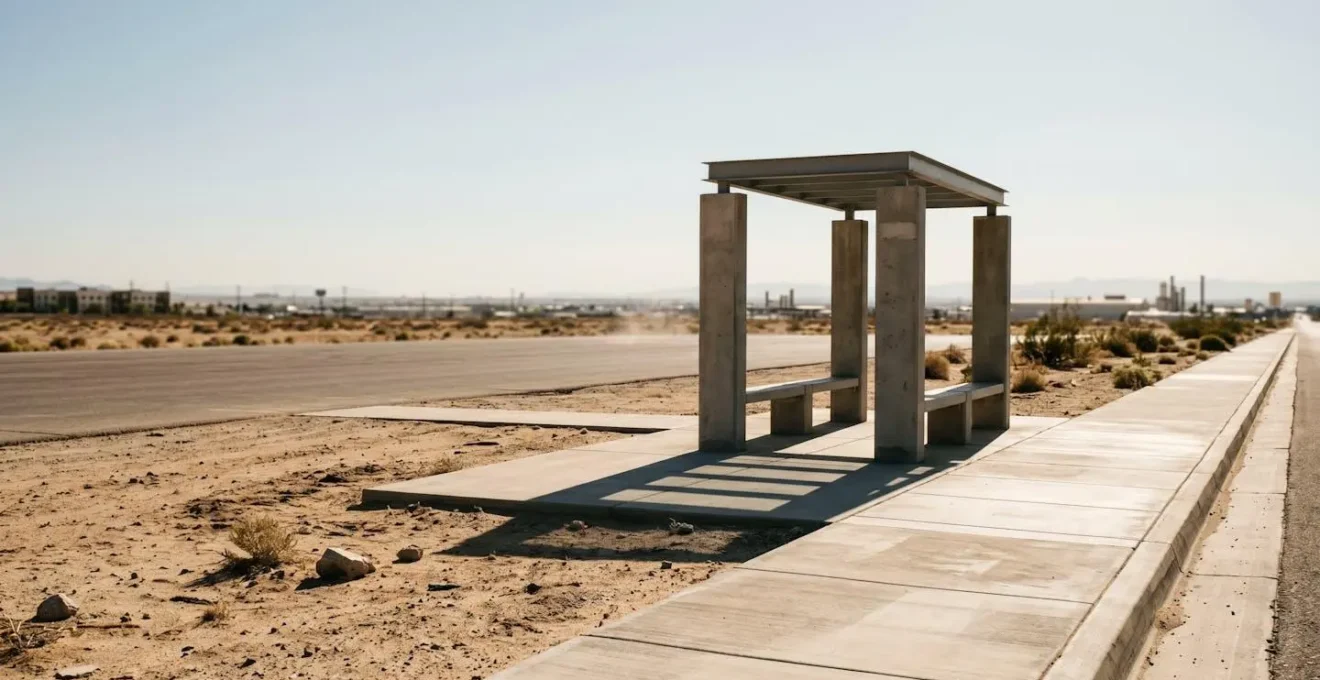
The image below illustrates the reality of choosing the cheapest option without a proper timing strategy. Waiting for a bus in the blazing afternoon sun can sap your energy before you even begin shopping, compromising your decision-making and endurance.
A smart inspector analyzes all available intelligence to make the optimal choice based on cost, time, and energy preservation. This requires a careful review of the pros and cons of each method. The following table serves as your intelligence briefing for this critical decision.
This comparative analysis from the outlet’s own transit information shows the clear trade-offs between cost and convenience.
| Transport Option | Cost (One-Way) | Door-to-Door Time from Mid-Strip | Key Advantages | Key Drawbacks |
|---|---|---|---|---|
| Deuce Bus + Route 401 Transfer | $6 (2-hour pass) / $8 (24-hour pass) | ~35-45 min (includes transfer at Bonneville Transit Center) | Lowest cost; 24/7 service; air-conditioned | Requires transfer; longer journey; 15-20 min wait times |
| RTC Route 108 (Direct from certain stops) | $2 single ride / $5 (24-hour pass) | ~25-35 min (varies by pickup point) | Direct route from some Strip locations; affordable | Limited Strip pickup points; frequency varies |
| Uber/Lyft (Rideshare) | $15-25 (surge pricing can double) | ~10-15 min (traffic dependent) | Direct door-to-door; no walking through casinos; climate-controlled | Highest cost; surge pricing; pickup location restrictions on Strip |
| One-Day Car Rental (Turo/Hotel Desk) | $35-50/day (amortized over multiple uses) | ~10 min drive | Secure storage for purchases; flexibility for multiple stops; break-even at 2-3 trips | Parking navigation; potential outlet parking congestion |
Consider a one-day car rental. While the upfront cost seems higher, it provides a secure, air-conditioned « base of operations » to store your acquisitions and offers the flexibility to visit other off-strip locations, effectively amortizing the cost over multiple activities.
North or South Outlets: Which Has the Better High-End Brands?
A common point of confusion for visitors is the existence of two « Premium Outlets » in Las Vegas. They are not interchangeable. Choosing the right one is a strategic decision that depends entirely on your mission objectives: brand acquisition versus comfort and efficiency. This is a classic trade-off between selection and environment.
The North Premium Outlets is the open-air, upscale village with the superior roster of true luxury brands. If your targets include Burberry, Versace, or David Yurman, this is your primary destination. However, its outdoor design makes it a battlefield against the elements. The South Premium Outlets is a fully enclosed, climate-controlled traditional mall. While it has fewer exclusive luxury brands, it offers a more comfortable and efficient shopping experience, making it a better choice for shoppers focused on mainstream brands or those visiting during peak heat.
Case Study: The North Outlets’ Luxury vs. Climate Trade-Off
The Las Vegas North Premium Outlets markets itself as the city’s ultimate destination for luxury outlet shopping, boasting an impressive lineup of over 60 market-exclusive brands that you won’t find at the South location. This concentration of high-end retailers like Versace and Burberry is its primary strategic advantage. However, this advantage comes at a significant cost to the shopper’s physical comfort. The open-air village layout means that navigating between stores requires walking outdoors, exposing shoppers to desert temperatures that frequently exceed 110°F (43°C) in the summer. In contrast, the South Outlets, with its climate-controlled indoor environment, prioritizes shopper endurance and efficiency over brand exclusivity, making it a safer bet for a prolonged shopping session in July.
Therefore, the inspector’s choice is clear: brave the environmental hazards of the North Outlets for high-value targets, or opt for a less ambitious but more sustainable mission at the South Outlets. There is no universally « better » option, only the one that best aligns with your strategic goals and tolerance for physical hardship.
The Danger of Shopping Open-Air Outlets in July Afternoons
Do not underestimate the Las Vegas sun. It is not merely an inconvenience; it is an active adversary that can end your shopping mission prematurely. With an average of 77 days per year over 100°F (38°C), treating a summer visit to the North Outlets like a trip to a typical mall is a critical error. Heat exhaustion is a real and present danger, leading to dizziness, fatigue, and poor decision-making—the last things you want when trying to assess the quality of a potential purchase.
Waging environmental warfare against the heat requires a multi-pronged strategy. Your first and most effective weapon is timing. Arriving before 10 AM or after 6 PM allows you to operate in more favorable conditions. Hydration is not optional; you must proactively drink water even when you don’t feel thirsty. Your clothing choices—light-colored, breathable fabrics and a wide-brimmed hat—are your personal armor against UV radiation.

Furthermore, you must plan your route tactically. Instead of wandering randomly, map your path to utilize the large anchor stores like Nike or the Cheesecake Factory area as designated air-conditioned cooling zones. Spend time in these larger stores to bring your body temperature down before venturing back into the outdoor corridors. Recognizing the early signs of heat exhaustion—heavy sweating, paleness, dizziness—is crucial. If you or a companion experience these, immediately seek a cool indoor space and hydrate. This isn’t just shopping advice; it’s a safety protocol.
By treating the heat as a predictable threat and implementing these countermeasures, you ensure that your physical well-being and mental acuity are maintained, allowing you to stay focused on the primary objective: value extraction.
When to Park at North Outlets to Avoid the Traffic Jam from Hell?
The final battle of your outlet mission is the exfiltration. You’ve navigated the stores, inspected the merchandise, and secured your deals. The last thing you want is to be trapped in a gridlocked parking garage for 45 minutes. Parking at the North Outlets is not just about finding a spot; it’s about planning your escape route.
The layout is complex, with multiple structures serving different zones. A critical piece of intelligence is that the South Garage is your key to a swift exit. It provides the most direct access to the on-ramps for southbound I-15, which is the direction most tourists are heading back to the Strip. Parking in a different garage might seem more convenient for your first stop, but it can add significant time to your departure during peak hours (weekends and late afternoons).
For those willing to invest in a tactical advantage, the valet service should be viewed not as a luxury, but as a strategic tool. For a fee, you can utilize the ticketless valet near the Cheesecake Factory. The key feature is the ability to request your car up to 10 minutes in advance via a digital system. This allows you to bypass the main exit flow entirely, turning a potentially long wait into a seamless departure. This is the vehicular equivalent of a VIP pass, and for a tired shopper with arms full of bags, it can be worth every penny.
Therefore, your parking decision should be made before you even arrive. Assess your planned route and ending point. If your final stops are near the Nike store, the South Garage is the logical and superior choice. If you value your time above all else, the valet is your most effective tactic for a clean getaway.
Why a Monorail Pass is Cheaper Than Two Uber Rides?
The principle of avoiding the « tourist tax » extends beyond the outlets. Getting around the Las Vegas Strip itself is an exercise in logistical planning. While Uber and Lyft seem convenient, their costs add up deceptively quickly, especially with surge pricing. A single round trip from your hotel to another casino can easily cost more than a 24-hour Monorail pass. According to the Monorail’s own analysis, the average base cost for a 4-mile Uber trip on the Strip is $14.40, and that’s before the inevitable surge pricing during peak hours.
The Las Vegas Monorail, which runs along the east side of the Strip, offers a far more cost-effective solution for linear travel. A 24-hour pass provides unlimited rides, allowing you to hop between major resort areas like MGM Grand, Flamingo, and the Las Vegas Convention Center for a single flat fee. While it does require more walking through casinos to get to and from the stations, the financial savings are substantial for anyone planning more than one trip in a day.
The following data provides a clear cost-benefit analysis, demonstrating the economic superiority of the Monorail for most common Strip travel scenarios.
| Scenario | Monorail Cost | Uber/Lyft Cost | True Time Comparison | Winner |
|---|---|---|---|---|
| Single Strip Trip (e.g., MGM to Flamingo) | $5.50 (e-ticket single ride) | $14-25 (surge dependent) | Monorail: ~5 min ride + 10 min walk through casino = 15 min total Uber: 12 min + pickup wait/walk to designated area = ~15-20 min |
Monorail (cost) |
| Two Round Trips in One Day | $13.45 (24-hour e-ticket pass) | $56-100 (4 rides with surge) | Monorail consistent; Uber variable surge pricing | Monorail (major savings) |
| Convention Center to Strip Hotel | $5.50-$13.45 | $15-22 | Monorail: Direct LVCC station access Uber: Must navigate to rideshare pickup zone |
Monorail (convenience + cost) |
The monorail’s only significant drawback is its route; it doesn’t serve the west side of the Strip (where hotels like Bellagio and Caesars Palace are located) or go downtown. For those destinations, a rideshare is necessary. But for any travel up and down the eastern corridor, the Monorail is the undisputed champion of value.
Wheel of Fortune vs. Generic Reels: Which Has the Better RTP?
The inspector’s mindset of value extraction should not end when you leave the retail floor. It applies equally to the casino floor. When choosing a slot machine, most people are drawn to familiar, flashy brands like Wheel of Fortune, Monopoly, or The Price is Right. This is a psychological trap, akin to grabbing the Coach bag with the big logo without checking the creed patch.
These branded games come with a hidden cost: a lower Return to Player (RTP). RTP is the percentage of all wagered money that a slot machine will pay back to players over time. To license a big brand name like Wheel of Fortune, the slot manufacturer (IGT) pays a significant fee. This cost is often passed on to the player in the form of a slightly lower RTP compared to a « generic » in-house game developed by the manufacturer. The casino knows that the entertainment value and brand recognition of the licensed game will attract players regardless of the slightly worse odds.
The same critical eye you use to inspect a Kate Spade tag should be applied to the slot machine you choose. Are you paying a premium for branding and entertainment, or are you seeking the best possible mathematical value? A « generic » video reel slot with a fantasy or historical theme you’ve never heard of might have an RTP of 96%, while the big-name branded game next to it might be set at 94%. While this seems like a small difference, over thousands of spins, it has a significant impact on your bankroll. The branded game offers a more engaging « experience, » but the generic game often offers better value.
This doesn’t mean you should never play branded slots. They are often more fun and have more elaborate bonus rounds. But as a discerning inspector, you should do so with full knowledge of the trade-off you are making: you are sacrificing a small amount of potential return for a more entertaining experience.
Key Takeaways
- Outlet merchandise is not the same as retail; mastering the art of inspecting tags for factory markers is non-negotiable.
- Transportation and parking are strategic choices that impact your entire budget and schedule; they are not afterthoughts.
- The Las Vegas heat is a serious operational threat that must be countered with a tactical plan involving timing, hydration, and route management.
Retail Therapy: How to Shop the Strip Without Paying Tourist Prices?
The ultimate goal of a value-seeking inspector is to avoid the « tourist tax » in all its forms. This applies not just to the outlets but to shopping on the Strip itself. The boutiques inside the high-end casinos are beautiful, but they operate on a pricing model designed for convenience-driven, price-insensitive tourists. A savvy shopper knows there are better options.
Your first move is to look beyond the Strip. Malls like Fashion Show (directly on the Strip but functions as a regular mall), Downtown Summerlin, and Town Square offer many of the same anchor stores (Macy’s, Nordstrom, Apple) but with normal sales cycles, easier parking, and a clientele of locals who demand competitive pricing. For unique souvenirs, bypass the generic gift shops selling airport-quality trinkets. Instead, explore the boutiques in the Arts District or the gift shops at the Neon Museum or Mob Museum for mementos with genuine local character and a story to tell.
If you must shop within the casinos, do so strategically. Leverage the casino loyalty programs. Points earned from gambling, dining, and hotel stays at MGM Resorts or Caesars Entertainment properties can often be converted into « Retail Credits, » providing a direct discount at their in-house boutiques. This is one of the few ways to get a legitimate discount on full-priced luxury goods on the Strip.
- Off-Strip Malls Strategy: Visit Downtown Summerlin, Town Square, or Fashion Show Mall for the same brands with regular sales and local pricing.
- Casino Loyalty Conversion: Use MGM Rewards or Caesars Rewards points for ‘Retail Credits’ to get discounts at in-casino boutiques.
- Authentic Local Shopping: Explore the Arts District boutiques or museum gift shops (Neon, Mob Museum) for unique, story-rich mementos.
- Premium Outlet Timing: Apply the principles of this guide at the North Outlets for legitimate brand discounts, always being mindful of the quality trade-offs.
- Climate-Controlled Alternative: Opt for the South Premium Outlets for an indoor shopping experience if your target brands are available there, especially during summer.
By expanding your operational area and applying these intelligence-based strategies, you can enjoy a full retail therapy experience across Las Vegas without ever paying the full, undiscounted tourist price.