
The secret to finding raw, uncensored comedy in Vegas isn’t in the headliner’s name, but in understanding the industry’s hidden rules that create the conditions for it.
- The best laughs are a byproduct of a comedy ecosystem where late shows, intimate venues, and specific audiences give comedians permission to be unfiltered.
- Marketing terms like « edgy » are often misleading; real indicators are showtimes, age restrictions, and a club’s singular focus on comedy.
Recommendation: Ditch the big-name headliner lottery. Instead, use the « Red Flag/Green Flag » system to vet shows and attend a late-night showcase at an off-Strip or Fremont Street club for a genuinely raw experience.
You bought the ticket. You sat through 75 minutes of jokes you’ve already half-heard on a polished Netflix special, delivered by a comedian who feels more like a celebrity making an appearance than a hungry artist working a room. This is the common Vegas comedy experience, and it’s a universe away from the gritty, live-wire energy that makes stand-up a vital art form. The problem isn’t the comedians; it’s that you’re looking in the wrong places, using the wrong map.
Most guides will give you a top-ten list of casino showrooms and tell you to book tickets in advance. As someone who books comedy clubs for a living, let me pull back the curtain. Finding truly uncensored, unpredictable, and hilarious comedy isn’t about picking a famous name from a marquee. It’s about understanding the comedy ecosystem itself—the hidden mechanics of the business that dictate a comedian’s freedom to be raw, to experiment, and to potentially bomb in glorious pursuit of a new bit. The two-drink minimum isn’t just a bill; it’s a business model. The showtime isn’t just a schedule; it’s a filter for the audience.
This guide will teach you how to read these signs. We’re not just listing clubs; we’re giving you the booker’s playbook. You’ll learn to distinguish a genuinely edgy showcase from a « Vegas-style adult humor » trap, why the front row isn’t always the danger zone, and how the city’s geography itself separates the manufactured fun from the authentic chaos. By the end, you won’t just find a better comedy show; you’ll understand why it’s better.
To navigate the vibrant and often chaotic world of Vegas comedy, it’s essential to understand its underlying structure. The following sections break down the key decisions and environmental factors that separate a forgettable night out from a legendary one.
Summary: A Booker’s Guide to Uncensored Vegas Comedy
- Why Do Comedy Clubs Require a « Two Drink Minimum » on Top of Tickets?
- Headliner Theater vs. Dingy Club Showcase: Which is Funnier?
- Front Row or Back Booth: Where is Safe from Crowd Work?
- The Mistake of Booking a « Family Friendly » Show When You Wanted Edgy
- When to Go: Why the Late Show is Always Raunchier Than the Early Show?
- The Strip vs. Fremont Street: Which Offers the Best People-Watching?
- Comedy Magic vs. Gothic Illusion: Which Represents the Modern Vegas?
- Exclusive Entertainment: How to Get Past the Velvet Rope Without Buying a Bottle?
Why Do Comedy Clubs Require a « Two Drink Minimum » on Top of Tickets?
Let’s get this out of the way. The two-drink minimum isn’t a scam to fleece tourists; it’s the fundamental economic engine of the entire stand-up comedy industry. For most clubs, especially the smaller ones where real, unfiltered comedy thrives, ticket sales are a low-margin business. They often go largely to paying the talent and marketing the show. The real profit, the money that keeps the lights on and allows the club to take a chance on a lesser-known, edgier comic, comes from the bar. In fact, for many venues, 50-70% of total revenue comes from food and beverage sales, which carry significantly higher profit margins than tickets.
Thinking of it this way, your ticket buys the comedian’s time, but your drinks buy the continued existence of the stage they’re standing on. It’s the business model that subsidizes the art. A club that can rely on bar sales is a club that doesn’t have to book only the safest, most commercial-friendly acts to guarantee ticket revenue. So, in a weird way, that overpriced gin and tonic is your investment in raw, uncensored comedy. It’s the silent partner in every great joke you hear.
That doesn’t mean you can’t be smart about it. The rule is often more flexible than its name implies. Here are a few ways to manage the minimum without feeling taken:
- Ask about non-alcoholic options: Most clubs happily count soft drinks, juices, and even bottled water toward your minimum.
- Check for food substitutions: Many venues now call it a « two-item minimum, » meaning appetizers can count. One drink and a plate of fries is often a better value than two weak cocktails.
- Order premium non-boozy drinks: If they have craft sodas or mocktails, these often count and provide a better experience than a standard soda.
- Know the penalty: If you order nothing, don’t be surprised to see a charge for two of the cheapest items on the menu automatically added to your bill.
Headliner Theater vs. Dingy Club Showcase: Which is Funnier?
This is the central choice every comedy fan in Vegas faces: the guaranteed quality of a famous headliner in a plush theater versus the high-risk, high-reward chaos of a multi-comic showcase in a cramped club. One offers a polished product; the other offers a raw experience. As a booker, I see them as two entirely different food groups. A headliner show is a perfectly executed steak dinner. A showcase is a tasting menu where one dish might be sublime, another might be a disaster, and a third might be something you’ve never tasted before.
A headliner playing a large casino theater is performing their A-game material. It’s the tight, proven, 90-minute set they’ve honed over years, the one that got them the TV special. The risk is low, the production value is high, and you’ll get exactly what you paid for. The audience is often polite, reserved, and full of tourists. It’s comedy as a refined product. In contrast, a showcase club is a comedy laboratory. It’s where five or more comics, often headliners themselves, perform shorter 15-20 minute sets. This format is the lifeblood of the art form.
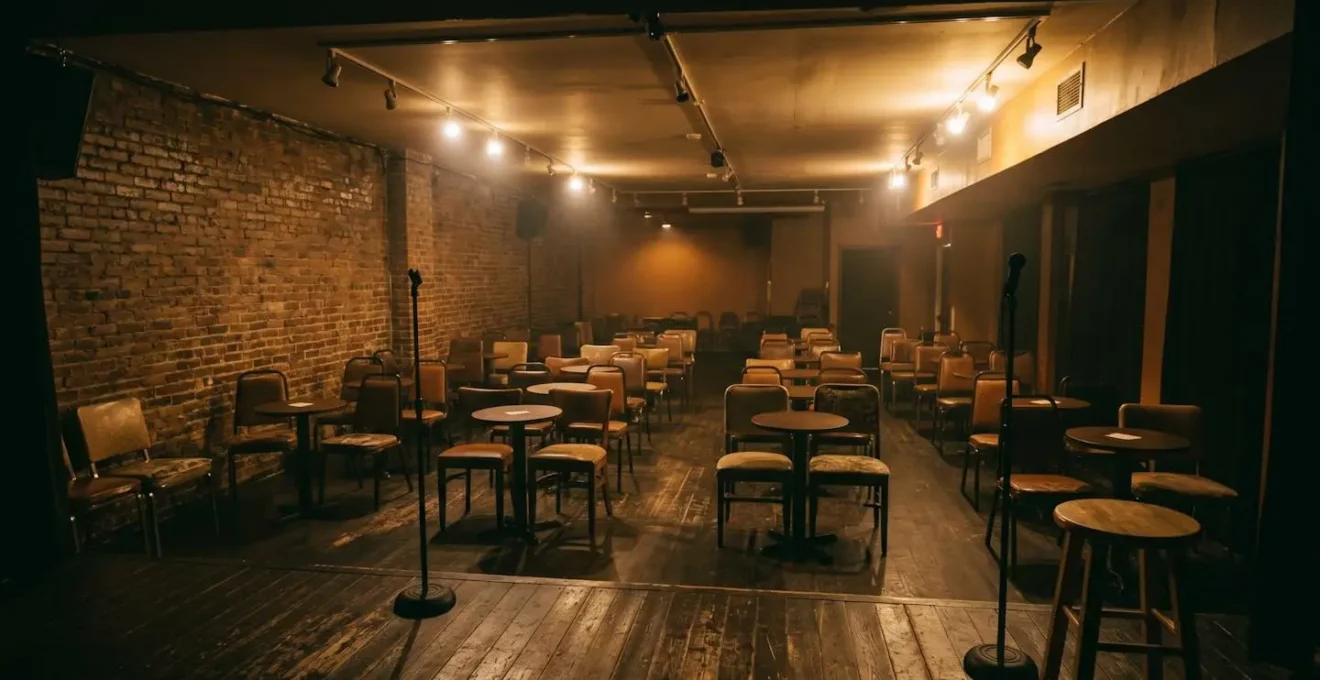
The energy in these small, intimate rooms is electric, fueled by a crowd of genuine comedy enthusiasts. It’s where famous comedians drop in unannounced to work on new, untested material—the jokes that are too new, too weird, or too risky for their polished headliner set. You might see a star bomb with a new idea, or you might witness the birth of a classic bit. It’s unpredictable, intimate, and unfiltered. For the fan seeking the gritty energy of live creation, the showcase club is, without question, funnier in its potential for surprise and discovery. The following table breaks down this risk/reward matrix.
This decision matrix, based on lineups at top Vegas venues, illustrates the fundamental trade-off. For fans of a specific comedian or those seeking a safe bet, the headliner theater is ideal. For comedy purists seeking discovery and the raw energy of creation, the showcase club is the only real choice. This is where you find the real, uncensored pulse of the city’s comedy scene, as confirmed by data from top showcase clubs like the Comedy Cellar.
| Factor | Headliner Theater (e.g., Caesars Palace) | Showcase Club (e.g., Comedy Cellar) |
|---|---|---|
| Format | 1 comedian, 60-90 minute polished set | 5 headliners doing 15-20 minute sets each |
| Material | Rehearsed, proven hour from TV specials | Mix of tested bits + new experimental material |
| Seating Capacity | 300-1,000+ seats | 100-300 seats (intimate setting) |
| Ticket Price Range | $50-$150+ | $30-$60 |
| Risk Factor | Low risk – guaranteed quality | Higher risk – variety of styles, potential for surprises |
| Drop-In Potential | Rare (contracted show) | High – famous comics test new material late-night |
| Audience Energy | Polite, reserved, tourist-heavy | Engaged, alcohol-fueled, comedy enthusiasts |
| Best For | Fans of specific comedian, safe choice | Comedy purists, discovery, raw experience |
Front Row or Back Booth: Where is Safe from Crowd Work?
The fear is palpable. You see the comedian lean over the stage, microphone in hand, and scan the first few rows. You sink in your chair, avoiding eye contact, praying they don’t ask what you do for a living. This is the classic, misguided approach to crowd work. The truth is, there is no truly « safe » seat in an intimate comedy club. But more importantly, you shouldn’t be looking for one. Crowd work isn’t an attack; it’s a conversation. It’s the comedian’s way of making the show unique to that room, that night. As an industry insider puts it, it’s a multi-step process of connection: a prominent comedy instructor noted that « Crowd work is first about listening, then diagnosing, then responding. »
Comedians aren’t looking for victims; they’re looking for partners. They scan the audience for someone who looks engaged, fun, and willing to play along. The person staring at their phone or scowling in the corner is far less likely to be chosen than the person smiling and making eye contact in the middle of the room. The front row isn’t a « kill zone » by default. If you’re with a bachelorette party wearing matching sashes, yes, you’re a target. But if you’re just a normal person, your seat location is less important than your vibe. The real danger isn’t being picked; it’s being a bad sport when you are.
Instead of trying to hide, the pro move is to learn how to be a good subject. The audience respects someone who can take a joke, and the comedian will often reward a good interaction by making you look like a hero. It’s about shifting your mindset from potential victim to potential co-star of a memorable, unscripted moment. Being a good participant is a skill, and it guarantees a better show for everyone.
Your Action Plan: How to Be the Perfect Crowd Work Subject (Not a Victim)
- Make eye contact and smile: Comedians choose engaged audience members who look like they want to participate. This is the single biggest factor.
- Answer clearly and concisely: Don’t try to be funny yourself. Give short, honest answers and let the professional on stage do the heavy lifting.
- Be authentic: The funniest moments come from genuine responses, not what you think the comedian wants to hear. Don’t invent a cooler job.
- Roll with the punches: If the comedian roasts you, laugh along. The audience’s energy is on your side if you’re a good sport.
- Use the ‘Yes, And’ principle: Affirm what the comedian says. If they follow up, add one simple detail. This keeps the conversation moving and gives them more to work with.
The Mistake of Booking a « Family Friendly » Show When You Wanted Edgy
In Vegas, words on a flyer can be dangerously misleading. « Adult humor » rarely means adult. « Naughty » means PG-13. « Saucy » means you’ll probably hear a Viagra joke from 1998. If you’re on the hunt for genuinely uncensored, sharp-edged comedy, you must learn to ignore the marketing adjectives and instead become an expert at reading the structural clues of a show. The biggest mistake is taking the descriptions at face value. A truly edgy show rarely needs to advertise itself as such; its reputation and format do the talking.
The first and most important filter is the age restriction. A show that is truly 18+ or, even better, 21+ only, is making a deliberate choice to exclude a younger audience, giving the comedian a much wider field to play in. If a show allows teenagers, it’s a clear signal that the material will be kept within certain bounds. Another critical sign is the show’s start time. Any comedy show with a matinee performance (a 2 PM or 4 PM slot) is catering to families and early-bird tourists, full stop. The material will be broad and safe. The real, unfiltered comedy doesn’t even think about waking up before 9 PM.
Finally, look at the venue itself. A dedicated comedy club that only does stand-up is a much better bet than a multi-purpose showroom that hosts a magic act in the afternoon and a tribute band on weekends. Specialization breeds authenticity. A true comedy club has a specific vibe, an intimate layout, and an audience of regulars who know the score. They don’t need gimmicks, just a microphone, a stool, and a comic with something to say. To find the real thing, use this system to cut through the noise:
- Green Flag #1: Show starts at 10 PM or later. Late shows are consistently raunchier.
- Green Flag #2: Strict 18+ or 21+ only age restriction. This is a non-negotiable sign of adult content.
- Green Flag #3: Website has an explicit content warning. If they take the time to warn you about ‘strong language’ and ‘adult themes,’ it’s a promise.
- Green Flag #4: The venue is in a basement or off-Strip. Authenticity thrives away from the corporate polish of casino showrooms.
- Red Flag #1: The show has matinee performances. This is the clearest sign of a family-friendly tourist show.
- Red Flag #2: Marketing uses words like ‘cheeky’ or ‘naughty.’ These are euphemisms for tame.
- Red Flag #3: It’s described as ‘Vegas-style adult humor.’ This is code for PG-13 innuendo.
- Red Flag #4: The venue also hosts variety acts or magic. A jack-of-all-trades showroom is a master of none.
When to Go: Why the Late Show is Always Raunchier Than the Early Show?
In the world of stand-up, not all showtimes are created equal. You can have the exact same comedian and the exact same venue, but the 7 PM show and the 10 PM show will be two completely different animals. While Vegas.com show scheduling data shows most comedy shows run between 7:00 PM and 10:00 PM, the experience within that window varies dramatically. The reason the late show is consistently raunchier, more experimental, and ultimately funnier for the comedy purist has everything to do with a phenomenon I call the « audience filter effect. »
The early show crowd is a mixed bag. It’s full of tourists trying to squeeze in a show before a dinner reservation, couples on a conventional date night, and people who are generally just looking for some light entertainment. They are a passive audience. They need to be won over, and a comedian knows that pushing the boundaries too early might alienate a significant portion of the room. The material is often tighter and safer, designed to appeal to the broadest common denominator.
The late show audience, by contrast, is self-selecting. They are the night owls, the serious comedy fans, the people who have already had dinner and a few drinks and are now actively seeking out a more intense experience. They chose to be there at that hour. This act of choice creates an implicit contract with the comedian: « We’re here for the real stuff. Don’t hold back. » This audience is an active participant. They lean in, their energy is higher, and their laughter is louder. This creates a feedback loop, giving the comedian the confidence and permission to take bigger risks, explore darker premises, and test out their newest, most unpolished material. The late show isn’t just later; it’s a fundamentally different performing environment.
Case Study: Comedy Cellar’s Two-Show Format and the ‘Audience Filter Effect’
The Comedy Cellar at Rio Las Vegas perfectly illustrates this principle. They run two nightly showcases at 7:00 PM and 9:30 PM, often with the same lineup of five headliner-level comics. However, the late show consistently attracts a more dedicated crowd of comedy fans. This « audience filter effect » gives comedians implicit permission to push boundaries and test riskier material without fearing they will alienate the mainstream tourists who dominate the 7 PM slot. The early crowd is often squeezing in a show before other plans, while the late crowd is there *specifically for the comedy*, creating a feedback loop where comedians feel liberated to be more experimental, personal, and ultimately, uncensored.
The Strip vs. Fremont Street: Which Offers the Best People-Watching?
Your Vegas comedy experience doesn’t begin when the host hits the stage; it begins the moment you step out of your cab. The pre-show atmosphere, the energy of the street, and the absurdity of the people around you all serve as the perfect appetizer for a night of laughs. This is where the geographical choice between The Strip and Fremont Street becomes critical. While both offer world-class people-watching, they offer two completely different flavors of humanity, and one is far more aligned with the soul of raw, unfiltered comedy.
The Strip is a theater of corporate excess and manufactured luxury. The people-watching is about high-fashion disasters, influencer photo-ops in the wild, and bachelor parties performing a loud, clumsy facsimile of fun. It’s absurd, but it’s a sanitized, staged absurdity. The environment is clean, controlled, and designed for mass consumption. The comedy clubs here, often located deep within casino labyrinths, reflect this. They are branded, professional, and deliver a reliable but often predictable product.
Fremont Street, on the other hand, is a celebration of raw, unscripted chaos. This is where you find the street performers, the genuine eccentrics, the grizzled locals, and the unvarnished characters that make Vegas truly Vegas. The people-watching isn’t staged; it’s the beautiful, messy, and hilarious spectacle of real life. The air itself feels more authentic. The comedy here follows suit. Venues are often smaller, grittier, and located in basements or intimate lounges. They feature up-and-coming talent and a style of comedy that is as unfiltered as the street life outside. For a comedy connoisseur, Fremont isn’t just a place to see a show; it’s an essential part of the experience, a perfect immersion into the kind of human absurdity that fuels the best stand-up.
The choice of location directly impacts the type of comedy you’re likely to find. The polished environment of The Strip supports polished acts, while the raw energy of Fremont Street is the natural habitat for raw comedy. This table compares the two comedy ecosystems.
| Aspect | The Strip | Fremont Street |
|---|---|---|
| Venue Type | Large casino showrooms, branded clubs (Comedy Cellar, Jimmy Kimmel’s) | Intimate lounges, basement venues (Downtown Comedy Lounge at Neonopolis) |
| Comedy Style | Polished, professional, big-name headliners | Gritty, unfiltered, up-and-coming talent |
| Crowd Absurdity | Corporate excess, manufactured luxury, staged ‘fun’ | Raw humanity, genuine chaos, unscripted weirdness |
| Ticket Price | $40-$80 average | $20-$40 average |
| People-Watching Quality | High fashion disasters, bachelor parties, influencer photo ops | Street performers, eccentrics, locals, authentic Vegas characters |
| Pre-Show Atmosphere | Sanitized entertainment district | Unfiltered ‘uncensored’ street life – perfect comedy appetizer |
| Best For | Guaranteed quality, recognizable names | Discovery, authenticity, raw comedy experience |
Comedy Magic vs. Gothic Illusion: Which Represents the Modern Vegas?
Vegas was built on spectacle, and magic has always been at its heart. But the form has evolved. The classic, sequined, « gothic illusion » show with its mysterious incantations and dramatic reveals feels like a relic of an older city. The modern Vegas, much like modern comedy, is more interested in deconstruction and truth-telling, even when that truth is an illusion. This is where comedy magic, particularly the kind pioneered by acts like Penn & Teller, has come to represent the city’s contemporary soul.
Gothic illusion relies on the audience’s willing suspension of disbelief. The magician’s power comes from what they conceal. Comedy magic, in its most sophisticated form, does the opposite. It builds a connection with the audience through intellectual honesty. These performers aren’t just doing tricks; they’re commenting on the nature of illusion, deception, and perception itself. They often break the magician’s code by revealing *how* a trick is done, only to perform a much more astonishing feat right after. This act of revealing the mechanics is a profoundly « uncensored » approach to the art form.
This mirrors the exact appeal of raw stand-up comedy. A great comedian exposes the uncomfortable truths behind social conventions, relationships, and our own absurd behaviors. A great comedy magician exposes the intellectual sleight-of-hand behind what we perceive as reality. Both art forms strip away pretense to get at a deeper, more interesting truth. For the fan who appreciates a comedian for their sharp, honest take on the world, the deconstructive approach of modern comedy magic offers a parallel satisfaction. It’s entertainment that respects the audience’s intelligence, which is the most « modern » idea of all.
Case Study: Penn & Teller as ‘Uncensored Truth-Tellers’
Penn & Teller’s long-running show is a masterclass in this philosophy. Their entire act is an « uncensored look at truth » behind entertainment. By frequently revealing the mechanics of their illusions, they deconstruct the artifice of magic while simultaneously creating a deeper sense of wonder. As one guide notes, they expertly combine sophisticated magic with irreverent humor and political commentary. This approach resonates deeply with fans of stand-up who appreciate artists who expose uncomfortable truths. For comedy connoisseurs, Penn & Teller’s revelation of magic’s mechanics provides the same satisfaction as a comedian revealing a societal hypocrisy—both acts strip away pretense to reveal a fascinating truth, as documented in guides to the best comedy shows in Las Vegas.
Key takeaways
- For raw, unfiltered comedy, the late show (10 PM or later) is non-negotiable due to the « audience filter effect. »
- The venue’s economics (drink minimums) and location (Fremont Street) are better predictors of an edgy show than any marketing slogan.
- The best way to handle crowd work is to be an engaged, willing participant; hiding is for amateurs.
Exclusive Entertainment: How to Get Past the Velvet Rope Without Buying a Bottle?
You’ve mastered the basics. You know to pick the late showcase on Fremont Street, you understand the economics of the drink minimum, and you’re ready to be a great crowd work subject. Now it’s time for the graduate-level course: accessing the truly exclusive entertainment, the secret shows and surprise drop-in sets that aren’t on any public schedule. In the comedy world, the velvet rope isn’t about bottle service; it’s about information. Getting past it means knowing where to look and who to listen to.
The best moments in Vegas comedy are unannounced. They happen when a major headliner, after finishing their sold-out theater show, heads to a tiny 80-seat club at 1 AM to work on five minutes of brand-new, raw material in front of a handful of hardcore fans and other comics. These « secret shows » are the holy grail for comedy purists. They are never advertised in traditional media. Access comes from being embedded in the local comedy scene’s digital channels. Following local comedy producers and the clubs themselves on social media is the first step. They’ll often post about a surprise guest a few hours, or even minutes, before they go on stage.
The next level is to befriend the gatekeepers—the club staff. Bartenders, servers, and door guys are the most reliable sources of intel. They know which nights big names tend to drop by and can often give you a heads-up. Hanging out at the club’s bar after a show, or at the known comedian-hangout dive bars nearby, can also lead to impromptu performances. Ultimately, finding this exclusive entertainment requires shifting from a passive ticket-buyer to an active participant in the scene. It takes effort, but the payoff—witnessing a comedy legend workshopping a new bit in a room the size of a garage—is a story you’ll tell for years.
- Strategy #1: Follow local Vegas comedy producers on Instagram and Twitter. They announce last-minute secret shows and surprise drop-ins 2-4 hours before showtime.
- Strategy #2: Join Vegas comedy Facebook groups and Reddit communities (r/vegaslocals). Locals share intel about unannounced late-night showcases.
- Strategy #3: Befriend comedy club staff. They know when big names plan to work out new material at small venues after their main show.
- Strategy #4: Check the late-night schedule (midnight-2 AM) at intimate venues like Downtown Comedy Lounge. This is when the real ‘secret shows’ happen.
- Strategy #5: Hang around comedy club bars after shows end. Comedians often congregate at specific off-Strip bars where impromptu performances occur.
- Strategy #6: Sign up for club email lists. They occasionally offer ‘industry night’ tickets for service industry workers, which are often the best shows.
- Strategy #7: Attend open mics at smaller venues. Headline comics frequently drop in unannounced to test 5-10 minutes of raw material.
Now you have the booker’s playbook. You understand the hidden language of the comedy club and the invisible forces that shape a show. Stop being a passive tourist consuming a pre-packaged product. Start being an active comedy connoisseur on the hunt for the real thing. Go find the show that wasn’t meant for everyone—that’s where the best laughs are hiding.