

The secret to finding a great magic show isn’t just reading reviews—it’s learning to spot the subtle markers of artistic integrity that separate masters of illusion from tired entertainers.
- Mentalism and close-up magic often provide a more sophisticated and impactful experience for adults than large-scale, prop-heavy illusions.
- Signs of a dated act include clichéd marketing, a lack of recent performance footage, and classic tricks performed without a modern reinterpretation.
Recommendation: Prioritize the synergy between the magic style and the venue size; an intimate act in a small theater will almost always deliver a stronger connection.
The search for a truly great magic show is fraught with peril. For every breathtaking performance that challenges your perception of reality, there are a dozen that feel like a rehash of a 1990s television special, complete with sequined vests and an over-reliance on colorful birds. You want to be captivated by sophisticated sleight of hand or mind-bending psychological illusion, but you fear ending up in an audience of children, politely clapping along to predictable tricks. This fear is what separates a casual ticket-buyer from a discerning spectator. While many simply look for famous names or discount tickets, the real key is to adopt the mindset of a critic.
Most advice revolves around reading reviews or checking the performer’s website, but this only scratches the surface. A truly memorable experience doesn’t come from spectacle alone, but from artistry, originality, and a deep understanding of audience psychology. It’s about recognizing the difference between a « box jumper »—a magician coasting on outdated illusions—and a true artist who has evolved their craft. This involves looking for specific clues: the type of magic they perform, the venue they choose, and even the font on their promotional poster. It requires an understanding that a circus-themed show might be for adults only, or that the most powerful moments often happen in the smallest rooms.
This guide will equip you with that critical framework. We will deconstruct the elements that constitute a world-class magic performance, moving beyond the obvious to give you the tools to identify genuine artistry. We’ll explore why certain styles of magic resonate more with adults, how to spot an act that hasn’t been updated in decades, and why the global capital of illusion offers lessons for audiences everywhere. By the end, you won’t just be choosing a show; you’ll be making an informed artistic selection.
To help you navigate this world of illusion with the discerning eye of a critic, we’ve structured this guide to cover every angle, from the psychological impact of different magic styles to the practical strategies for securing the best seats and prices.
Summary: World-Class Illusionists: How to Select a Magic Show That Isn’t Cheesy?
- Why Mentalism hits Harder Than Grand Illusion for Adult Audiences?
- How to Increase Your Chances of Being Picked for a Trick?
- Small Theater or Arena: Which Magic Style Fits Which Venue?
- The « Box Jumper » Fatigue: Signs a Magician Hasn’t Updated Their Act
- When to Check for Same-Day Discount Booth Tickets for Magic Shows?
- The Mistake of Booking a « Family Friendly » Show When You Wanted Edgy
- The Mistake of Thinking « Circus Theme » Means Kid-Friendly Amenities
- Vegas Magic Performances: Why is This City the Global Capital of Illusion?
Why Mentalism hits Harder Than Grand Illusion for Adult Audiences?
Grand illusion—the world of vanishing monuments and women sawn in half—relies on spectacle and engineering. It’s an external mystery. Mentalism, in contrast, turns the focus inward, creating an illusion that happens inside the audience’s own mind. For a discerning adult audience, this shift from « How did they do that? » to « How did they know that? » is profoundly more impactful. It trades visual bombast for psychological sophistication, creating a sense of personal connection and intellectual challenge that large-scale tricks can rarely match. The effect feels less like a puzzle to be solved and more like an experience to be analyzed.
The power of mentalism lies in its perceived authenticity. While we know a grand illusion is a trick, mentalism plays in the ambiguous space of psychology, body language, and influence. This ambiguity is where a sophisticated audience finds its footing. As Wikipedia contributors note, mentalists distinguish themselves by focusing on psychological experiences rather than traditional tricks. This approach resonates particularly well with professional and analytical minds. They appreciate the layered performance, attempting to deconstruct the methods while simultaneously being captivated by the effect. It engages the intellect, making the audience a participant in a high-stakes psychological game rather than a passive observer of a prop.
This is why mentalism thrives in more intimate settings, where subtle cues and direct interaction are paramount. The « impossibility » isn’t a helicopter appearing on stage; it’s the performer revealing a specific childhood memory or predicting a complex choice. This creates a lasting impression because the magic isn’t about the props—it’s about you. For adults weary of flashy distractions, an act that engages their intelligence and sense of self will always hit harder than one that simply dazzles their eyes.
How to Increase Your Chances of Being Picked for a Trick?
Being chosen to participate in a magic trick can elevate the experience from passive viewing to an unforgettable personal moment. However, the common impulse—waving frantically or shouting—is precisely what will get you overlooked by a seasoned performer. Magicians are scanning for the ideal volunteer, and their criteria are rooted in stage management and psychology. They are not looking for the most enthusiastic person, but the most receptive and reliable one. An overly eager participant can be seen as a liability—someone who might try to « help, » expose the method, or steal the spotlight.
To increase your chances, you must project an attitude of calm, engaged attentiveness. Sit upright, lean slightly forward, and maintain eye contact with the performer. Avoid crossing your arms or looking away. Your body language should communicate that you are present, intelligent, and respectful of the process. Think of it as a silent audition. The performer wants someone who will follow instructions clearly, react genuinely, and serve the overall effect without causing disruption. They are often looking for someone who appears representative of the audience—not too skeptical, not too gullible.

Dressing appropriately can also play a subtle role. Avoid overly flashy or distracting clothing. The goal is to be a good canvas for the magic, not to pull focus. Finally, location matters. Sitting in the front few rows or along an aisle seat makes you logistically easier to bring on stage. However, the most crucial factor remains your demeanor. Project quiet confidence and genuine interest, and you’ll become the type of participant a performer can trust to help create a moment of wonder for everyone.
Small Theater or Arena: Which Magic Style Fits Which Venue?
The choice between seeing a magic show in an intimate 300-seat theater versus a sprawling 2,000-seat arena is not just a matter of preference; it’s a decision that fundamentally defines the type of magic you will experience. There is a powerful synergy between a venue and a performance style, and a discerning critic understands that the best acts are those where the space perfectly serves the art. Grand illusion, with its large-scale props, pyrotechnics, and dramatic reveals, requires the physical depth and distance of an arena. The spectacle is designed to be seen from afar.
In contrast, close-up magic, sleight of hand, and mentalism thrive on proximity. Their impact is diluted by distance. The wonder of a flawlessly executed card manipulation or a startling mind-reading feat is lost when you’re watching it on a Jumbotron. Smaller theaters facilitate the crucial performer-audience connection that this style of magic depends on. As theater industry analysis reveals, smaller venues create more personal connections, whereas larger ones foster a more distant, observational relationship. An intimate space makes every member of the audience feel seen and transforms the show into a shared, collective experience.
This isn’t just a feeling; it’s a measurable phenomenon. A study on immersive theater found that intimate venue design significantly enhanced the collective emotional experience and promoted shared memory formation among audiences. The research noted that intimate spaces can increase engagement and emotional response. When a magician can make eye contact with everyone in the room, the stakes feel higher and the magic feels more personal. Therefore, when selecting a show, consider the style. If you want to witness breathtaking spectacle, an arena show may suffice. But if you seek artistry, nuance, and a genuine connection with the performer, a smaller theater is almost always the superior choice.
The « Box Jumper » Fatigue: Signs a Magician Hasn’t Updated Their Act
One of the greatest fears for a sophisticated audience is ending up at a show that feels dated—a performer coasting on tricks that were innovative three decades ago. This is the realm of the « Box Jumper, » an archetype for a magician whose act is defined by tired, large-scale illusions performed without a shred of modern reinterpretation. They represent artistic stagnation, a reliance on familiar props over creative evolution. Spotting these red flags before you buy a ticket is a core skill of a discerning critic.
The clues are often hiding in plain sight, long before the curtain rises. A magician’s promotional material is a primary indicator. Dated fonts (like Papyrus or clichéd script), grainy photos, and boastful but generic titles like « Master of the Impossible » are all warning signs of an act stuck in the past. In the digital age, a performer’s online presence is also telling. If their most recent high-quality video is from over a decade ago, or if their social media is just a barren landscape of ticket links, it signals a lack of current creative energy. A true artist is constantly refining their craft and is eager to share glimpses of that process.
The performance itself, even in preview clips, can reveal a lot. Listen to the music—is it dated pop or generic « epic » orchestral music that sounds like a stock track? Observe the patter—does the magician have the stiff, overly polished cadence of an 80s TV host? These stylistic choices are often as outdated as the tricks themselves. By learning to spot these signs of creative fatigue, you can avoid the disappointment of a show that feels more like a museum piece than a living, breathing work of art.
Your Audit Checklist: Spotting an Outdated Magic Act
- Marketing Materials: Check promotional materials for dated fonts, generic boastful titles (‘Master of the Impossible’), or low-quality graphics that signal a lack of creative evolution.
- Online Video Content: Review the performer’s online video library. Grainy footage from 10+ years ago or a complete absence of recent, high-quality clips indicates stagnation.
- Patter and Music Style: Analyze the performance style in clips. Dated pop music, generic orchestral tracks, or a 1980s TV host delivery are immediate warning signs.
- Stale Classic Tricks: Identify if the act relies on standard classics (e.g., Sawing a Woman in Half, Linking Rings) performed without any modern twist or reinterpretation.
- Social Media Activity: Examine the performer’s social media feed. If it only promotes ticket sales without showing any creative process, innovation, or personal engagement, the act has likely not evolved.
When to Check for Same-Day Discount Booth Tickets for Magic Shows?
While a discerning critic prioritizes quality over cost, a strategic purchase is also a mark of intelligence. The world of theater ticketing, especially in hubs like Las Vegas or New York, has a dynamic rhythm, and knowing when to look for discounts can yield significant savings without compromising on the quality of the show. The key is to understand supply and demand. Theaters want to fill seats, and their unsold inventory becomes a prime opportunity for savvy buyers, particularly for long-running, established shows.
Timing is everything. The highest demand is on Friday and Saturday nights. Consequently, the best opportunities for discounts are on traditionally slower days. According to Broadway ticketing data, Tuesdays, Wednesdays, and Thursdays offer the best chances for finding deals, especially for matinee performances. This is when theaters are most likely to release blocks of unsold tickets to same-day discount booths like TKTS.
These booths are a treasure trove for flexible theatergoers. They typically offer tickets for same-day evening shows and next-day matinees at 20-50% off the face value. However, you must manage your expectations. The hottest, newest, or most critically acclaimed shows will rarely appear on these boards. Instead, you’ll find excellent deals on established, long-running productions that have a large inventory of seats to fill. The best selection is available right when the booths open, but sometimes deeper discounts can appear later in the day if a show is severely undersold. For the critic-minded traveler, targeting a great-but-not-brand-new show mid-week is the most reliable strategy for combining quality with value.
The Mistake of Booking a « Family Friendly » Show When You Wanted Edgy
One of the most common and disappointing errors in selecting a magic show is misinterpreting the « family-friendly » label. For an adult group seeking a sophisticated, challenging, or even risqué experience, booking a family show is a recipe for a tedious evening. The term is a code for content that is scrubbed of any ambiguity, complexity, or mature themes. The humor will be broad, the pacing will be geared towards shorter attention spans, and the magic itself will prioritize bright, visual spectacle over subtle, psychological impact.
The distinction is not about quality, but about intent. A great family magician is a master of their craft, but their primary goal is to create a sense of wonder that is accessible to all ages. This means avoiding any material that could be frightening, confusing, or require a mature understanding of human nature. An adult-oriented or « edgy » show, on the other hand, is free to explore darker themes, employ innuendo and complex humor, and present illusions that are psychologically unsettling. It operates on the assumption that the audience has a shared base of life experience and a higher tolerance for ambiguity and intellectual challenge.
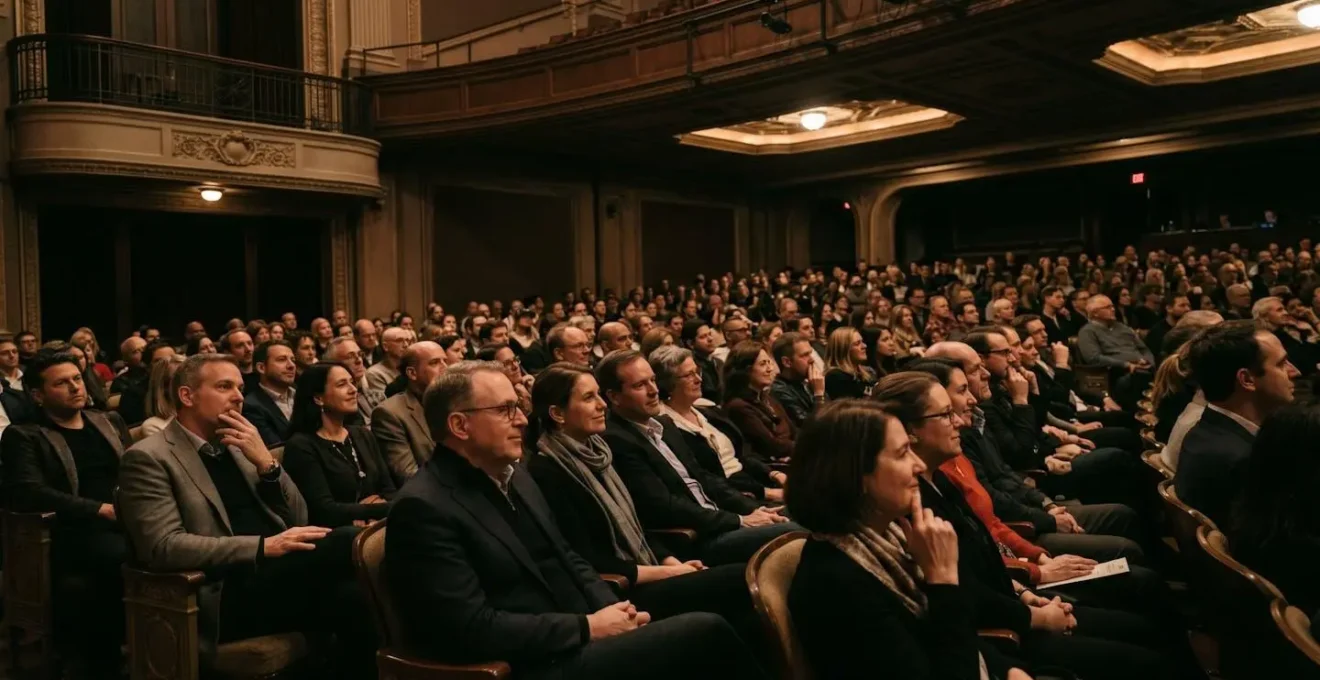
To avoid this pitfall, a discerning buyer must look beyond the show’s title and main promotional image. Read reviews specifically from child-free adults. Look for keywords in official descriptions like « for all ages » (a clear warning sign) versus « recommended for ages 18 and up » (a clear green light). Pay attention to the venue; a show at a casino theater is more likely to have an adult-centric tone than one at a theme park. Choosing the right show is about aligning the performer’s intent with your own, and understanding that « family-friendly » is a promise of safe, universal entertainment—the very opposite of the edgy, specific experience you’re likely seeking.
The Mistake of Thinking « Circus Theme » Means Kid-Friendly Amenities
In contemporary entertainment, the aesthetics of the circus have been co-opted for a very different purpose. The vibrant colors, acrobatic feats, and big-top atmosphere, once synonymous with family fun, are now frequently used as a backdrop for subversive, decadent, and distinctly adult productions. Shows like Absinthe in Las Vegas have pioneered this genre, using the circus theme as a visual style to frame raunchy humor, breathtakingly dangerous acts, and an intimate, cabaret-style atmosphere that is absolutely not intended for children.
Thinking « circus » automatically means « kid-friendly » is a critical error. The modern, adult-oriented circus serves as a visual language for the spectacular and the bizarre, not as a content rating. As one industry analysis points out, these productions use the theme to create a specific mood—often decadent or unsettling—rather than a family-friendly one. The front-of-house staff and atmospheric design are meticulously crafted to prepare audiences for a high-impact, mature experience.
Modern productions use circus aesthetics for subversive, adult entertainment. Venues emphasize mood-enhancing atmospherics and well-trained front-of-house staff to prepare audiences for impact. The circus theme serves as visual style, not content indicator—creating decadent or unsettling atmosphere rather than family-friendly experience.
– Audience Experience Review, ResearchGate
To avoid this common trap, a critic must ignore the surface-level theme and dig for concrete evidence of the show’s true nature. The following steps are essential:
- Check for an Explicit Age Rating: This is the most important step. An « 18+ » or « 21+ » rating on the ticket website overrides any and all circus imagery. It is a non-negotiable indicator of adult content.
- Analyze Promotional Photos for Audience Composition: Look at the crowd, not just the performers. Are the pictures filled with wide-eyed children or with couples and groups of adults laughing or looking shocked? The audience’s reaction is the most honest marketing material.
- Search for Keywords in Reviews: Go to third-party review sites and search for terms like « raunchy, » « not for kids, » « adult language, » or « explicit. » Unofficial reviews will provide the unvarnished truth about the show’s tone.
Key Takeaways
- A discerning choice of magic show requires a critic’s mindset, focusing on artistic integrity and venue synergy over generic reviews.
- Mentalism and close-up magic in intimate theaters offer a more sophisticated and impactful experience for adults than large-scale illusions in arenas.
- Dated acts can be identified by clichéd marketing, a lack of recent performance footage, and uninspired renditions of classic tricks.
Vegas Magic Performances: Why is This City the Global Capital of Illusion?
Las Vegas is to magic what Paris is to fine dining—it is the undisputed global capital, a unique ecosystem where the art of illusion is practiced at its highest and most spectacular level. This status is not accidental but the result of a perfect convergence of infrastructure, audience expectations, and immense economic investment. The city’s entertainment landscape provides a platform for magicians to mount productions of a scale and technical complexity that would be unsustainable almost anywhere else. These are not touring shows; they are permanent residencies in custom-built theaters, allowing for unparalleled stagecraft.
The economic figures alone tell a powerful story. According to Las Vegas entertainment industry data, show revenue in the city is massive, supporting legendary acts that perform hundreds of shows annually to millions of people. This financial engine allows for constant innovation and investment in new effects and technologies. However, the supply of world-class shows is only one side of the equation. The other is the relentless demand generated by the city’s tourism engine.
Las Vegas attracts a colossal, constantly renewing stream of visitors actively seeking spectacular, once-in-a-lifetime experiences. With total visitors to Las Vegas rising to 38.8 million in 2023, there is a sustainable market for a wide diversity of shows, from grand illusionists in massive arenas to masterful sleight-of-hand artists in intimate casino showrooms. This constant flow of new audiences means performers can perfect an act over thousands of performances, achieving a level of polish and precision rarely seen elsewhere. For the magic enthusiast, Las Vegas is not just a place to see a show; it’s a living laboratory for the art of illusion.