
In summary:
- Extreme dry heat creates « invisible dehydration » where sweat evaporates instantly, tricking your brain into thinking you’re fine.
- Surviving 110°F requires a strict hydration protocol—not just drinking water, but managing electrolytes to prevent a dangerous condition called hyponatremia.
- The greatest danger is often not direct sun but radiated heat from the ground and rocks, which can be 30°F+ hotter than the air.
- Safety is about proactive management: hiking only in the early morning, understanding the real signs of heat exhaustion, and packing non-obvious survival gear.
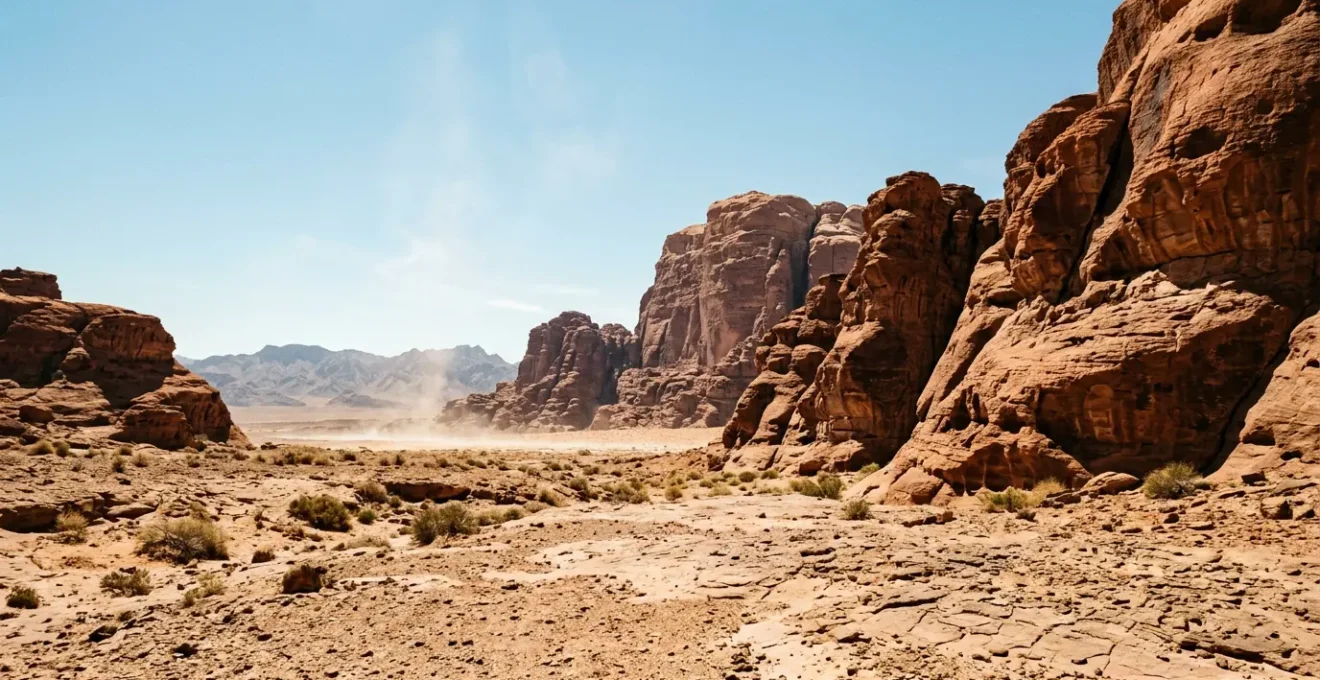
Stepping out into the Mojave Desert in summer feels like walking into an open-air furnace. The 110°F (43°C) dry heat is an immediate, physical presence. For visitors from cooler, more humid climates, the initial reaction is often one of awe, quickly followed by a dangerous underestimation. You’ve been in hot weather before, so you reach for the usual advice: wear a hat, apply sunscreen, and drink some water. While these are not wrong, they are dangerously incomplete for this environment. They are the platitudes that lead tourists to make critical, sometimes life-threatening, errors every single year.
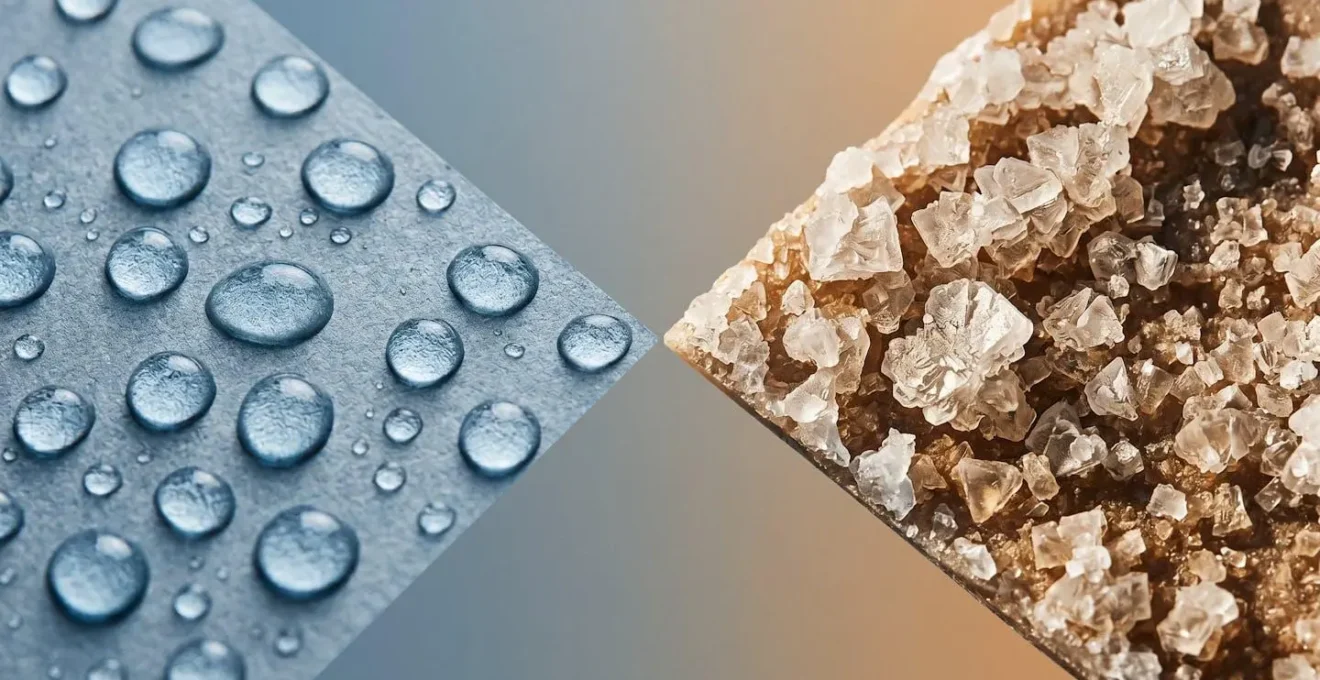
The core mistake is failing to understand the unique physiological load that extreme *dry* heat places on the body. This isn’t the sticky, sweaty heat you might be used to. Here, the danger is invisible. Your body works overtime to cool itself, but the bone-dry air evaporates your sweat so quickly that you never feel damp. Your brain, lacking the familiar signal of being « sweaty, » doesn’t register the emergency-level fluid loss until it’s dangerously late. By the time you feel thirsty, you are already significantly dehydrated.
But what if the key to survival and enjoyment wasn’t just about fighting the heat, but about understanding and respecting its physics? This guide moves beyond generic tips to provide a practical, instructor-led framework for managing the desert environment. We will break down the science of why you don’t feel yourself sweating, establish a professional-grade hydration protocol, analyze the real-world difference in shade, and identify the subtle signs of heat exhaustion most people ignore. We will also cover what to pack beyond « light fabrics » and how to safely experience the iconic red rocks without falling victim to their hidden thermal dangers. This is your plan to stay safe, feel good, and make your desert vacation memorable for all the right reasons.
This article provides a complete strategy for handling the desert’s extreme conditions. Below is a summary of the key topics we’ll cover to ensure you are fully prepared.
Summary: Handling Extreme Desert Heat
- Why You Don’t Feel Yourself Sweating Until It’s Too Late?
- How to Drink Water Like a Pro: The « One for One » Alcohol Rule?
- Cabana or Daybed: Which Offers Necessary Shade for Pale Skin?
- The Signs of Heat Exhaustion That Most Tourists Ignore
- What to Pack for July: Why « Light Fabrics » Aren’t Enough?
- The Dehydration Mistake That Sends 100s of Tourists to the ER Every Summer
- The Risk of Radiated Heat from the Red Rocks
- Red Rock Canyon: How to Hike the Desert Safely in the Morning?
Why You Don’t Feel Yourself Sweating Until It’s Too Late?
The single most dangerous misconception about desert heat is expecting to feel sweaty. In an environment with humidity levels often below 10%, your sweat evaporates the instant it reaches your skin. This is called evaporative cooling, and while it’s your body’s primary defense against overheating, it robs you of the most obvious sign of physical exertion and fluid loss. You feel dry, so your brain assumes you are not losing much water. This is a critical error in judgment. The reality is that you are losing fluids at an alarming rate. Under extreme conditions, adults can lose up to 1.5 liters of fluid per hour through sweat and respiration, even during light activity. This is what we call invisible dehydration.
This phenomenon creates a dangerous delay in your body’s warning system. Your natural thirst mechanism is not calibrated for this rapid, invisible loss. As medical experts consistently warn, thirst is a lagging indicator of your body’s needs in the desert.
The thirst mechanism lags dangerously behind the body’s actual fluid needs. By the time you feel thirsty, you are already well on your way to dehydration.
– Medical expert consensus, Batten Emergency desert survival guide
Because you don’t feel sweat and don’t feel thirsty, you continue your activities, pushing deeper into a deficit. This is why tourists who feel perfectly fine one moment can suddenly be hit with dizziness, nausea, and disorientation. They haven’t been ignoring the signs; the most obvious sign was never there. Understanding this is the first and most critical step in creating a desert survival mindset. You must hydrate based on a schedule, not on a feeling.
How to Drink Water Like a Pro: The « One for One » Alcohol Rule?
In the desert, drinking water isn’t a casual activity; it’s a non-negotiable procedure. A proper hydration protocol is your lifeline. The first rule is to start ahead. Pre-hydrate by drinking 16-20 ounces of water upon waking, before you even think about coffee or breakfast. You must begin your day with a full tank. Once you are active, the baseline rule is to consume about one liter of water for every hour of activity. For a full-day hike, this can easily mean carrying 6-8 liters (about two gallons) per person.
However, simply chugging water can lead to another deadly mistake: hyponatremia. When you sweat, you lose not just water but also critical salts, especially sodium. If you replace only the water, you dilute the sodium levels in your blood, a condition that can cause cells to swell, leading to headaches, confusion, seizures, and even death. The symptoms can tragically mimic those of dehydration. This is where electrolyte balance becomes crucial. For any activity longer than an hour, you must supplement your water with electrolytes. This can be through sports drinks, electrolyte powder packets, or salty snacks like pretzels and nuts.
And what about alcohol? The « one for one » rule is a bare minimum: for every alcoholic beverage you consume, you must drink at least one equivalent-sized glass of water. Alcohol is a diuretic, meaning it actively causes you to lose more fluid. In 110°F heat, its dehydrating effects are magnified exponentially. A better rule is to severely limit or avoid alcohol altogether, especially during daylight hours.
Cabana or Daybed: Which Offers Necessary Shade for Pale Skin?
Seeking shade seems like an obvious strategy, but not all shade is created equal. When the air temperature is 110°F, the ground is absorbing and re-radiating that energy. Concrete, stone, and asphalt can easily reach surface temperatures of 150°F (65°C) or more. This creates a radiated heat environment where heat isn’t just coming from the sun above but also rising from the ground below. This is a critical factor when choosing your poolside refuge, especially for those with fair skin unaccustomed to intense sun.
A low-slung daybed, while shaded by an umbrella, puts you in close proximity to this super-heated ground, surrounding you in a pocket of intensely hot air. A cabana, being a more structured and elevated space, offers better protection. It not only blocks direct sun but also provides a buffer from the ground’s radiated heat and often allows for better airflow. The quality of the shade material also matters. A thin fabric umbrella may only offer minimal UV protection, while a cabana with a solid or thickly woven roof provides a much more effective barrier.
The following table breaks down the key differences in protection, highlighting why simply being out of the direct sun is not enough to guarantee safety from the overall thermal load.
| Protection Factor | Cabana (Fabric Roof) | Solid Structure Shade | Low Daybed (Ground Level) |
|---|---|---|---|
| Direct Sun Blockage | Partial (UV penetration through fabric) | Total (solid barrier) | Partial to Total |
| Airflow Quality | Variable (can be stuffy if enclosed) | Good if open-sided | Poor (heat rises from ground) |
| Radiated Heat Exposure | Moderate (elevated from hot surfaces) | Low (typically elevated) | High (proximity to heated concrete/pavement) |
| Surface Temperature Impact | Pool deck radiates 150°F+ heat upward | Elevated position reduces impact | Ground-level = maximum exposure to radiated heat |
Ultimately, the best shade is one that removes you as much as possible from surfaces that absorb and radiate heat. Choose elevated seating and solid-roof structures whenever possible.
The Signs of Heat Exhaustion That Most Tourists Ignore
Heat-related illness is a serious and underestimated threat, with an average of about 650 people dying annually in the U.S. from heat-related causes. The progression from healthy to critically ill can be deceptive. Most tourists watch for dramatic signs like fainting or vomiting, but heat exhaustion begins with much more subtle symptoms. Because visitors from cooler climates aren’t accustomed to them, these early warnings are often dismissed as simple fatigue or the effects of a long travel day.
The first signs are often cognitive, not physical. You might experience irritability, a sudden bout of bad mood, or find it difficult to make simple decisions. This is often accompanied by a dull headache and a feeling of general weakness or « lethargy. » Another common early symptom is mild nausea or a loss of appetite. You might also notice that while your skin feels extremely hot to the touch, you may have stopped sweating—a sign your body’s cooling mechanism is beginning to fail. This is the crucial window to take action. Ignoring these signs allows heat exhaustion to progress to heat stroke, a life-threatening medical emergency.
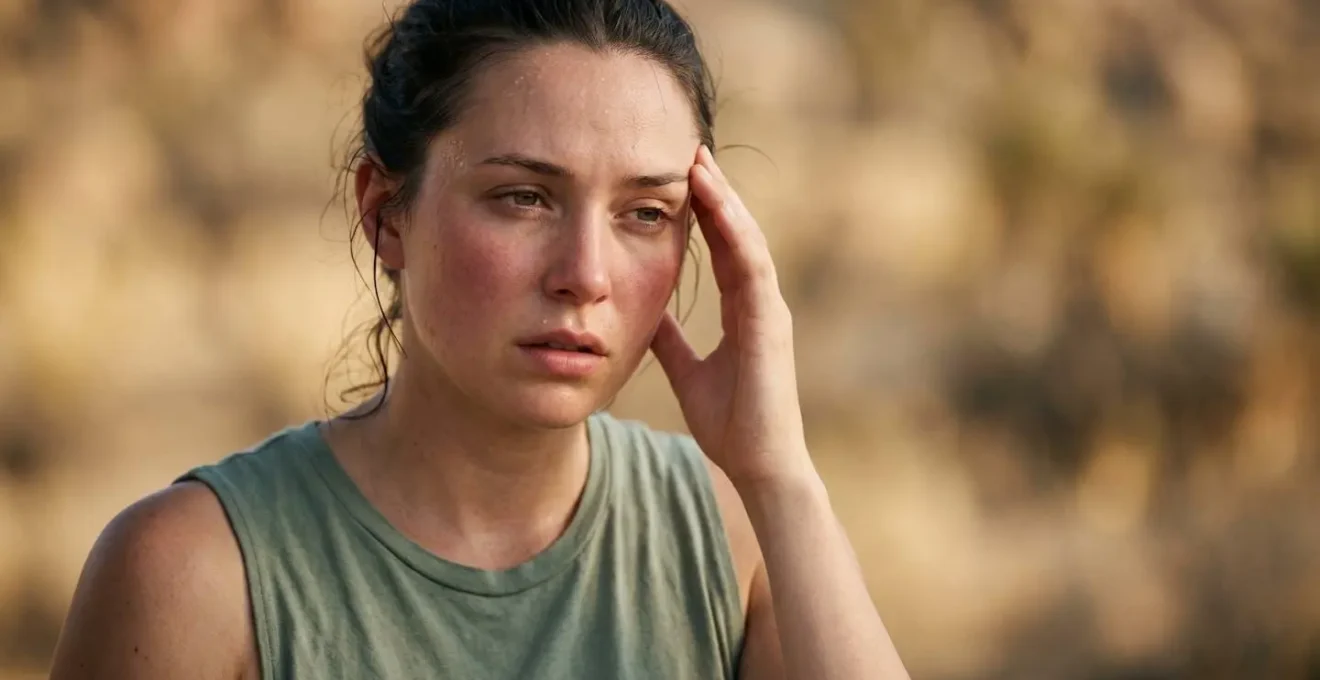
Pay close attention to these easily ignored indicators in yourself and your travel companions:
- Unexplained irritability or confusion.
- A persistent, throbbing headache.
- Dizziness or feeling light-headed, especially when standing up.
- Skin that is flushed and hot but feels dry.
- A feeling of « unsettledness » or mild nausea.
If you notice any of these, the protocol is immediate: get out of the heat, find a cool place, and start sipping water or an electrolyte drink slowly. Do not « tough it out. »
What to Pack for July: Why « Light Fabrics » Aren’t Enough?
The standard advice to pack « light, loose-fitting clothing » is a good start, but it’s fundamentally insufficient for the physiological demands of the Mojave in July. Your packing list needs to address the unique challenges of extreme dry heat, going beyond your wardrobe. The goal is to pack a « go-bag » of non-obvious essentials that manage the specific stresses this environment puts on your body and your gear. The most important items are not for comfort, but for survival.
Think about the effects of near-zero humidity. Your sinuses can become painfully dry, leading to nosebleeds and discomfort. Your eyes can feel gritty and sore. Therefore, saline nasal spray and lubricating eye drops are not luxuries; they are essential pieces of gear. Likewise, simply carrying a giant jug of water is not enough. You need a way to manage your electrolyte balance on the go. Low-sugar electrolyte powder packets are lightweight, easy to pack, and crucial for preventing hyponatremia when you’re consuming massive amounts of water.
Your gear also needs to be managed. A smartphone left on a car dashboard can overheat and shut down in minutes, leaving you without communication or navigation. Knowing how to keep your electronics cool is as important as keeping yourself cool. Your packing should reflect this comprehensive approach to managing the environment.
Your Desert Go-Bag Checklist: Non-Obvious Essentials
- Saline nasal spray: Combat the painful dryness of sub-5% humidity environments that affects sinuses.
- Lubricating eye drops: Prevent extreme eye dryness that can impact vision and overall comfort.
- Electrolyte powder packets: Carry low-sugar formulations to add to water, preventing hyponatremia from high-volume consumption.
- A wide-brimmed hat (not a baseball cap): Protect your ears and the back of your neck from constant UV exposure.
- UPF-rated long-sleeve shirt: A lightweight, sun-protective layer is often better than sunscreen alone, as sweat won’t diminish its effectiveness.
As confirmed by military personnel training in the region, a comprehensive heat plan involves preparing your gear as much as yourself. This includes items like cooling towels, emergency foil blankets for creating shade, and knowing how to manage your electronics to prevent thermal shutdown.
The Dehydration Mistake That Sends 100s of Tourists to the ER Every Summer
The most common mistake that lands visitors in the emergency room is a simple but critical failure of math: drastically underestimating the sheer volume of water required to stay hydrated. People from cooler climates are accustomed to drinking when thirsty and might pack a single bottle of water for a « short » morning hike, not realizing that in the desert, this amount can be depleted in less than an hour. They are operating on a hydration scale that is dangerously miscalibrated for the environment.
The consequences of this miscalculation are severe and rapid. People who feel fine at the start of a trail can find themselves dizzy, disoriented, and unable to walk just a few hours later, leading to costly and dangerous rescue operations.
Case Study: The Underestimated Hike
A 71-year-old man went missing while hiking in Indian Wells Canyon when temperatures were near 100°F. He was found by Border Patrol agents just hours later, taking cover under a bush, severely dehydrated, and physically unable to walk. A rough hydration calculation for his activity showed he would have needed over two gallons of water for the day in those conditions. Underestimating fluid needs, especially during what seems like moderate activity, is the primary error that leads to emergency situations in the desert.
This isn’t just anecdotal. Scientific studies back up these astonishing figures. For example, a U.S. Army study on desert operations found that even for easy hiking in 90°F heat, a person requires 8 quarts (7.6 liters) of water per day to maintain performance and avoid dehydration. As the temperature climbs to 110°F and beyond, that requirement increases even further. The mistake is thinking a standard 1-liter water bottle is sufficient for anything more than a brief walk from your car to a viewpoint.
Key takeaways
- Your body’s thirst mechanism is an unreliable gauge in the desert; hydrate on a strict schedule, not based on feeling.
- Heat comes from all directions, especially radiated from the ground. Quality shade is elevated and provides a physical barrier from super-heated surfaces.
- Early signs of heat exhaustion are often cognitive (irritability, confusion) and should be treated as an immediate emergency.
The Risk of Radiated Heat from the Red Rocks
One of the Mojave’s most alluring features—its stunning red rock formations—is also one of its most significant thermal dangers. The dark-colored sandstone is incredibly efficient at absorbing solar radiation and then re-radiating it as intense heat. This means that even if you are wearing a hat to block the sun from above, you are being « cooked » by the heat coming off the rocks around and below you. The air temperature in a narrow canyon can be significantly higher than the reported forecast for the area due to this « oven effect. »
Data from the Bureau of Land Management confirms this phenomenon. In the Mojave Desert, when official air temperatures are recorded, the surface of dark rocks can be substantially hotter. It’s not uncommon for rock surfaces to exceed 150°F when the air is 110°F. Placing an unprotected hand on these surfaces can cause contact burns, and sitting on them to rest can quickly lead to overheating. This radiated heat adds an enormous and often unexpected burden to your body’s physiological load.
To safely navigate this radiated heat environment, you must adopt a different set of rules:
- Never sit directly on unshaded rocks. Always place a pad, backpack, or thick cloth between you and the surface.
- Test surfaces before you touch them. What looks like a stable handhold could be hot enough to burn.
- Hike in the very early morning. Be off the trails before the rocks have had hours to absorb and begin radiating the day’s peak heat.
- Understand the canyon oven effect. The narrower the canyon, the more you are exposed to radiated heat from all sides, creating temperatures far exceeding those in open areas.
Ignoring radiated heat is like standing in an oven and only worrying about the broiler. It’s a fundamental misunderstanding of the total thermal environment.
Red Rock Canyon: How to Hike the Desert Safely in the Morning?
Hiking in the desert during summer is possible, but it requires military-like discipline. The phrase « go in the morning » is often misinterpreted by tourists. It does not mean starting your hike at 9 or 10 AM. It means you should be back at your car and in the air conditioning by that time. You must plan your hike backward from a non-negotiable finish time. As the Red Rock Canyon National Conservation Area officially advises, all strenuous outdoor activities should be limited to the hours before 10 AM.
One of the most critical life-saving rules for desert hiking is the 50% Water Turn-Around Rule. This is absolute. The moment you have consumed half of your water supply, your hike is over. You must turn around and head back to the trailhead, regardless of whether you have reached your destination. This guarantees you have enough water for the return journey, which is often just as strenuous. Do not be tempted to push on just a little further; that is how rescues happen.
Finally, communication is paramount. Cell service is notoriously unreliable in canyon areas. Before you leave, you must tell someone not on the hike your exact trail plan and a « panic time »—a specific time by which, if they have not heard from you, they are to call for help. For more serious hikes, carrying a satellite messenger or personal locator beacon is a wise investment. The official safety guidelines from the park are clear about bringing more water than you think you need (at least 1 liter per hour) and resting often in any available shade.
Your desert adventure awaits. Use this knowledge not as a list of restrictive rules, but as a professional mindset for proactively managing your safety. By respecting the environment’s physics and your body’s limits, you can ensure your trip is memorable for its stunning beauty, not for a medical emergency.