
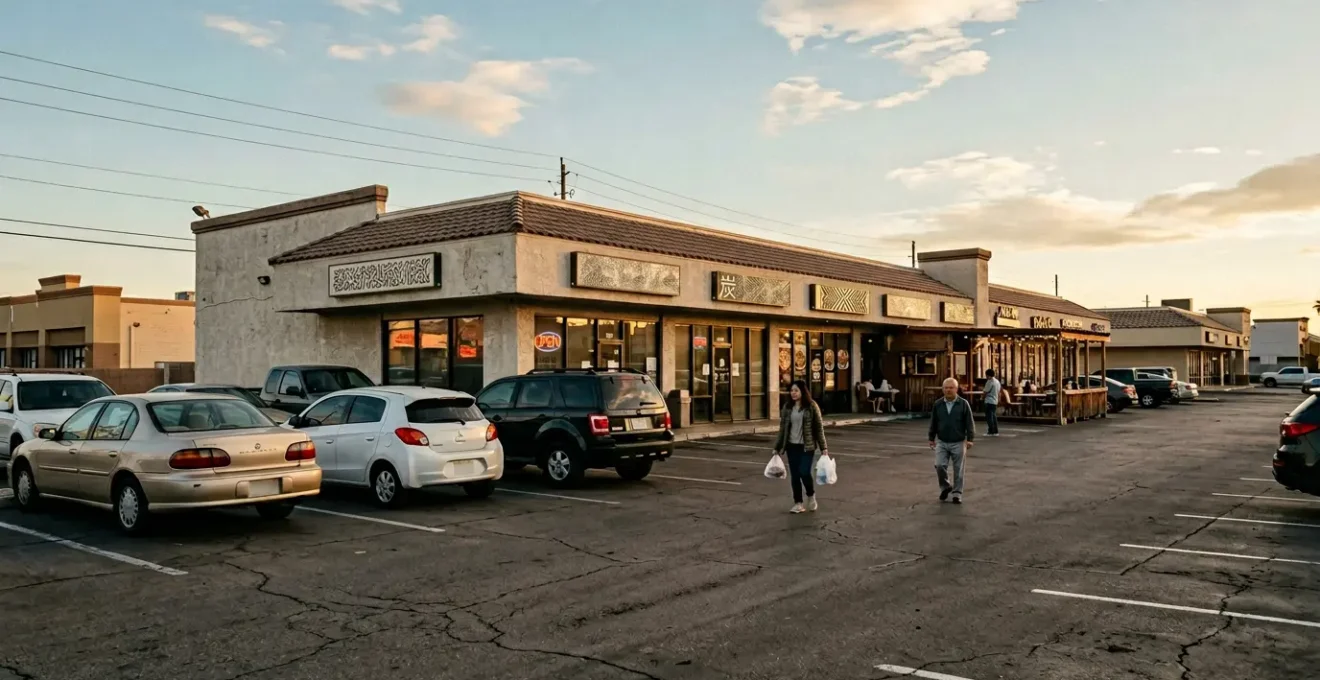
Eating authentically in Las Vegas means trading Strip glamour for a strategic culinary mission in Chinatown, where the real value and flavor are found.
- The best Asian food in the U.S. is concentrated in unassuming strip malls just miles from the Strip, offering superior flavor at a fraction of the cost.
- Success requires a plan: a rental car for a « food crawl, » knowledge of peak hours, and insider techniques for ordering unlisted dishes.
Recommendation: Treat your off-Strip exploration not as a casual meal, but as a planned adventure. The reward is a dining experience that no celebrity chef’s restaurant can replicate.
For the discerning foodie, Las Vegas presents a dazzling paradox. The Strip glitters with the names of world-renowned celebrity chefs, promising culinary perfection at a breathtaking price. Yet, after a few of these high-gloss, high-cost meals, a certain fatigue sets in. The quest for genuine flavor, for a meal that speaks of tradition and passion rather than branding and overhead, begins to feel urgent. You start to wonder: where do the locals, the chefs, the real food lovers eat? The answer lies just a few miles away, but it’s a world apart. It’s not a place you just stumble upon; it’s a destination that requires a plan.
This isn’t just about finding cheaper food. It’s about undertaking a culinary mission. The conventional advice is to simply « go to Chinatown, » but this guide rejects such a platitude. The true key to unlocking Las Vegas’s authentic food scene is not just knowing *where* to go, but *how* to operate once you get there. It involves a strategic shift in mindset—trading the passive experience of a Strip reservation for the active role of a culinary explorer. We’ll equip you with an insider’s playbook, covering logistics, safety, timing, and even how to order dishes that aren’t on the menu. This is your blueprint for eating like you belong here.
This guide will walk you through the essential strategies for a successful off-Strip food adventure. We will explore why Chinatown is a culinary epicenter, how to navigate it effectively, and what critical safety mistakes to avoid. Prepare to discover the authentic taste of Las Vegas.
Summary: Your Mission to Eat Like a Local in Las Vegas’s Chinatown
- Why the Best Asian Food in America is in a Strip Mall 2 Miles West?
- How to Use Turo for a 24-Hour « Food Crawl » Rental?
- Strip Glamour vs. Off-Strip Authenticity: Which Dining Experience Do You Crave?
- The Mistake of Walking to « Nearby » Off-Strip Joints at Night
- When to Visit Popular Off-Strip Spots to Avoid the Local Rush?
- The Safety Mistake of Wandering East of Fremont East Entertainment District
- How to Order Off-Menu at Spring Mountain Road’s Best Spots?
- International Cuisines: How to Find Authentic Asian Food on the Strip?
Why the Best Asian Food in America is in a Strip Mall 2 Miles West?
The idea that America’s best Asian cuisine resides in a sprawling, unassuming collection of strip malls in Las Vegas might seem counterintuitive, but it’s a truth celebrated by the culinary world’s elite. This isn’t an accident; it’s a result of a perfect storm of factors. Lower overheads compared to the Strip allow chefs to focus on quality ingredients and traditional techniques rather than opulent decor. This environment has created a dense, hyper-competitive ecosystem where only the most authentic and delicious survive. It’s a place built for locals and industry workers, where flavor is the only currency that matters.
The sheer density is staggering. The Las Vegas Chinatown corridor is home to a documented 248 restaurants, creating a vibrant tapestry of regional Chinese, Vietnamese, Japanese, and Korean cuisines. This concentration of talent has attracted national attention. In a powerful endorsement, Momofuku founder David Chang, one of the most influential chefs of our time, made a bold declaration. According to Las Vegas Review-Journal coverage of his 2024 statement, he proclaimed that the best Chinese food in the United States is now in Las Vegas, specifically in this off-Strip haven.
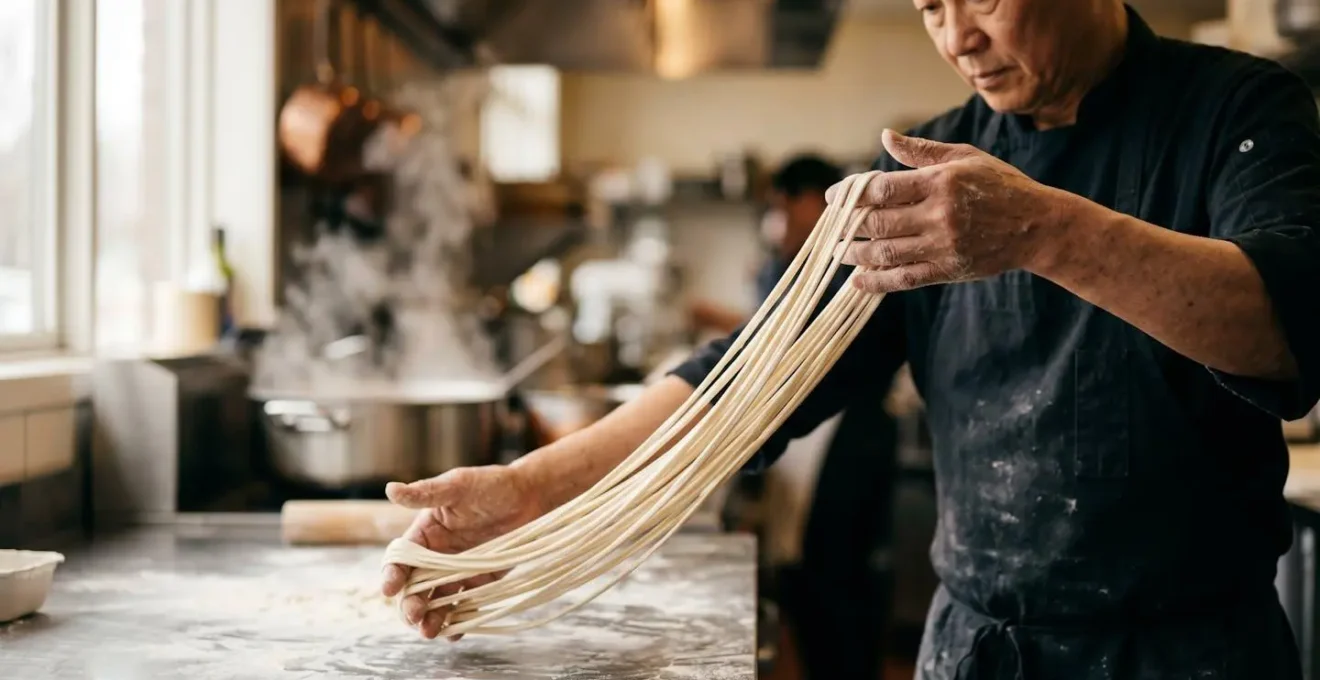
This is where you find the culinary craftsmanship that gets lost in the spectacle of the Strip. It’s in the hands of a chef pulling noodles, the steam rising from a perfectly pleated dumpling, or the intense heat of a robata grill. It is a world where the focus is entirely on the plate, offering a depth of authenticity that simply can’t be replicated in a casino resort. This is not just dining; it’s a direct connection to a culinary culture.
How to Use Turo for a 24-Hour « Food Crawl » Rental?
The first rule of any successful off-Strip culinary mission is accepting a fundamental truth: Las Vegas is not a walking city. The distance between culinary hotspots in Chinatown is greater than it appears, and public transit can be slow. To maximize your time and access the best spots, you need your own vehicle. This is where a strategic rental becomes the most critical part of your playbook. Services like Turo are ideal for this, offering the flexibility for a 24-hour « food crawl » without the commitment of a multi-day rental.
Instead of a traditional rental car agency, Turo allows you to rent a car directly from a local owner, often with convenient hotel delivery. You can secure an economy car for a full day, giving you the freedom to hop from a dim sum breakfast to a late-night noodle house. This approach transforms your exploration from a logistical challenge into a seamless adventure. The cost is often comparable to a couple of round-trip rideshare fares, but the control and flexibility it provides are priceless for a serious foodie.
Your action plan: Booking a Turo for your food crawl
- Account Setup: Create a Turo account on their website or app, providing your driver’s license and payment details for verification.
- Vehicle Search: Search for vehicles near your hotel on the Strip. Filter by an affordable price range (e.g., $40-$80/day) to find practical economy cars.
- Delivery & Pickup: Select the « deliver to me » option for maximum convenience, having the car brought directly to your hotel’s valet.
- Booking Confirmation: Book your chosen vehicle for a 24-hour period, ensuring the insurance plan is adequate, and confirm pickup logistics with the host.
With transportation secured, you are no longer a tourist at the mercy of taxi stands and surge pricing. You are now the commander of your own culinary expedition, with the power to chase down any recommendation, at any time, across the entire delicious landscape of Spring Mountain Road.
Strip Glamour vs. Off-Strip Authenticity: Which Dining Experience Do You Crave?
The choice between eating on the Strip and venturing into Chinatown is more than a matter of geography; it’s a decision about the very nature of the dining experience you seek. The Strip offers a world of polished, high-production glamour. It’s an environment of Michelin-starred chefs, theatrical presentations, and seamless integration into the fantasy world of a luxury resort. It’s an impressive, often delicious, but highly curated experience where the bill reflects the rent as much as the recipe.
Off-Strip, particularly in Chinatown, is the antithesis. The experience is defined by a raw, unpretentious, and powerful authenticity. Here, the focus is inverted: the food is the star, and the environment is merely the stage. You’ll find James Beard-nominated chefs operating out of humble strip mall locations, their genius expressed not in lavish decor but in the profound flavor of a perfectly executed traditional dish. It’s a world of family-run businesses, digital waitlists on a packed Saturday night, and menus that cater to the post-shift casino workers who know where to find real food at 2 AM.
This table breaks down the fundamental differences, helping you decide which experience aligns with your « culinary mission. » This isn’t about which is « better, » but about understanding the trade-offs. The data highlights a clear distinction, as shown in this comparative analysis of Vegas dining.
| Factor | Strip Dining | Off-Strip Chinatown |
|---|---|---|
| Average Meal Cost | $50-$150+ per person | $20-$50 per person |
| Ambiance | Polished, celebrity chef-driven, resort-integrated | No-frills strip malls, authentic local atmosphere |
| Chef Profile | Michelin-starred, globally renowned (e.g., José Andrés, Tetsuya Wakuda) | Family-run, James Beard nominees (e.g., Raku, Shanghai Taste) |
| Reservation Needed | Often required, especially peak hours | Walk-ins common, digital waitlists for popular spots |
| Food Focus | World-class execution, premium ingredients | Traditional recipes, culinary authenticity |
| Distance from Strip | On-site at casino resorts | 5-10 minute drive (2-4 miles west) |
| Open Hours | Typically until midnight | Many open until 2-3 AM for post-shift workers |
Ultimately, the question is what you value more: the refined spectacle of the Strip or the vibrant, flavorful heart of local Las Vegas. One is a flawless performance; the other is an interactive, and arguably more memorable, adventure.
The Mistake of Walking to « Nearby » Off-Strip Joints at Night
One of the most dangerous assumptions a visitor can make is that « nearby » on a map translates to a safe or pleasant walk, especially at night. Las Vegas is a city built for cars, with wide, fast-moving arterial roads and vast parking lots separating commercial plazas. The infrastructure is not designed for pedestrian travel between destinations. Attempting to walk from one strip mall to another across a major road like Spring Mountain or Decatur is not just inconvenient; it’s a significant safety risk.
The statistics paint a sobering picture. Poor lighting, long crosswalks, and drivers unaccustomed to pedestrians create a hazardous environment. A report on Nevada’s traffic safety laws starkly highlights the dangers of pedestrian travel in Las Vegas, noting the high number of incidents in Clark County. This isn’t about being paranoid; it’s about exercising the « geographic discipline » of a local. Locals simply do not walk between these plazas at night. They drive, or they use a rideshare, even for a trip that seems just a few hundred yards away.
To ensure your culinary mission is safe and successful, you must adopt a strict hierarchy for getting around. Walking is the absolute last resort, reserved only for trips within a single, well-lit shopping center. Your playbook should prioritize safety and efficiency above all else.
- Priority 1: Rideshare/Taxi – The safest and most direct method, providing door-to-door service that eliminates exposure to traffic and poorly lit areas.
- Priority 2: Rental Car – Offers the best flexibility for a multi-stop food crawl, with ample and generally safe parking at the plazas.
- Priority 3: RTC Bus System – A viable option, as Route 203 serves Spring Mountain Road, but be aware of limited service hours late at night.
- Priority 4: Walking – Only to be done within a single, continuous, and brightly lit plaza. Never attempt to cross major roads on foot at night.
Ignoring this advice is the quickest way to turn a food adventure into a dangerous ordeal. The flavor you seek is worth the journey, but only if that journey is made smartly and safely. The cost of a 5-minute Uber is negligible compared to the risk of a pedestrian accident.
When to Visit Popular Off-Strip Spots to Avoid the Local Rush?
Part of the insider’s playbook is not just knowing where to go, but when. Off-Strip institutions are beloved by locals, which means they have predictable rush hours you’ll want to avoid. Showing up at noon on a Saturday or 7 PM on a Friday will likely land you in a long queue, diminishing your ability to execute a multi-stop food crawl. The key is to think like a local and eat at off-peak times.
A classic example is the dim sum rush. A case study of New Asian BBQ, a popular spot on Spring Mountain, shows that arriving before 11 AM is crucial to avoid the crowds. By 11:30 AM on a weekday, waits can already stretch to 20 minutes. The peak lunch (11 AM – 2 PM) and dinner (6 PM – 8 PM) windows are when these places are at their most frenetic. The strategic move is to aim for the shoulder hours: a late lunch around 2:30 PM or an early dinner before 6 PM. This not only saves you time but often leads to a more relaxed experience where staff might have a moment to chat.
However, the real secret weapon for avoiding crowds is embracing Las Vegas’s identity as a 24/7 city. Many Chinatown restaurants stay open exceptionally late to cater to casino and hospitality workers getting off their shifts. This creates a unique opportunity for what locals call « second dinner. » Visiting a popular noodle or barbecue spot after 10 PM can be a magical experience. The crowds have thinned, the energy is different, and you’re dining alongside the city’s industry insiders. In fact, the area’s reputation for late-night dining until 3 AM has made it the go-to destination for off-the-clock chefs, which is the ultimate endorsement. Dining late is perhaps the most authentic way to experience Chinatown.
The Safety Mistake of Wandering East of Fremont East Entertainment District
While your culinary mission might focus on Chinatown, many visitors also explore the Fremont Street area downtown. Here, too, « geographic discipline » is crucial. The Fremont East Entertainment District is a vibrant, curated zone designed for tourists, stretching roughly from Las Vegas Boulevard to the El Cortez Hotel. It is well-lit, has a visible security presence, and is packed with bars and restaurants. However, a common and serious mistake is to assume this safe pedestrian zone continues indefinitely eastward.
Once you walk past the boundary marked by landmarks like the Container Park, the environment changes abruptly. The density of businesses drops, lighting becomes sparse, and pedestrian traffic vanishes. As travel safety experts point out, this area is largely residential and industrial, with few to no attractions or services catering to the public. It is not an area designed or policed for tourist foot traffic. Wandering into these neighborhoods, especially at night, can put you in a vulnerable position.
The key is to know your boundaries and stay within the « curated zone. » If you have a specific destination in mind further east—a particular local bar or gallery—do not attempt to walk there. Book a rideshare or taxi directly to the address. Your exploration of Fremont East should adhere to these simple guidelines:
- Know the Boundary: The safe, walkable entertainment district effectively ends around 8th Street, near the El Cortez.
- Use Direct Transportation: For any destination east of this boundary, use a car or rideshare. Do not walk through the transitional areas.
- Stay in the Curated Zone: For casual strolling, stick to the main Fremont East corridor, which is designed for pedestrian safety and entertainment.
- Observe Visual Cues: When you see the landscape shift from bustling venues to vacant lots or industrial buildings, you have left the safe zone. It’s time to turn back.
This isn’t meant to discourage exploration, but to ensure it’s done intelligently. Downtown Las Vegas has clear, albeit invisible, lines between tourist areas and local/industrial zones. Respecting them is essential for a safe visit.
How to Order Off-Menu at Spring Mountain Road’s Best Spots?
The final level of your culinary mission—the one that truly separates a tourist from an insider—is learning how to access the food that isn’t on the English menu. Many of Chinatown’s most authentic restaurants have dishes, specials, and preparations reserved for regulars and native speakers. Unlocking this « secret menu » isn’t about a password; it’s about using the right strategies and observation skills.
One of the most powerful tools in your arsenal is your smartphone. At many spots, the most interesting dishes are listed only on handwritten signs on the wall, in Chinese. Using an app like Google Lens to get a live translation can reveal a whole world of possibilities, from seasonal clay pot stews to specific offal preparations. Another technique is to engage the staff strategically. Instead of the generic « Do you have a secret menu? », try asking a more open-ended question like, « What are you excited about on the menu today? » or « What would you be eating? » This invites a genuine conversation rather than a rehearsed ‘no’.
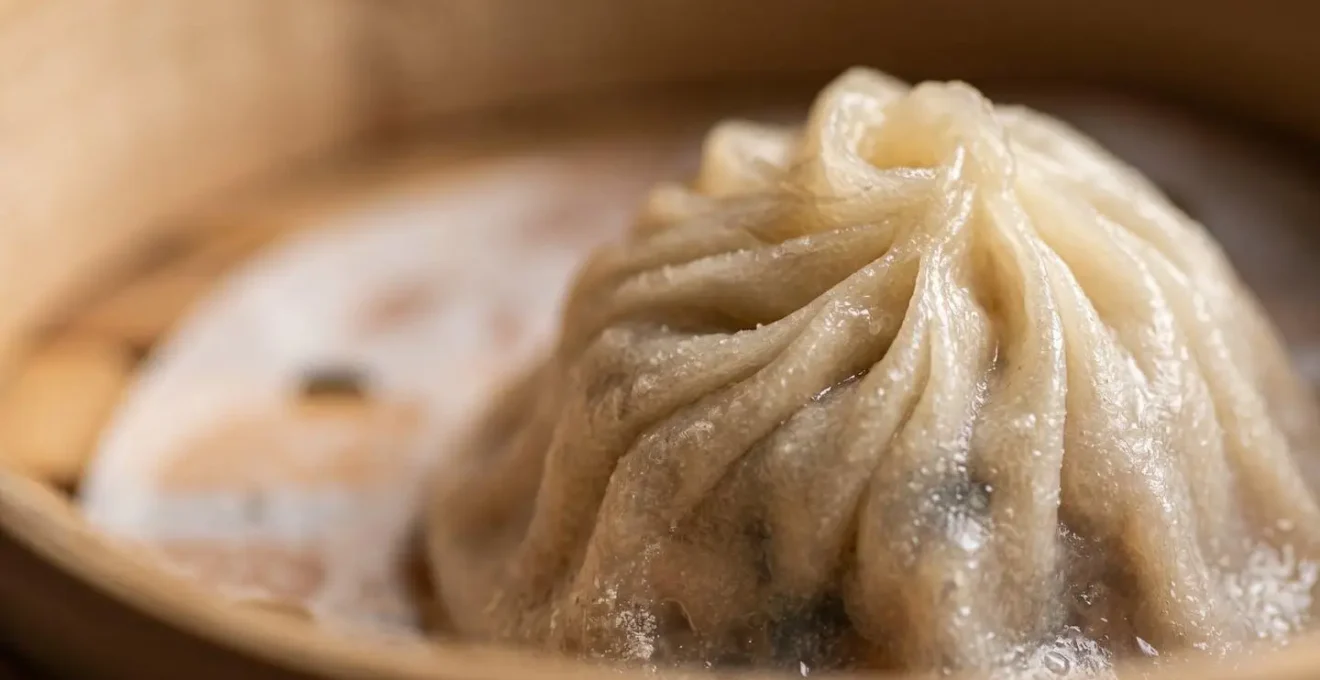
Observation is just as critical. Pay attention to what the tables of regulars are eating. If you see a stunning, unfamiliar dish go by, don’t be shy. A polite, « Excuse me, what is that? It looks amazing! » directed to a server can often lead you to the best thing the kitchen is making that day. At barbecue shops with roast meats hanging in the window, the most traditional way to order is to simply point at the duck or pork belly you want and indicate the quantity. These strategies transform you from a passive consumer into an active participant in your dining experience.
Key takeaways
- The true culinary heart of Las Vegas lies in Chinatown’s strip malls, not on the Strip, offering superior authenticity and value.
- A successful off-Strip food crawl is a « culinary mission » that requires strategic planning, including a rental car and knowledge of safe transit.
- To eat like a local, you must dine at off-peak hours or late at night and learn insider techniques to discover dishes not on the English menu.
International Cuisines: How to Find Authentic Asian Food on the Strip?
After immersing yourself in the raw authenticity of Chinatown, the question arises: can you find « authentic » Asian food on the Strip? The answer is yes, but it’s a different kind of authenticity. The Strip’s model is not to replicate a local, family-run eatery, but to import a globally recognized, world-class brand and execute its vision flawlessly within a luxury resort context. This is authenticity as a premium, branded experience.
The perfect case study is Din Tai Fung at the Aria resort. This is not an imitation; it is the real, globally acclaimed Taiwanese brand, famous for its meticulously crafted xiaolongbao (soup dumplings). The chefs are trained in the same painstaking techniques as those in Taipei, and they use premium ingredients to create the signature dish that earned them a Michelin star. The experience is undeniably authentic in its culinary execution. However, the context is pure Las Vegas Strip: a polished, elegant dining room, a sophisticated reservation system, and prices that reflect its prime real-estate location.
This highlights the core distinction in the « Authenticity Matrix. » On the Strip, you pay for authentic *technique* and *brand* within a luxurious, convenient setting. In Chinatown, you pay for authentic *culture* and *experience* in a no-frills environment. Neither is inherently better, but they serve entirely different cravings. If your goal is to have a world-class soup dumpling in an elegant setting before a show, the Strip delivers. If your goal is to discover a hidden gem and feel like you’ve been let in on a local secret, your mission lies on Spring Mountain Road.
Your culinary mission is now clear. You have the playbook, the strategies, and the mindset to venture beyond the Strip’s glittering facade. The next step is to start planning your adventure and discover the flavors that most visitors will never know. Begin mapping your food crawl today.